

Why does my mix sound flat? Almost always because of the same three things: nothing moves in the stereo field, the reverb blurs the mix instead of opening it up, or the delays feel mechanical instead of musical. Fix those three and most mixes gain real depth without touching another EQ band.
You have EQ'd every track, balanced the levels, maybe even automated a reverb tail here and there. Still, something is missing: that sense of depth, movement and life a finished record has. That is rarely a levels problem. It is usually a stereo, space and motion problem, and it responds better to the right effect than to more EQ.
1. Everything sits dead center
Even when you pan elements left and right, the mix can still feel stuck in the middle, with no sense of width or movement between speakers. That happens when every sound is static: same position, same tone, all the way through the track.
How to fix it
- Pick a handful of static elements (pads, held vocals, sustained synths) and add subtle modulation instead of more panning.
- Use a slow modulation rate so the movement stays under the radar - the goal is motion you feel, not a phaser sweep you notice.
- Start conservative: a light dry/wet mix is usually enough to make a sound feel like it is breathing instead of just playing.
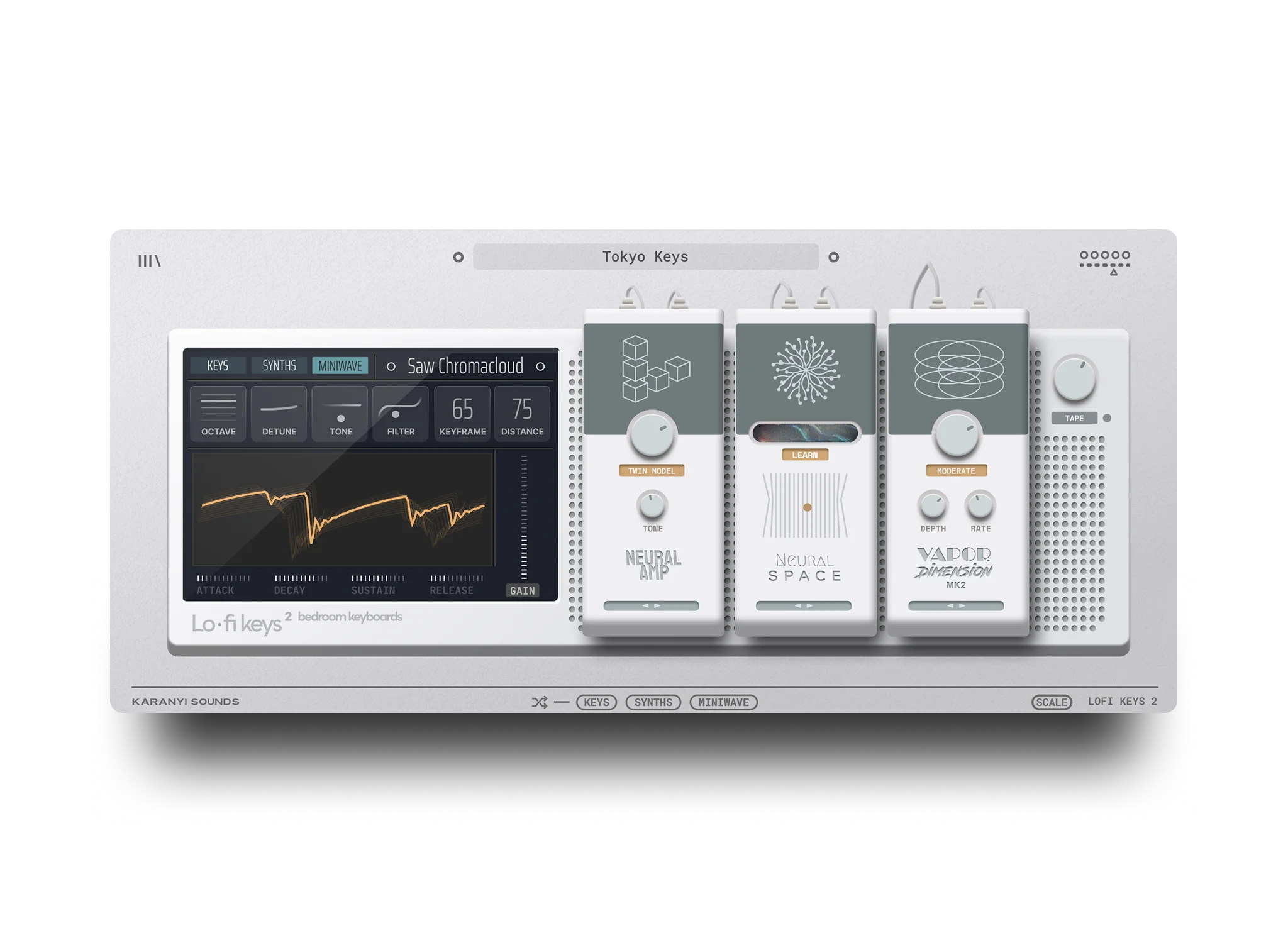
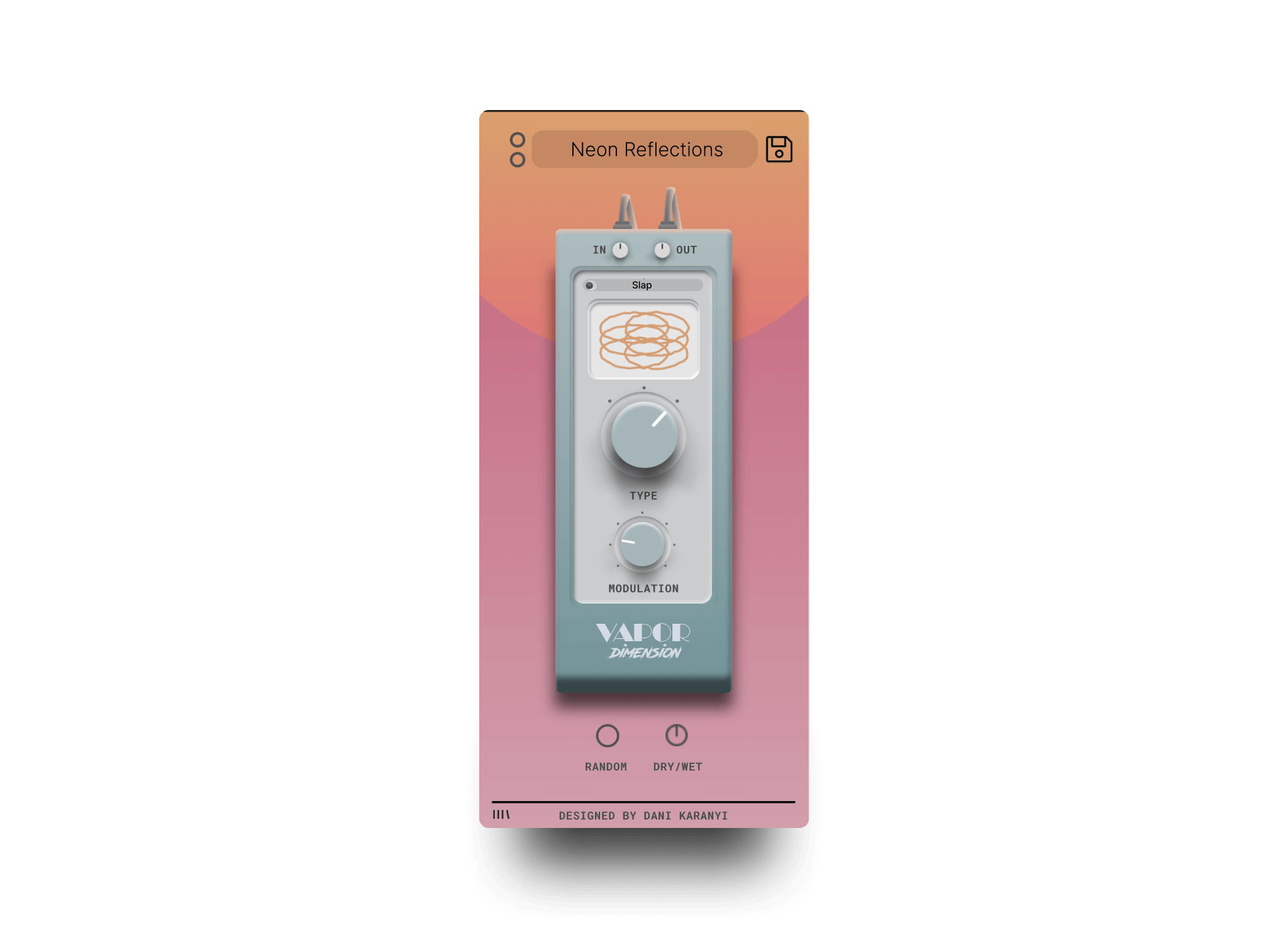
Vapor Dimension is built for exactly this: a modulation effect that adds warm phasing and chorus movement inspired by classic hardware, through simple controls. It is a good fit for pads, vocals and synth layers where you want width and motion without reaching for automation.
2. Reverb washes out the mix instead of opening it up
Reverb is supposed to add depth, but a generic algorithmic reverb often just buries sounds under a blurry, unfocused wash. You end up with distance instead of depth, and the mix loses clarity instead of gaining space.
How to fix it
- Reach for a texture or granular-based space effect instead of a standard hall or plate reverb when you want atmosphere without mud.
- Insert it after the dry signal you want to expand, not as a send that touches the whole mix.
- Keep the wet level low, roughly in the 5-15% range, so it adds air rather than a visible layer of reverb.
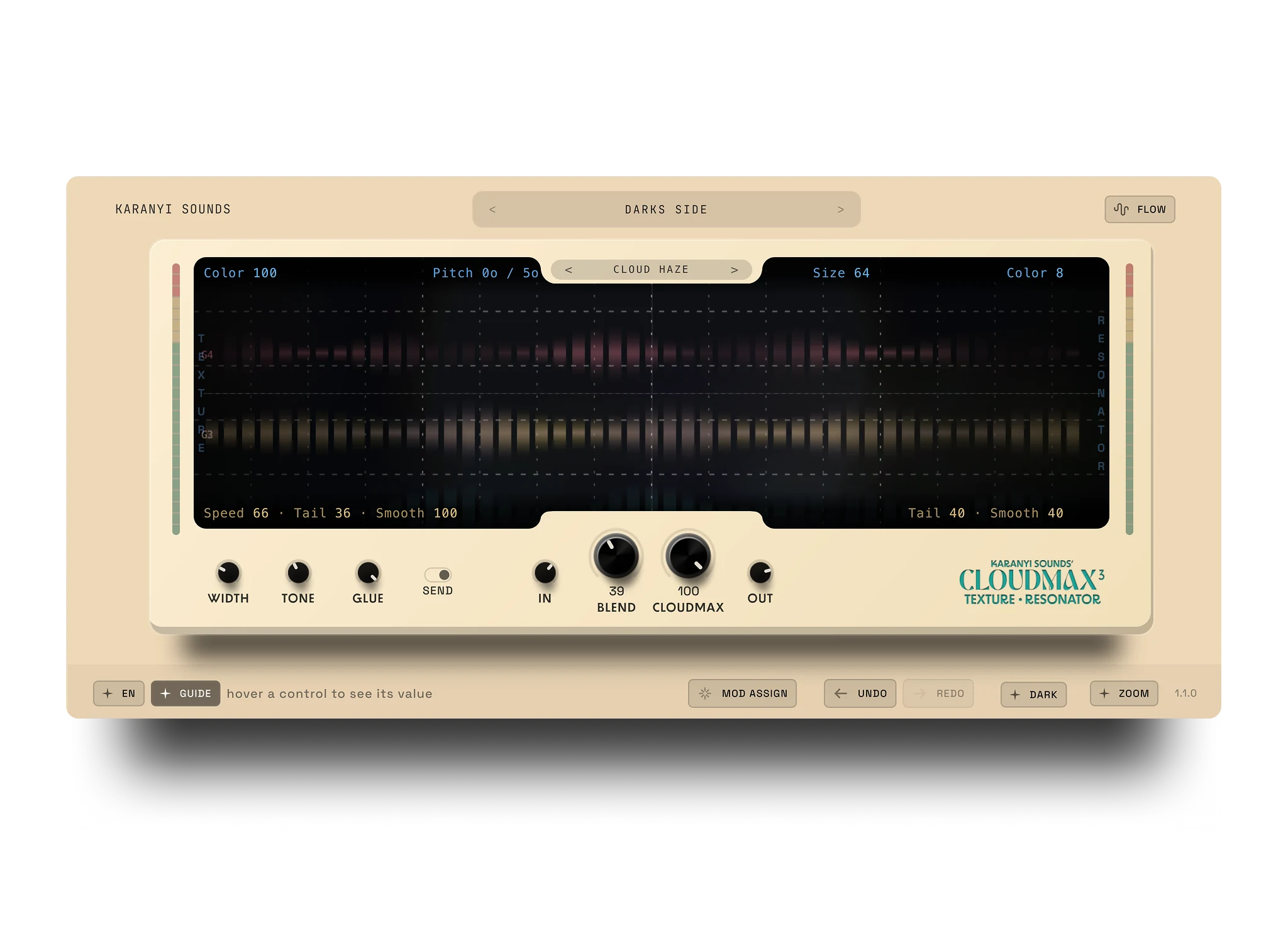
Cloudmax 3 combines a granular engine with delay and reverb-style FX, which is why producers use it as an alternative to conventional ambient reverb plugins: it builds space through grains and diffusion rather than a dense reverb tail, so it wraps around a sound instead of drowning it. That makes it a solid choice for synth leads, minimal drums and vocals where you want open space without losing definition.
Depth is not only about effects, either. Clearing frequency space matters just as much: if you have not already, our guide on how to make space in your mix without overusing EQ covers the other half of this problem.
3. Delay sounds mechanical or too obvious
A standard tempo-synced delay is great for rhythmic effects, but it can make a mix feel predictable and mechanical instead of adding organic thickness. You want the repeats to feel like part of the sound, not a separate layer bolted on top.
How to fix it
- Use a delay with more than one engine and some built-in coloration rather than a single clean tap.
- Keep feedback moderate so the repeats thicken the sound instead of turning into an obvious rhythmic pattern.
- Lean on saturation or filtering in the feedback path to make the tail feel warmer and less like a digital echo.
Matra is a dual-engine delay inspired by analog hardware, with resonant filters, distortion units and a "Wash" control that blends reverb and grain effects into the repeats. That combination is what makes it useful for musical thickening rather than obvious echo - on vocals, synths, pads and even snares when you want depth without the delay announcing itself.
Final thoughts
When a mix feels flat, it is rarely just about EQ or level balancing. It is usually about movement, space and texture: the sense that something inside the sound is alive. Stacking more plugins is not the answer. Using a few tools built specifically to add motion, space and character, in the right amount, usually is.
FAQ
Why does my mix sound flat even after EQ and leveling?
Because flatness is usually a stereo and space problem, not a frequency problem. If nothing moves in the stereo field and the reverb or delay is not adding real depth, the mix can be perfectly balanced and still feel lifeless.
What is the fastest way to add depth without more automation?
Add subtle modulation to a few static elements and swap a generic reverb for one built around texture or granular diffusion. Both add a sense of motion and space instantly, without needing new automation lanes.
Should I use reverb or delay to create depth?
Use both, for different jobs. Reverb creates a sense of space and distance; delay adds rhythmic thickness and repeats. A mix usually needs a little of each, not more of one to compensate for the other.
How much dry/wet is too much for an ambience effect?
If you can point to exactly what the effect is doing, it is probably too much. For subtle depth, keep modulation and reverb-style effects low in the mix, often in the 5-30% range depending on the effect, and judge by ear with the effect bypassed.
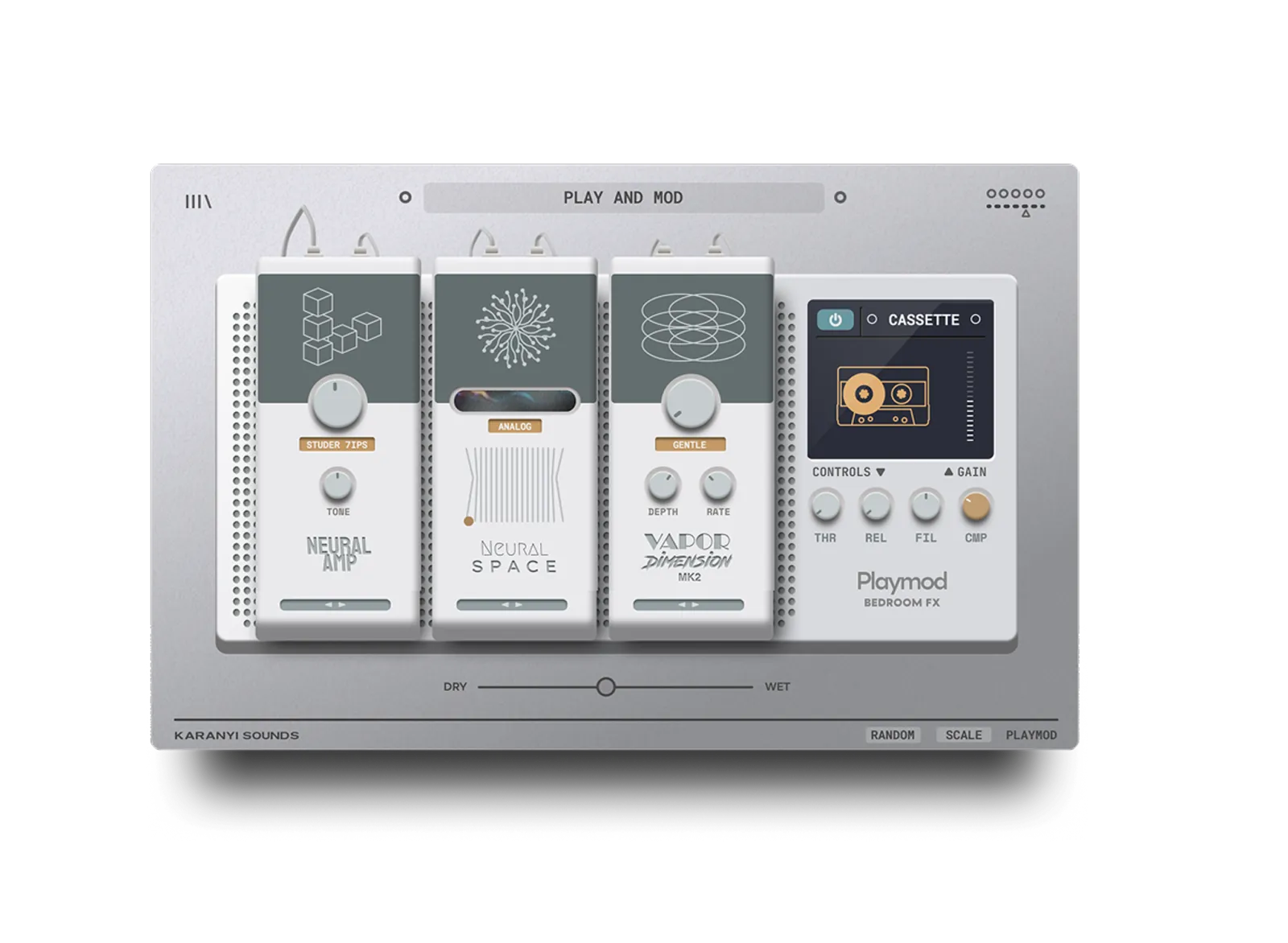
Ready to fix the depth problem instead of chasing it with more EQ? See the full Complete FX Suite for the modulation, granular and delay tools in this article.



Leave a comment
This site is protected by hCaptcha and the hCaptcha Privacy Policy and Terms of Service apply.