
The fastest way to add analog warmth to a digital track is a tape saturation plugin, such as Universal Audio's Studer A800, paired with an analog-modeled EQ or preamp like Waves' Scheps 73. From there, real vintage character comes from layering several small things: a touch of noise, some modulation, tape-style pitch wobble, and enough headroom to let peaks breathe.
Here are 11 practical techniques for bringing that warmth into your digital productions.
1. Tape Saturation and Emulation Plugins
Analog tape recorders added natural compression and harmonic distortion, which is a large part of what makes vintage recordings sound warm. Tape saturation plugins model those characteristics: they add subtle distortion and compression, and let you fine-tune the effect with controls like tape speed, bias, and tape type.
Product tip: Studer A800 Multichannel Tape Recorder by Universal Audio, an emulation of the specific A800 machine at Ocean Way Studios, with 4 tape types plus noise, EQ, and bias controls for shaping the saturation.
2. Analog-Modeled Equalizers and Compressors
Plugins modeled after vintage analog EQs and compressors introduce the nonlinearities and coloration inherent in classic hardware. These tools often have unique frequency responses and dynamic behavior that add a more organic feel to a mix.
Product tip: Scheps 73 by Waves, a 3-band EQ and preamp modeled on the Neve 1073 console module, including transformer-driven saturation when you push the preamp.
3. Incorporate Analog-Style Noise and Imperfections
Introducing subtle vinyl crackle, tape hiss, or electrical hum can add authenticity to a digital production. These imperfections mimic the inherent noise of analog recordings and can add a nostalgic texture, as long as they stay in the background instead of fighting for attention.
4. Employ Synthesizers with Analog Samples
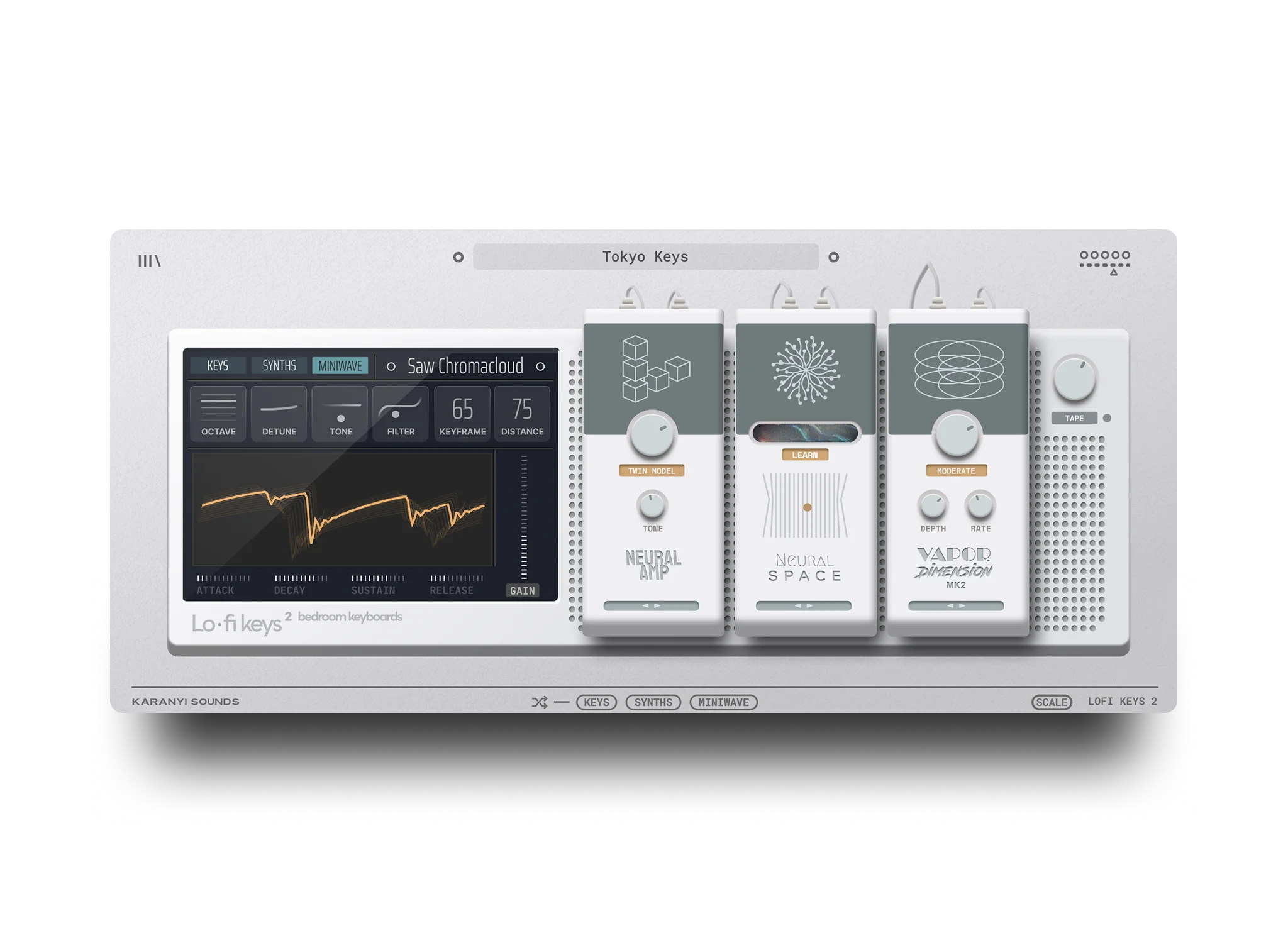
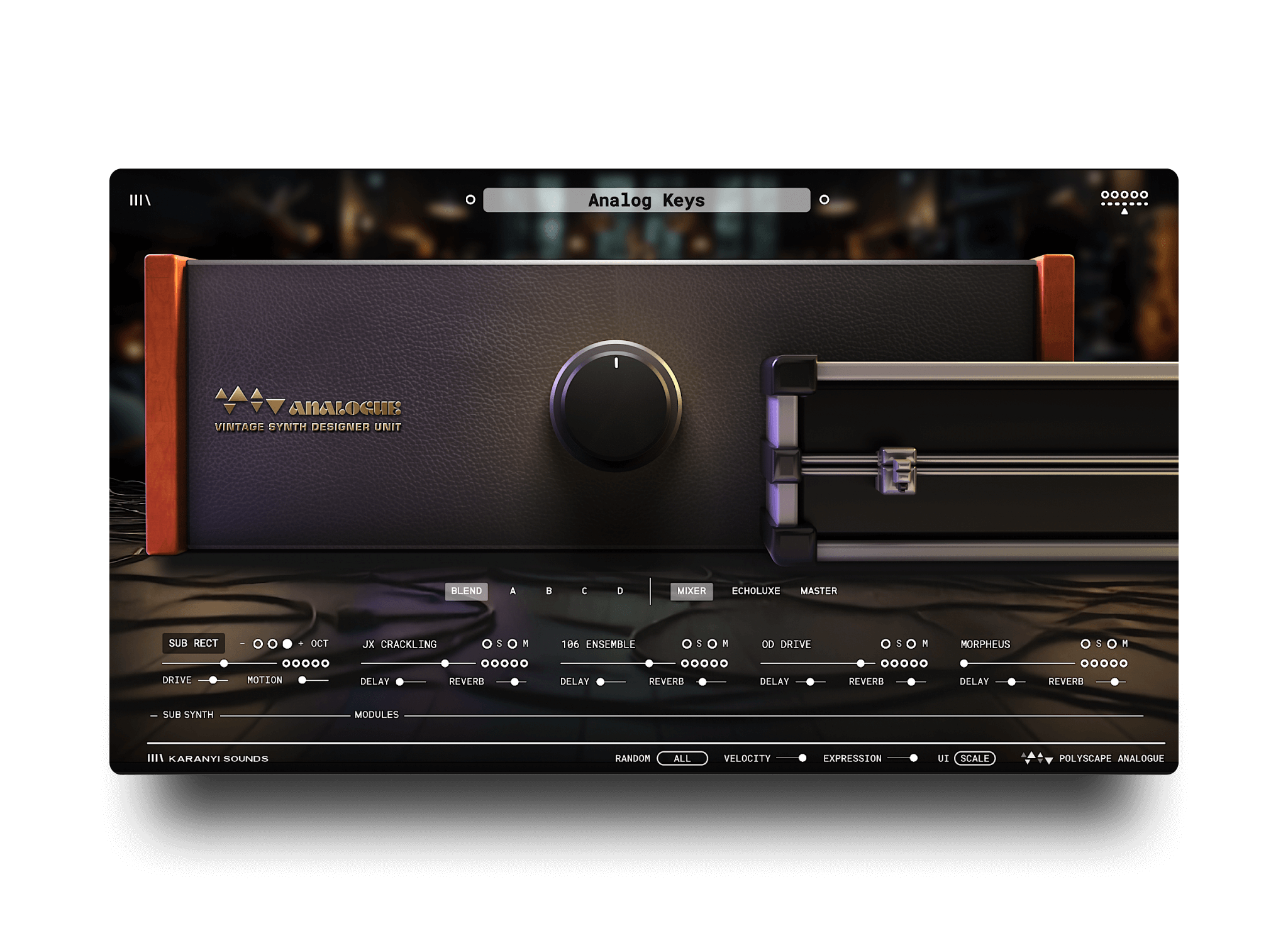
Synthesizers built on analog and modular circuit models capture warmth at the source, before any separate saturation or EQ. Polyscape Analog by Karanyi Sounds is a multi-layer synthesizer built on rare analog and modular synth models, with vintage-style DSP effects and a smart randomizer for building complex, layered analog sounds.

5. Utilize Analog-Style Effects
Effects such as chorus, phaser, and flanger were staples of vintage production, most often achieved through analog circuits. Analog-modeled versions of these effects can add the movement and depth typical of classic recordings.
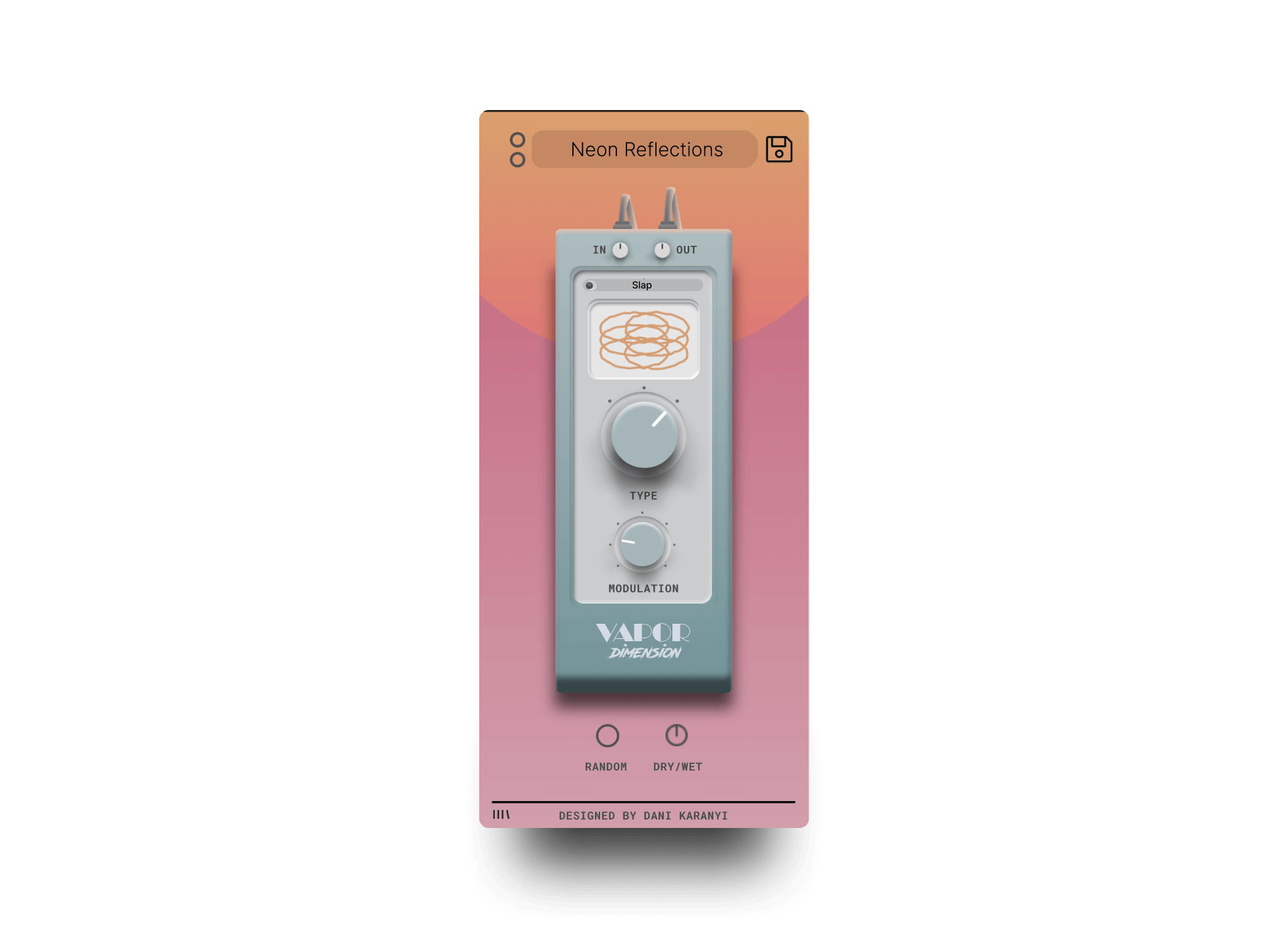
Product tip: Hawk Phaser by Safari Pedals, a vintage-style phaser plugin with input drive, depth, filter, rate, and width controls, or Vapor Dimension by Karanyi Sounds, a modulation effect built around warm phasing and chorus movement inspired by classic hardware. For more ways to add character with modulation, see our piece on adding character and depth with creative FX plugins.
6. Apply Subtle Distortion and Overdrive
Analog gear introduces mild distortion when driven hard. Plugins that simulate tube or transistor distortion can add harmonic richness and warmth to a track, emulating how vintage gear behaves under load.
7. Implement Wow and Flutter Effects
Wow and flutter are the pitch variations caused by mechanical imperfections in tape machines. Adding these subtle modulations with a dedicated plugin gives a sound an organic, slightly unstable quality that mimics real analog tape.
Product tip: Tape MELLO-FI by Arturia, a tape-emulation and lo-fi effect based on the sound and mechanics of a Mellotron, with dedicated Noise, Flutter, Wow, and Wear controls.
8. Leverage Neural Technology for Analog Modeling
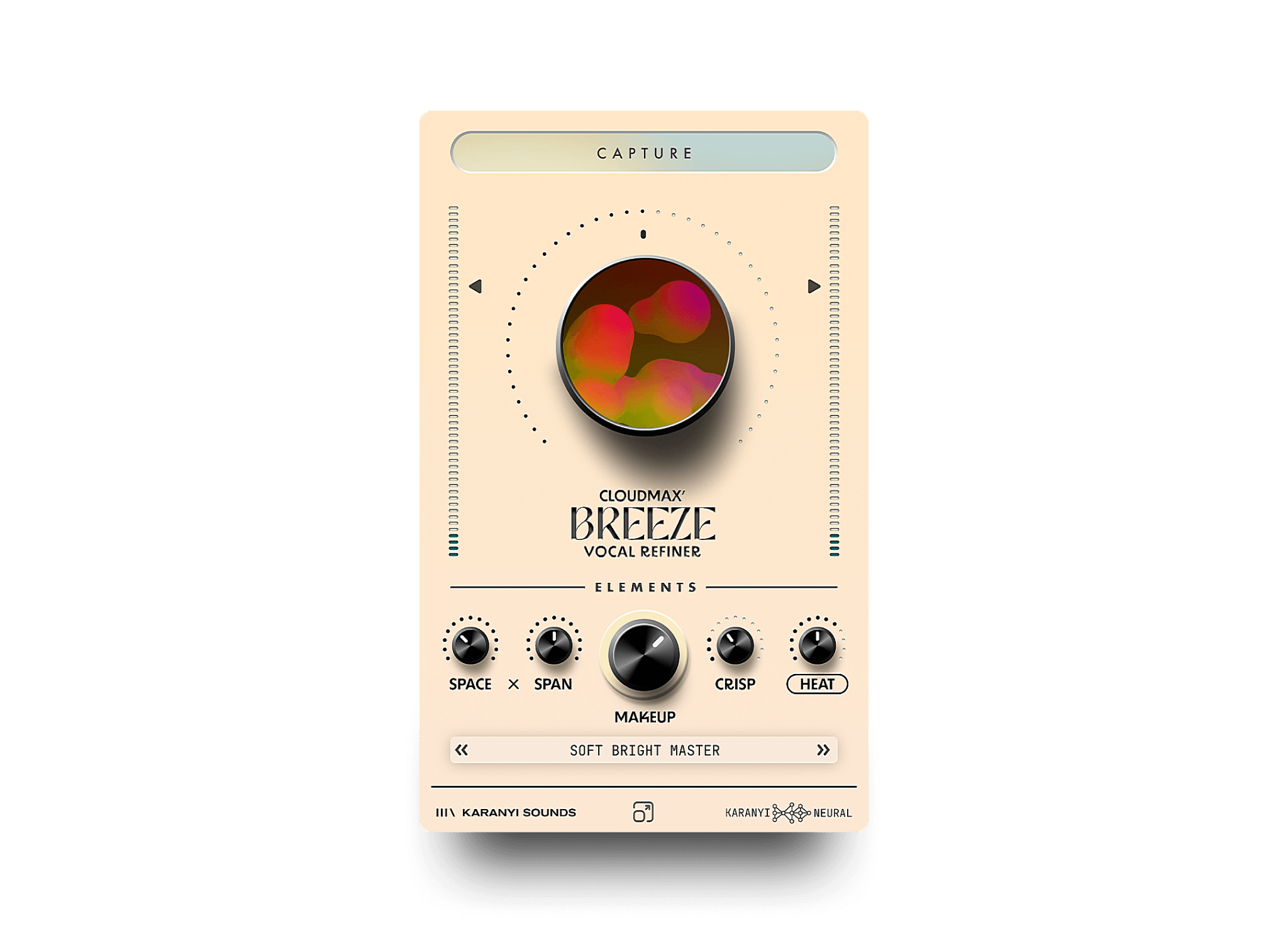
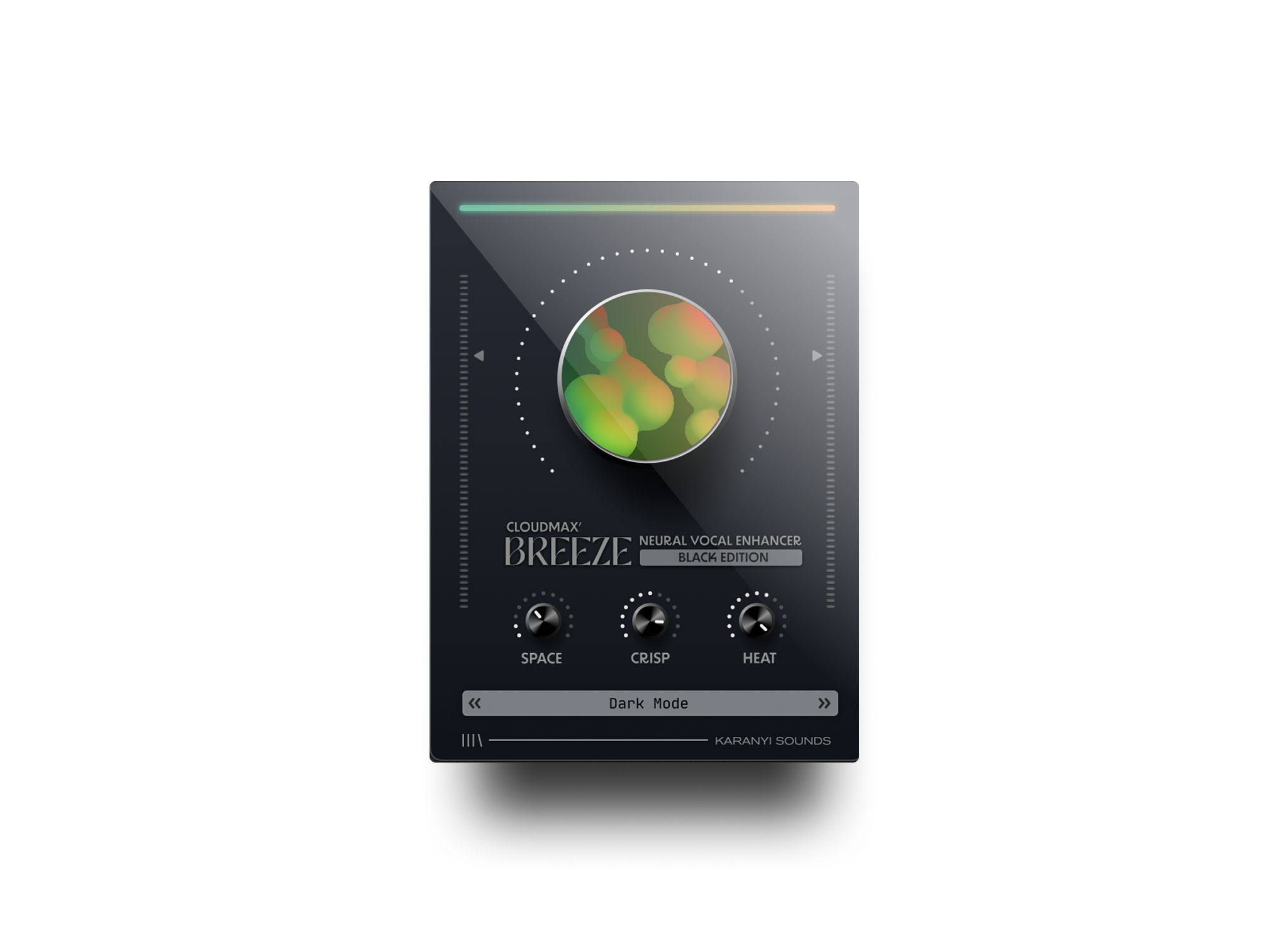
Neural processing has made it possible to model analog hardware behavior more accurately, and Karanyi Sounds's Cloudmax Breeze puts that to work on vocals: a neural vocal processor with 1-knob control that blends 4 studio-quality effects, useful for adding warmth and character on top of a raw vocal take. For a closer look at how this kind of processing works, see what AI vocal processing plugins actually do to your voice.
9. Embrace Dynamic Range and Headroom
This one is easy to overlook. Unlike the often heavily compressed nature of digital recordings, analog systems had inherent limitations that resulted in a wider dynamic range. Allowing for natural peaks and preserving headroom in a mix contributes to a more authentic analog feel.
10. Use Analog-Modeled Reverb and Delay
Reverb and delay units from the analog era have distinct characters, like the warm decay of a spring reverb or the gradual degradation of a tape delay. Plugins that emulate these vintage effects add space and depth while keeping the analog vibe intact.
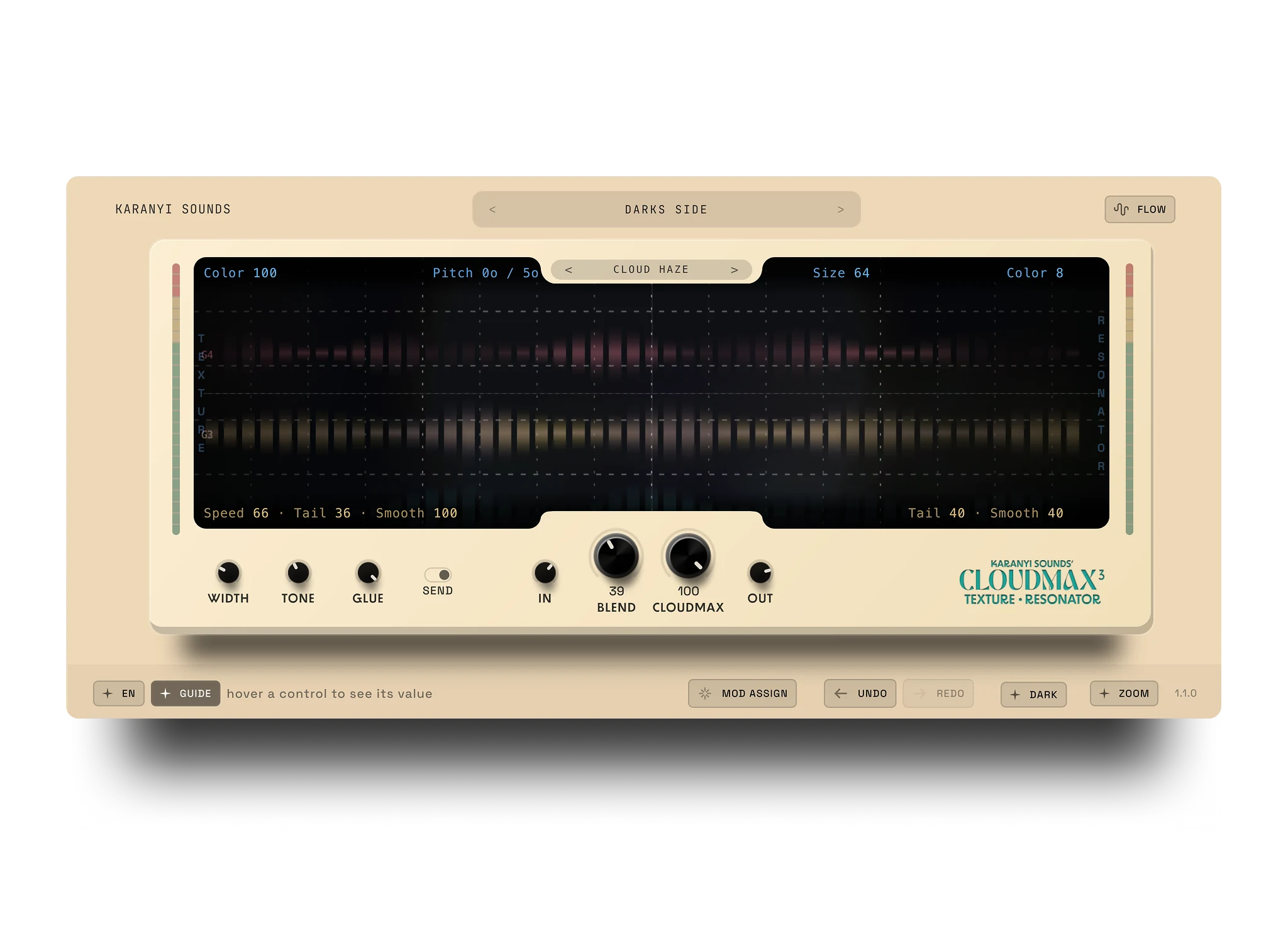
Product tip: Cloudmax 3 by Karanyi Sounds combines granular delay and reverb in one plugin, useful for tape-style delay trails and denser, textured spaces. For more reverb options, see our roundup of Valhalla alternatives for ambient reverb.
11. Experiment with Harmonic Exciters
Harmonic exciters enhance a signal by dynamically adding harmonics and manipulating phase, often resulting in a brighter, more present sound. Originally built into valve-based hardware, they are now implemented as digital signal processors that emulate that analog behavior, such as the BBE Sonic Maximizer D82 by Nomad Factory.
Getting the Balance Right
Applying these techniques thoughtfully, and in moderation, is what gives a digital production the warmth, depth, and character of vintage analog recordings. Start with 1 or 2 techniques on the elements that need it most, compare bypassed against processed, and only add more once you can hear what each one is doing.
FAQ
What is the easiest way to add analog warmth to a digital track?
Tape saturation plugins are the fastest route. Running a track or bus through a tape emulation like Universal Audio's Studer A800 and adjusting tape speed and bias adds the harmonic compression classic analog gear is known for, in a single step.
Do I need real analog hardware to get a vintage sound?
No. Universal Audio's Studer A800 and Waves' Scheps 73 are both modeled on measurements of real hardware, so you get comparable coloration without buying, maintaining, or calibrating physical gear.
What is the difference between tape saturation and vinyl-style noise?
Tape saturation is harmonic distortion and gentle compression from magnetic tape; it shapes the tone of the signal itself. Vinyl-style noise, such as crackle or hiss, is texture layered on top. Use saturation to shape the sound and noise sparingly to set a mood.
Can a synthesizer sound analog without extra saturation plugins?
Yes, if it is built on real analog and modular circuit models. Polyscape Analog draws on rare analog and modular synth models with vintage-style DSP effects, so its sounds carry warmth before any separate processing is applied.
Is more analog warmth always better for a mix?
No. Stacking saturation, wow and flutter, and noise can add up to mud instead of character. Apply these techniques at low to moderate settings on the elements that need them, and compare bypassed against processed to confirm they are helping.
Want to build analog character into a track from the instrument up? Explore the Karanyi Sounds Complete Suite, which bundles every plugin we make, instruments and effects alike, in one collection.



1 comment
Kostya
Thank you for this article!
Leave a comment
This site is protected by hCaptcha and the hCaptcha Privacy Policy and Terms of Service apply.