
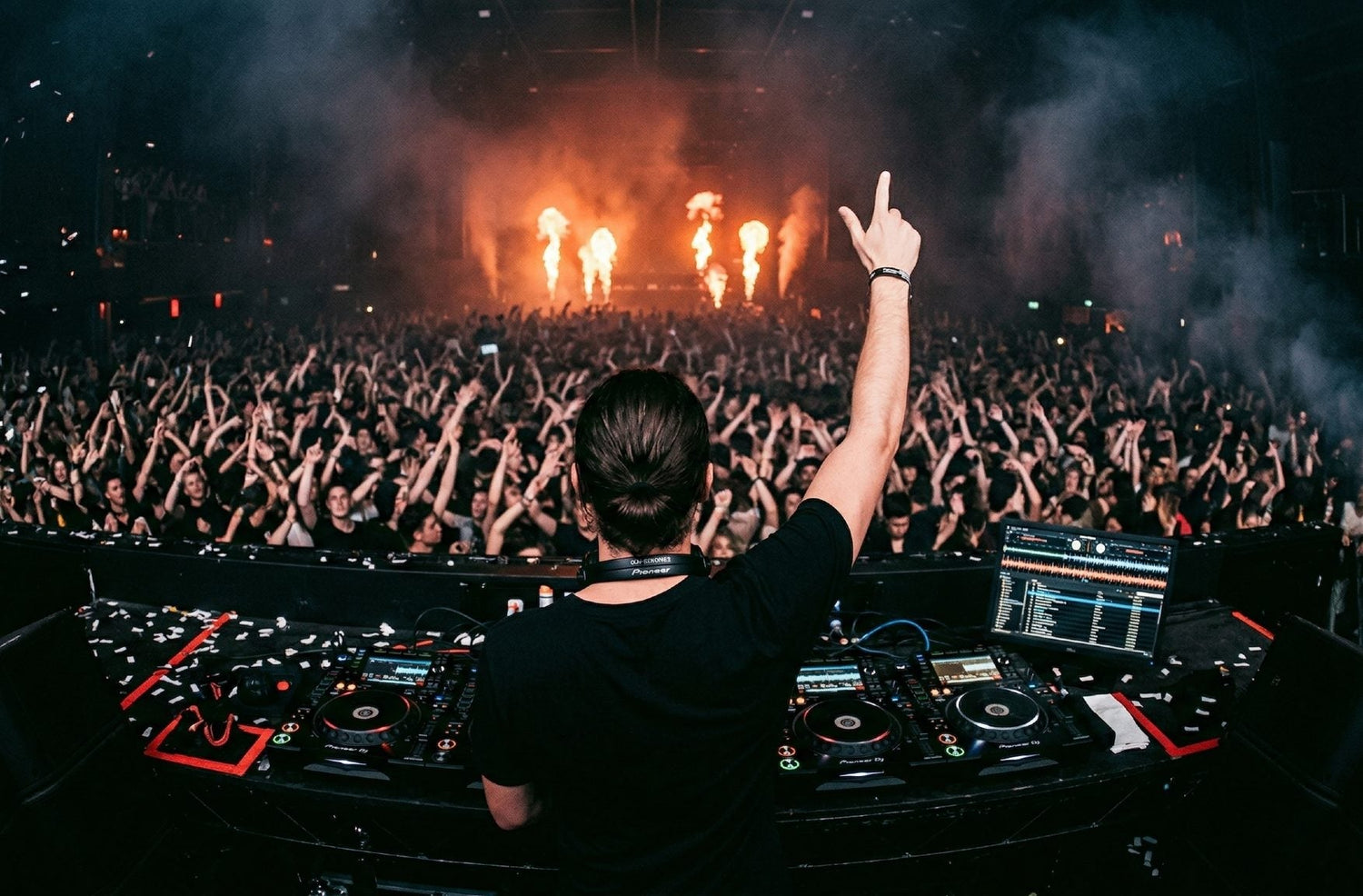
A drop lands because of contrast, not volume. The build has to create a real absence (stripped elements, a narrower filter, near-silence) so the impact has somewhere to fall into. This guide breaks down the full sequence, from build to impact to release, with real settings.
If your drops feel underwhelming and listeners nod along instead of reacting, the problem is almost never the drop itself, but everything leading up to it.
Why Most Drops Feel Flat
The most common mistake is treating the drop as a mixing problem: stack more elements, push the master louder, layer the kick three times. The drop still lands with a shrug.
The real issue is almost always contrast. A drop can only feel as big as the space it collapses into. If the build is already dense and loud, there is nowhere left to go. Think of the drop as a negative space problem: the build's job is to create absence, and the drop's job is to fill it.
The Anatomy of a Drop
Before touching any plugins, understand the four moments that make up an effective drop sequence.
1. The Approach (bars -16 to -4)
Density peaks here: melody, rhythm, layering, everything present. The goal is a sonic ceiling so the contrast moment registers harder.
2. The Strip (bars -4 to -1)
The most underrated part of the sequence. Removing elements (muting the kick, pulling the bass, filtering the top end) creates anticipation more effectively than adding risers.
3. The Impact (bar 1)
The moment everything returns. Punch, weight and transient snap matter here: the kick needs to be felt before it is heard, sub-bass fills the space the strip created, and width expands suddenly.
4. The Release (bars 1-4)
What the drop settles into. A common mistake is front-loading everything into bar 1 and letting energy dissipate immediately. Groove, rhythm variation and dynamic breathing keep it from deflating.
Building Tension: What Actually Works in the Build
Filter automation as a pressure valve
A slow high-pass filter rise on the main synth pad from bars -8 to -2 narrows the spectrum, creating a sense of squeezing, so the full-frequency return feels sudden. Target filtering up to around 800 Hz to 1 kHz by the strip phase, so the spectrum floods back hard on impact.
Risers: less is more
Most producers overuse risers. One well-placed rise (a pitch-ascending synth, a noise sweep, a reversed cymbal) lands harder than four fighting each other. Ramp its volume to about -6 dB in the last bar, then cut it entirely one beat before the drop lands. That gap creates more tension than extra FX would.
The strip: learn to take away
In bar -1, pull every element except one rhythmic element, like a shaker or a hi-hat, and let it carry the last bar alone. On bar 1, bring everything back at once. This "vacuum and release" technique drives the physical snap in well-constructed drops. A related trick most producers skip: automate the overall bus down by 2-3 dB in the last two bars, then back to unity right on the impact. Combined with the strip, it makes the jump feel bigger without raising the level.
Making the Impact Hit: Drum Design at the Drop
The kick is the emotional anchor of a drop. If it lacks physical weight and a clear transient, no amount of layering will save it.
Punch vs. weight, and why you need both
Punch is the transient, the sharp initial attack. Weight is the sub, the sustained low end that gives the sound body. They live in different parts of the spectrum and need separate attention.
For punch, focus on 3-8 kHz, where the "click" of a kick cuts through on small speakers. Transient shapers and mild saturation here tighten the attack. For weight, control the sub between 40-80 Hz: sidechain compression from the kick to the bass keeps them from stacking into mud. Clean sub-bass beats loud sub-bass.
A layered one-shot impact sound, a short "boomer" sample under the kick on bar 1 only, adds extra weight fast without reprocessing the whole low end. Keep it low: an impact sound louder than the kick makes the rest of the drop sound weaker by comparison.
Width on the drop
Manipulate the stereo field at the drop instead of before it. Running the mix narrower in the build, then expanding width on bar 1, creates a sense of physical space opening. The opposite also works: if the build-up is already wide, a narrower impact can feel tighter and more focused.
The one-bar trick
Add a very short (100-150ms) room reverb with a fast pre-delay to the kick, only on bar 1, not on every kick. This makes the impact feel larger and more placed in space.
Making the Release Breathe
If the drop's energy dies within eight bars, the problem is usually in the release. Three things help:
Sidechain pumping with personality. Instead of a straight 4/4 sidechain, offset the duck to a dotted-8th pattern, or use a custom LFO curve that does not simply cut and release. The asymmetry adds groove to what would otherwise be mechanical pumping.
Introduce variation on bar 5. Add one new element, a percussion layer, a counter-melody, a brief filter move, to reset attention without pulling listeners out of the groove.
Let reverb tails breathe. Many producers over-compress the reverb tails after a drop. A longer, quieter reverb on the snare or clap adds perceived space and keeps the groove from sounding flat.
Tools Worth Knowing
These mechanics work with any DAW and a basic plugin set, but a few tools make specific parts faster.
Xfer LFOTool is a standard choice for sidechain ducking with custom curve control. It is a paid, CPU-light utility, not free, and drawing exact duck shapes, rather than relying on a compressor's attack and release curves, gives precise rhythmic control over the pumping effect.
Cableguys ShaperBox 3 modulates volume, filter and pan at once from a single synced envelope, handling combined effects like a filter rise plus stereo narrowing in one place. Soundtoys Decapitator adds bite and character to kicks in a way that survives heavy low-end mixing, and its Punish button makes it fast to dial in grit without the kick losing its body.
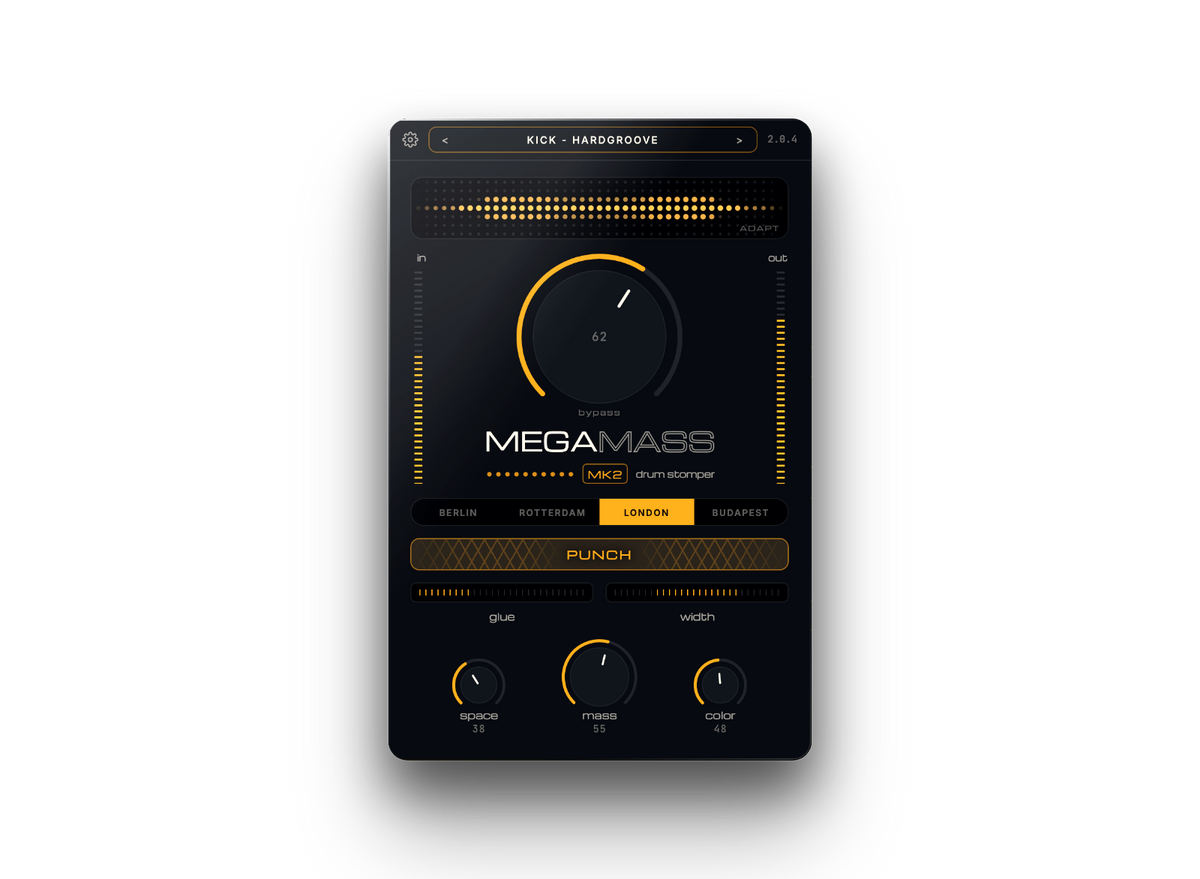
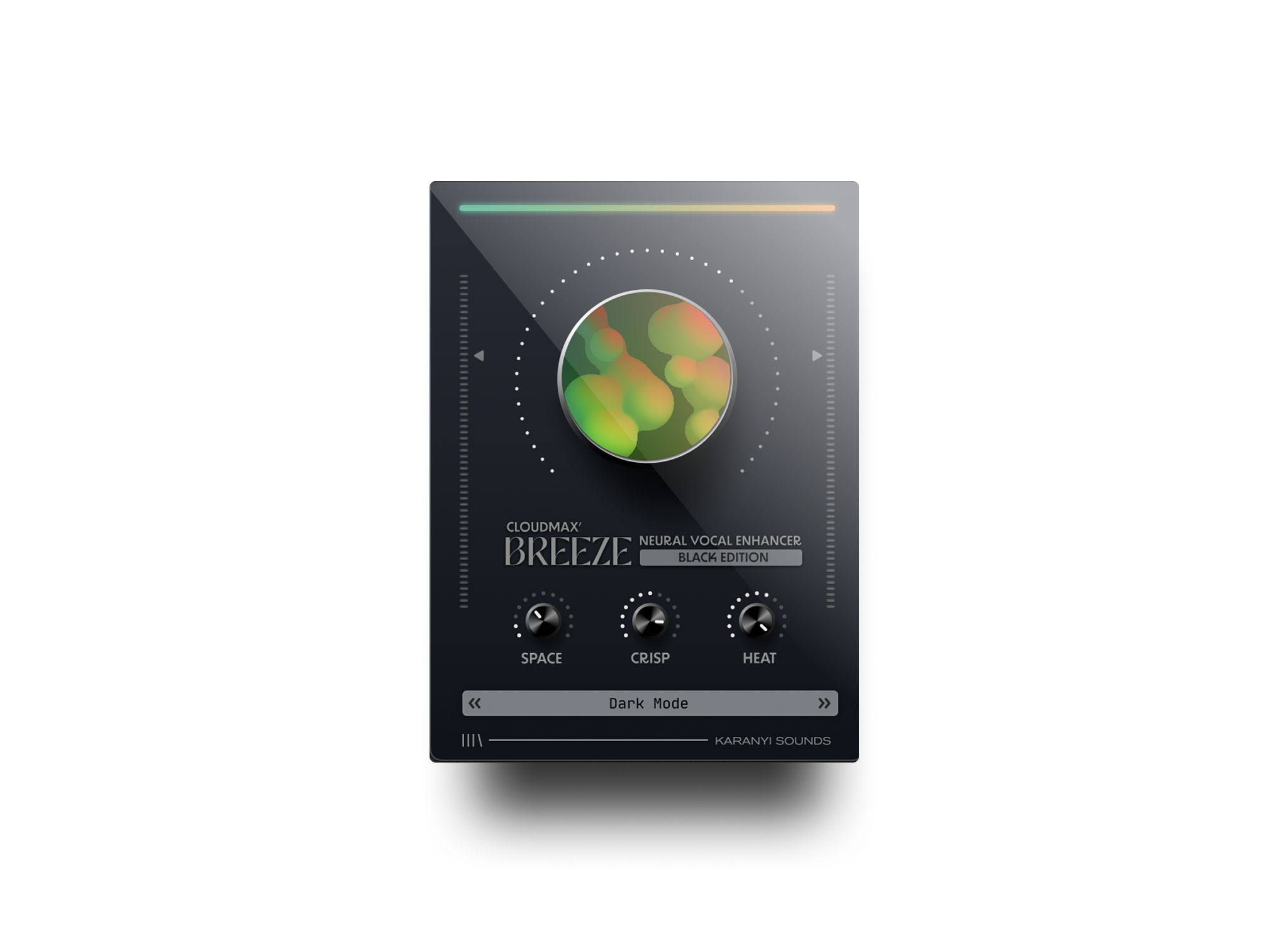
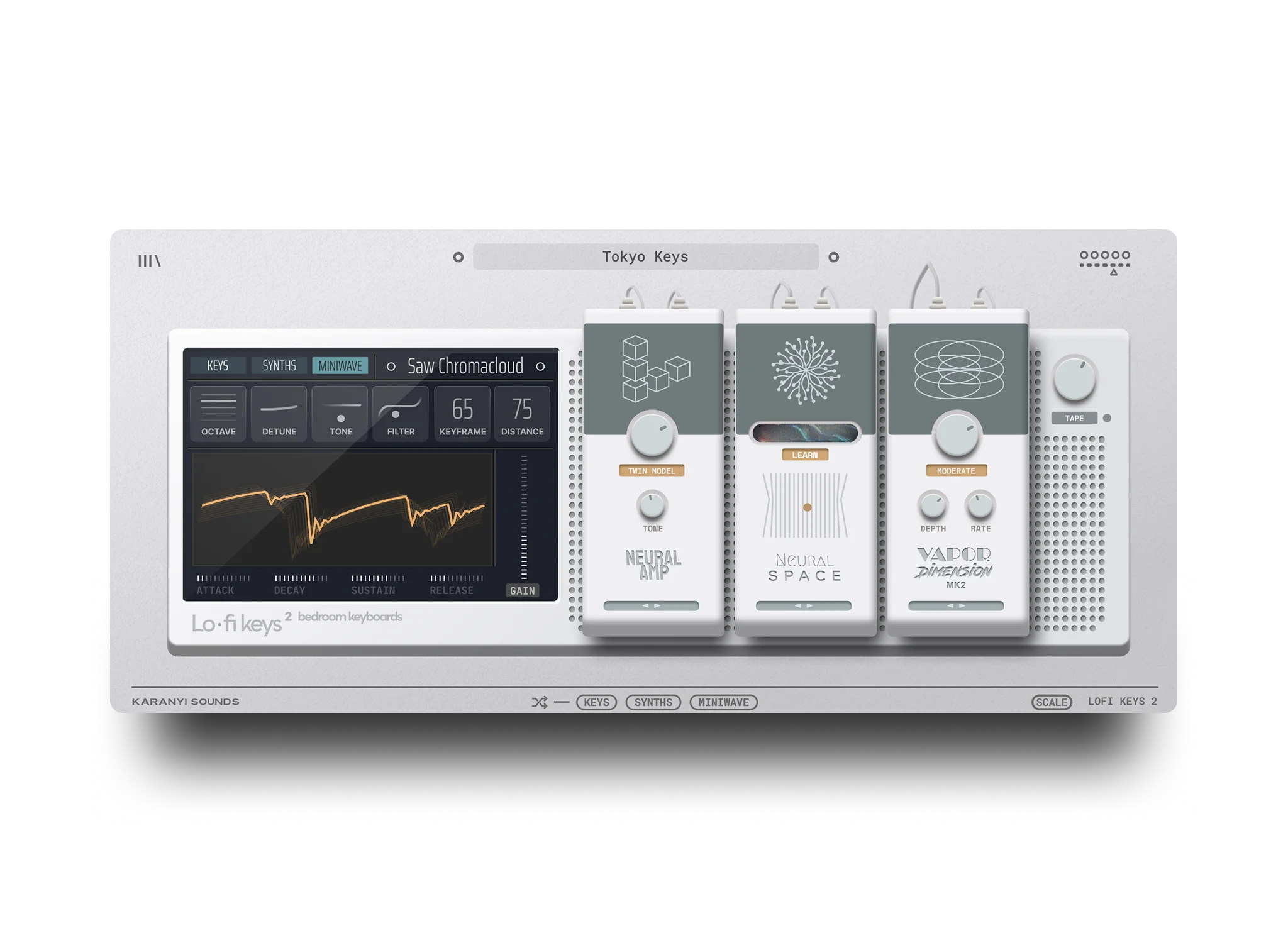
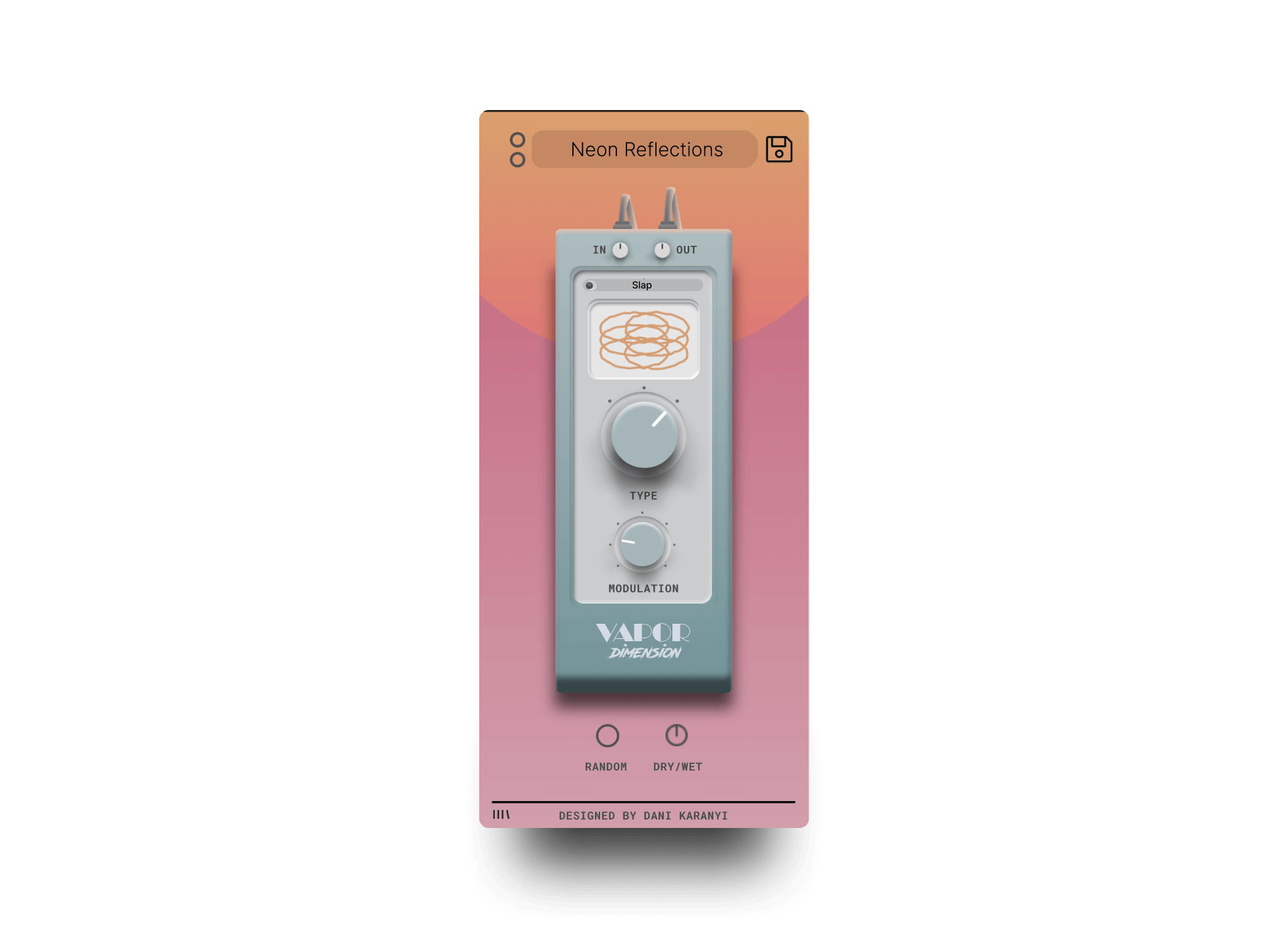
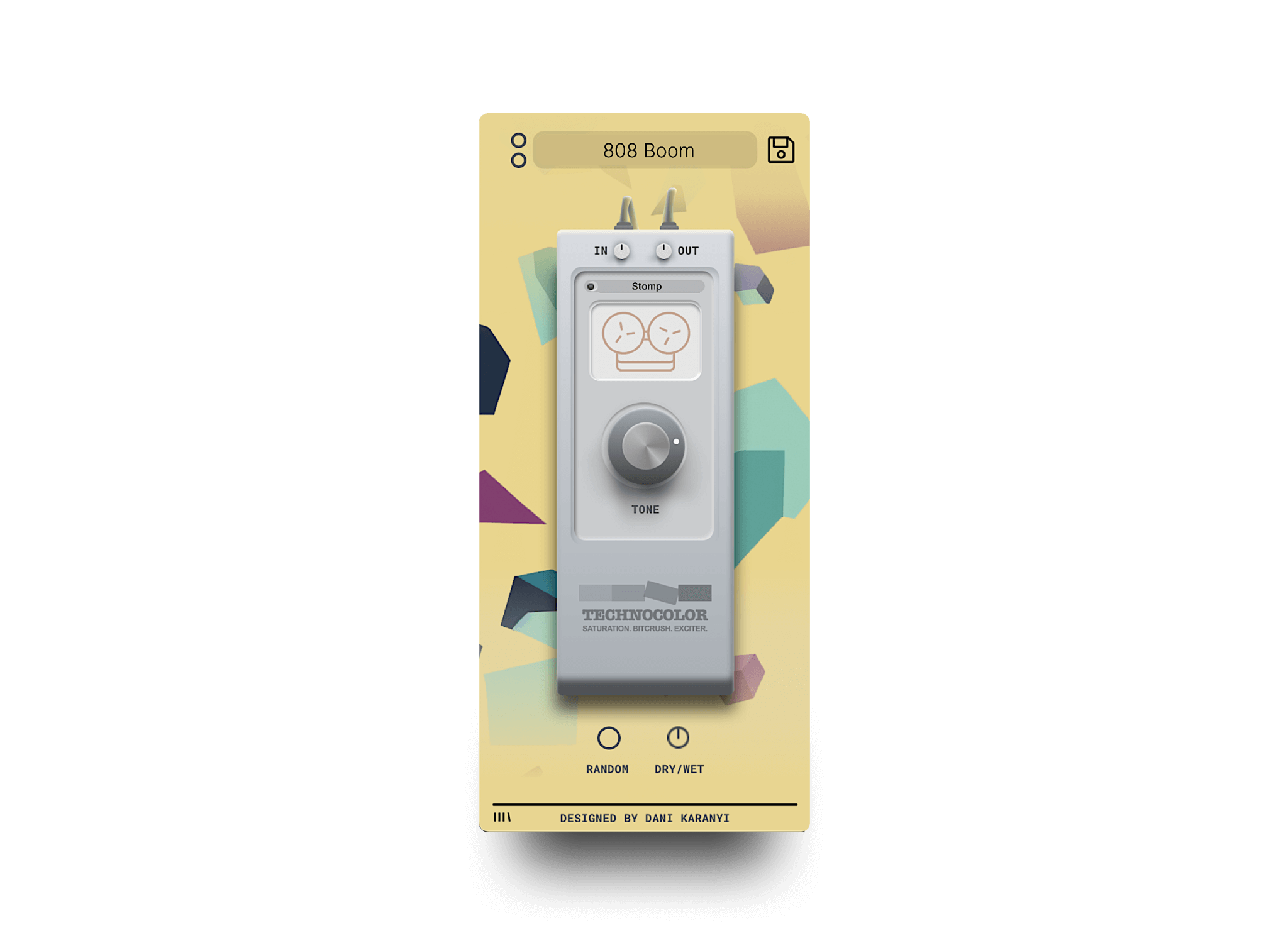
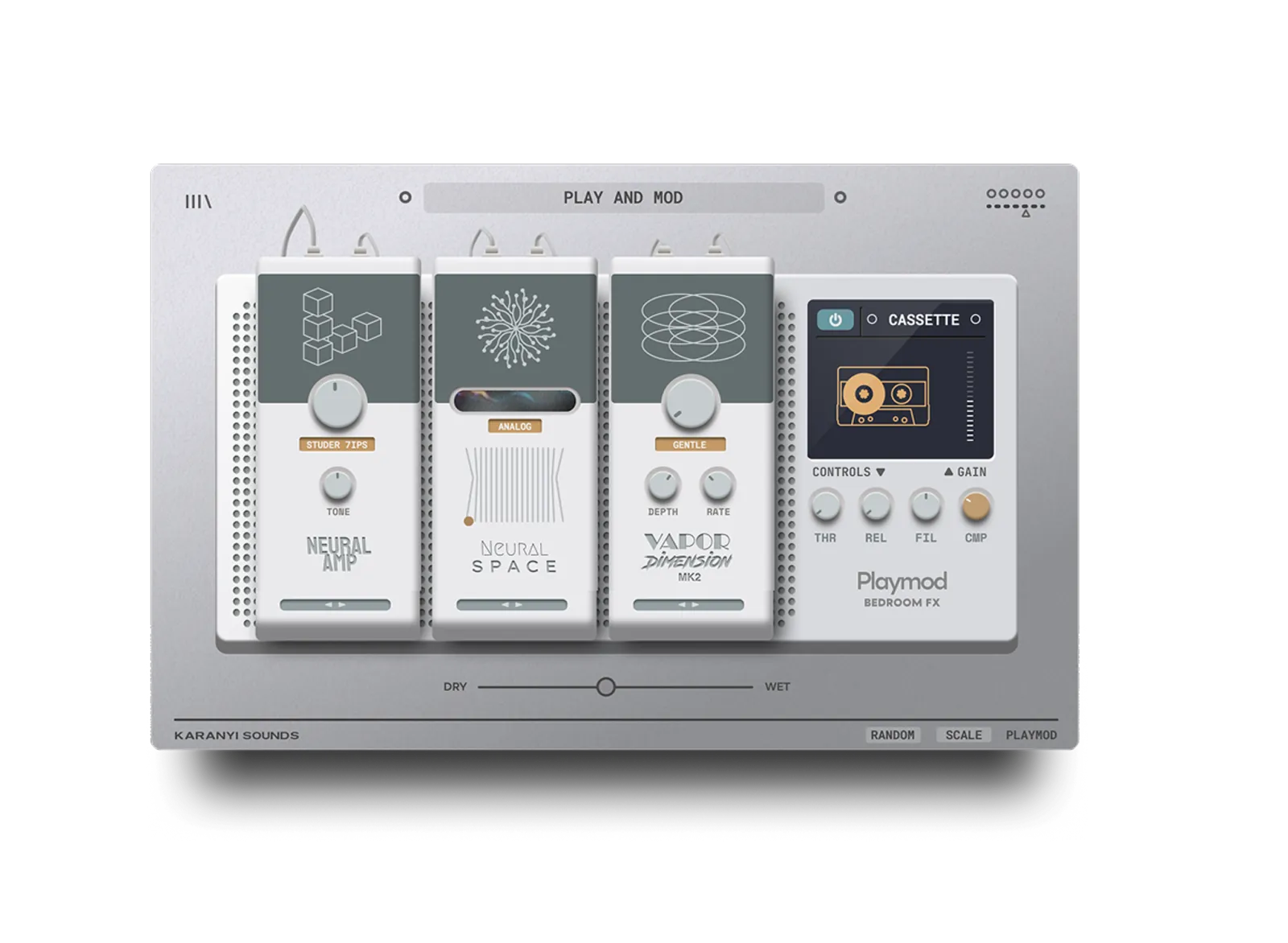
Honorable mention: the Karanyi Sounds Impact FX Suite. Two of its three plugins are directly relevant here. Megamass is a kick-focused processor that handles the punch and weight balance above in one interface: its Drive, Tone, Width and Space controls map closely to this guide. Playmod, the suite's creative multi-effects plugin, fits the build and release phases: its neural saturation adds character to synth drops and bass layers, and its playback engine (vinyl, tape, cassette modes) adds textured character fast. Neither replaces the techniques above, but both speed up execution.
Putting It Together
A drop that lands is a sequence, not a moment. Here is the condensed workflow:
Establish density in the approach. Let the mix feel full and slightly overwhelming.
Strip aggressively in bars -4 to -1. Pull the kick, the bass and at least half the melodic layers.
Use one riser, not four. Cut it one beat before impact.
Design the kick for both punch (3-8 kHz) and weight (40-80 Hz). Keep the sub clean.
Re-design the stereo width at bar 1.
Add a short room reverb to the first kick only.
Introduce something new at bar 5 of the release to reset attention.
Let reverb tails breathe instead of compressing everything into flatness.
A drop feels big because of the void created before it, not because of what's in it. Master the build and the strip, and the impact takes care of itself. The same logic applies further back: see how to make your intro hold attention, so listeners reach bar -16 in the first place.
FAQ
How long should the build-up be before a drop?
Most effective builds run 8 to 16 bars, with the last 4 doing the real work. A shorter build (4-8 bars) suits faster genres like drum and bass, while a longer build (16-32 bars) fits progressive house, where the payoff should feel earned rather than sudden.
Why does stripping elements work better than adding a riser?
Stripping creates real silence, and silence is what makes the ear crave the return. A riser adds more sound on top of an already full mix, so it raises energy without creating the absence a drop needs. The two work best combined: strip the mix, then use one riser to bridge the gap.
What frequency range makes a kick feel punchy versus heavy?
Punch lives around 3-8 kHz, where the transient click cuts through on any speaker. Weight lives around 40-80 Hz, where the sustained sub gives the kick body. Both need separate processing, since boosting one range does not fix a weakness in the other.
Is Xfer LFOTool free?
No. LFOTool from Xfer Records is a paid utility plugin, not free. It earns its price with a drawable LFO curve that gives exact duck shapes for sidechain-style pumping, instead of relying on a compressor's attack and release settings, so the rhythm of the pump stays fully under your control.
Do I need a dedicated plugin to design a punchy, weighty kick?
No, the EQ, saturation and sidechain techniques above work with stock plugins. A dedicated processor like Megamass just collapses the same workflow into fewer steps, useful for designing kicks on several tracks a week.
Want the low end sorted in one plugin instead of a chain of five? Try Megamass and dial in punch and weight from the first knob turn.


Leave a comment
This site is protected by hCaptcha and the hCaptcha Privacy Policy and Terms of Service apply.