
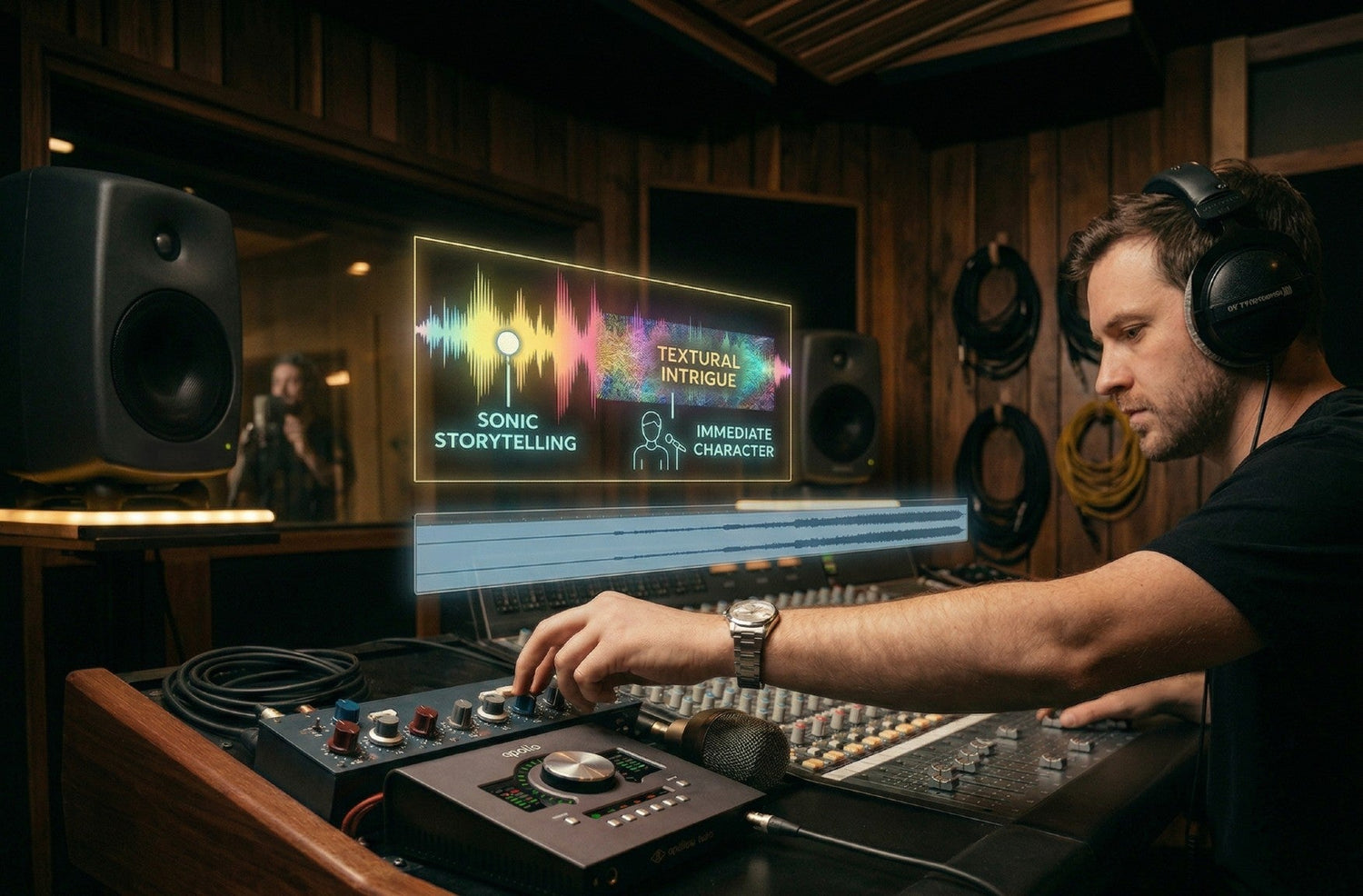
Here’s a number worth sitting with: a quarter of all songs on Spotify are skipped within the first five seconds. Not the first thirty. Not the first minute. Five seconds. Research published by Spotify’s own data team found that listeners make what amounts to an aesthetic judgment in under a second - and most of that judgment is made on the basis of a single thing: whether the sound they’re hearing makes them want to stay in that world a little longer.
The standard advice producers get about intros is arrangement advice: get to the hook faster, shorten the intro, don’t make listeners wait. That’s not wrong. But it treats the intro as an arrangement problem, something to be solved by cutting bars or moving sections around.
The real problem is almost always character. Not length.
A four-bar intro that sounds like nothing in particular will lose listeners just as fast as a sixteen-bar one. And a sixteen-bar intro built around a genuinely compelling sound (something with texture, personality, and a sense of arrival) will hold attention far longer than the algorithm gives it credit for.
The first 8 bars aren’t the part before your track. They are your track, at its most exposed. Everything the listener learns about the world they’re entering comes from those opening seconds: what kind of space this is, what kind of energy it carries, what kind of producer made it. Groove and melody arrive later. Character has to be there from bar one.
The Mistake: Treating the Intro as Structural Scaffolding
Most intros are built like this: a kick, a hat, maybe a pad, the main synth playing softly. Then gradually more elements come in. Then the drop, or the verse, or the hook. The intro is a container for what’s about to arrive.
This is why intros get skipped. A container with nothing interesting in it is just waiting. And listeners on streaming platforms are not in the habit of waiting.
The fix isn’t to put the hook in bar one - though that’s sometimes right. The fix is to understand that the intro needs its own reason to exist. It needs to offer something specific and intriguing before any of the main arrangement elements arrive. That something is almost always sonic: a distinctive texture, a processed sound that doesn’t sound quite like anything else, a sense of space or movement that makes the listener lean slightly forward.
Four Techniques That Actually Work
1. Lead with character, not rhythm
The instinct when starting a track is to establish groove first. Lay the drums, build the rhythm, then add elements on top. This works fine once the listener is already engaged. In an intro, it’s the slowest possible way to establish identity.
Try flipping it. Start with the most characterful sound in your track: a heavily processed pad, a warped vocal chop, a textural element with distinct grain before the rhythm arrives. Let that sound occupy the first two bars on its own or nearly alone. Then bring the groove underneath it.
What this does is tell the listener immediately what kind of track this is, not through genre signaling (tempo, drum pattern) but through timbre - the actual quality and texture of the sound. Timbre is processed instantly and emotionally. Groove requires context. A listener will know in half a second whether the texture of your opening sound is interesting. They’ll need a few bars before they can evaluate your drum pattern.
The saturation, modulation, or degradation you put on that leading sound is doing the communication. Which is why the intro is the most important place in the track to make deliberate FX decisions.
2. Ask a sonic question
The most compelling intros don’t announce, they suggest. They create a small sense of incompleteness that the listener’s brain automatically wants resolved. This is sometimes called tension, but it’s subtler than that: it’s more like curiosity.
Modulation effects are the simplest tool for this. A slow phaser on a sustained pad creates a sense of movement-toward - the sound is going somewhere, and the listener subconsciously waits for it to arrive. A subtle pitch drift on a plucked sound gives it a reaching quality. A chorus effect with a slow rate turns a static sound into something that breathes.
None of these are dramatic. The listener won’t consciously register “that sound is using a phaser.” What they’ll register is an almost physical pull to keep listening. A sensation that something is unresolved and the track is moving toward answering it.
This technique works especially well when the question posed in the intro is answered by the arrival of the main groove or hook. The opening pad breathes and drifts; the kick hits; the modulation locks into something steadier. The listener’s brain registers that as satisfaction, which builds positive association with the track from the very first transition.
3. The false start
One of the most effective techniques for intro attention is also one of the most underused: putting something in the first few seconds that sounds slightly wrong, or at least unexpected, and then letting the track emerge from it.
This can be a sound that’s heavily filtered, as if heard from outside a room. A moment of deliberate noise or crackle before the clean signal arrives. A reversed hit that briefly suggests the track is playing backwards. A pitch drop that feels like a record slowing down before locking into tempo.
The mechanism is simple: the listener’s brain, encountering something unexpected, immediately shifts to active listening mode. “Wait — what was that?” is the most valuable question your intro can ask. Passive listeners become active ones. Skip rate drops because the brain doesn’t skip when it’s actively processing something strange.
The key is that the false start needs to connect, even loosely, to the rest of the track. It can be texturally or sonically different, but it should feel intentional rather than broken. A tape flutter before a lo-fi beat works. Random digital noise before a polished pop track probably doesn’t. The surprise needs to be earned by what follows.
Vintage playback effects (the flutter, warble, and character of tape or vinyl ) are particularly useful here. They signal history and intimacy before the track even establishes its genre, which creates an immediate emotional tilt toward engagement. Something that sounds like it could have been an old recording - even for a split second - triggers a different quality of attention than something that sounds purely digital and clean.
4. The arrival: filter automation as a storytelling tool
If there’s one FX technique that’s specifically designed for intros, it’s the filter sweep — but not in the way most producers use it. The classic approach is to apply a low-pass filter to the full intro mix and slowly open it up toward the drop. This works, but it’s become predictable enough that listeners register it as “the intro is happening” rather than as anything emotionally specific.
The more powerful version is filtering individual elements rather than the full mix, and using the filter as a spatial cue rather than a buildup tool. Start the track with your main melodic element heavily filtered - not low-passed to just bass frequencies, but mid-filtered so it sounds like it’s being heard from inside something, or through a wall, or from a distance. Then let it open progressively.
What this communicates is arrival: the listener is moving toward the track, getting closer, entering the space it occupies. By the time the filter is fully open, the listener has been on a journey of about four bars and has arrived somewhere. They’re already inside the world of the track before the main arrangement has even fully established itself.
The emotional effect is significantly more engaging than simply building elements on top of each other, because it creates a sense of physical movement rather than addition.
The Underlying Principle
Every technique above is doing the same thing: creating a specific, intentional sonic character in the first moments of the track, and using that character to pose a question the listener’s brain needs to hear answered.
The intro is not scaffolding. It’s not a waiting room. It’s the opening scene... and like any good opening scene, it establishes where we are, creates a small sense of unease or curiosity, and makes leaving feel like giving something up.
The producers who consistently hold attention in the first 8 bars aren’t necessarily the ones with the fastest-arriving hooks. They’re the ones who’ve made the opening sound interesting enough that skipping would feel like a loss.
Tools Worth Trying
None of these techniques require specific plugins — a DAW’s built-in filter, a basic chorus, and a bit of saturation will get you most of the way there. But a few tools are particularly well-suited to intro design.
Soundtoys PrimalTap is excellent for the false-start territory: its delay and looping behavior can create sounds that feel slightly unstable or tape-damaged in ways that trigger active listening immediately.
Softube Tape adds analog character and subtle movement to any element, making even a simple sustained sound feel like it has history. (Plus point for the tape stop effect)
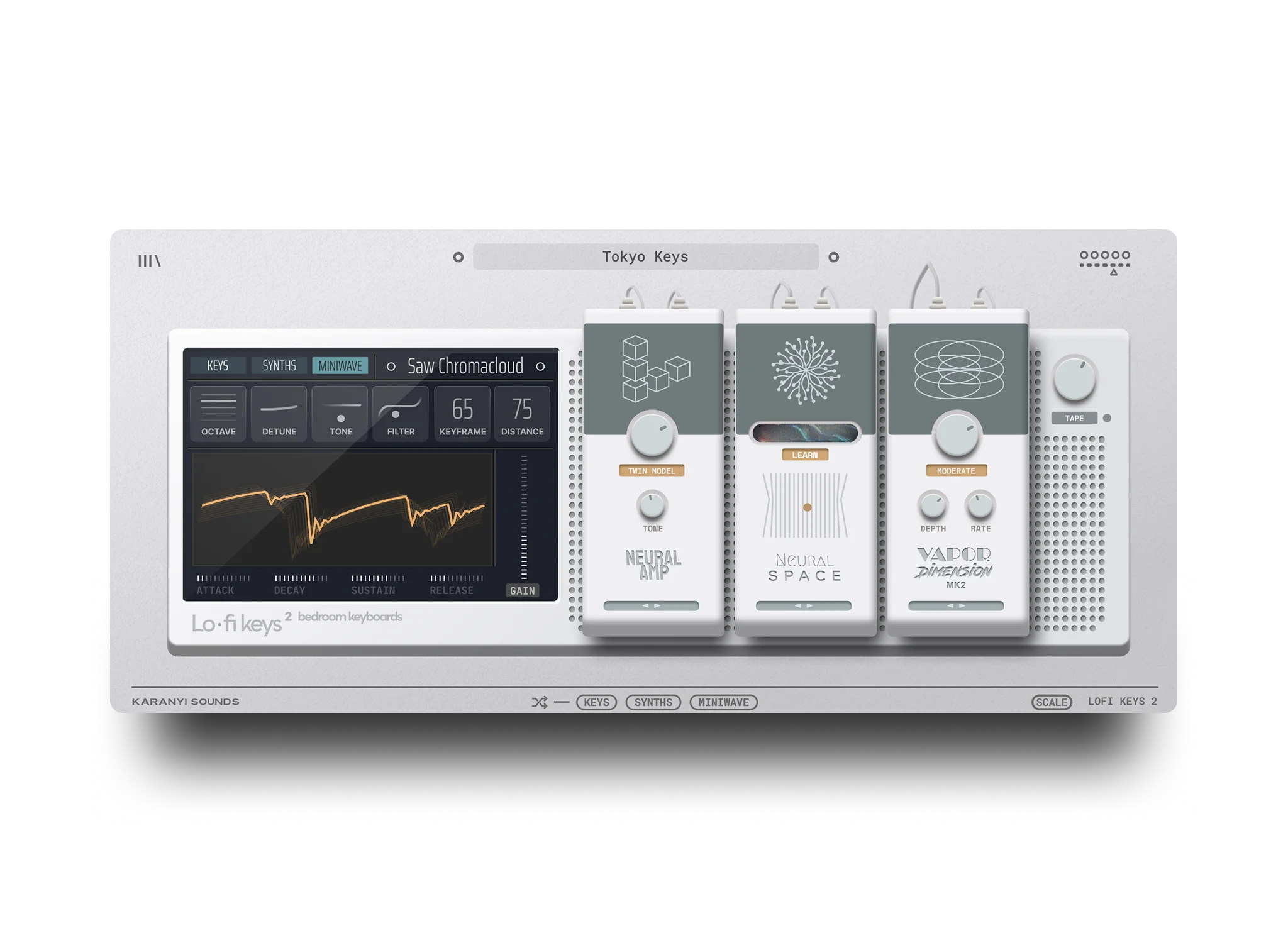
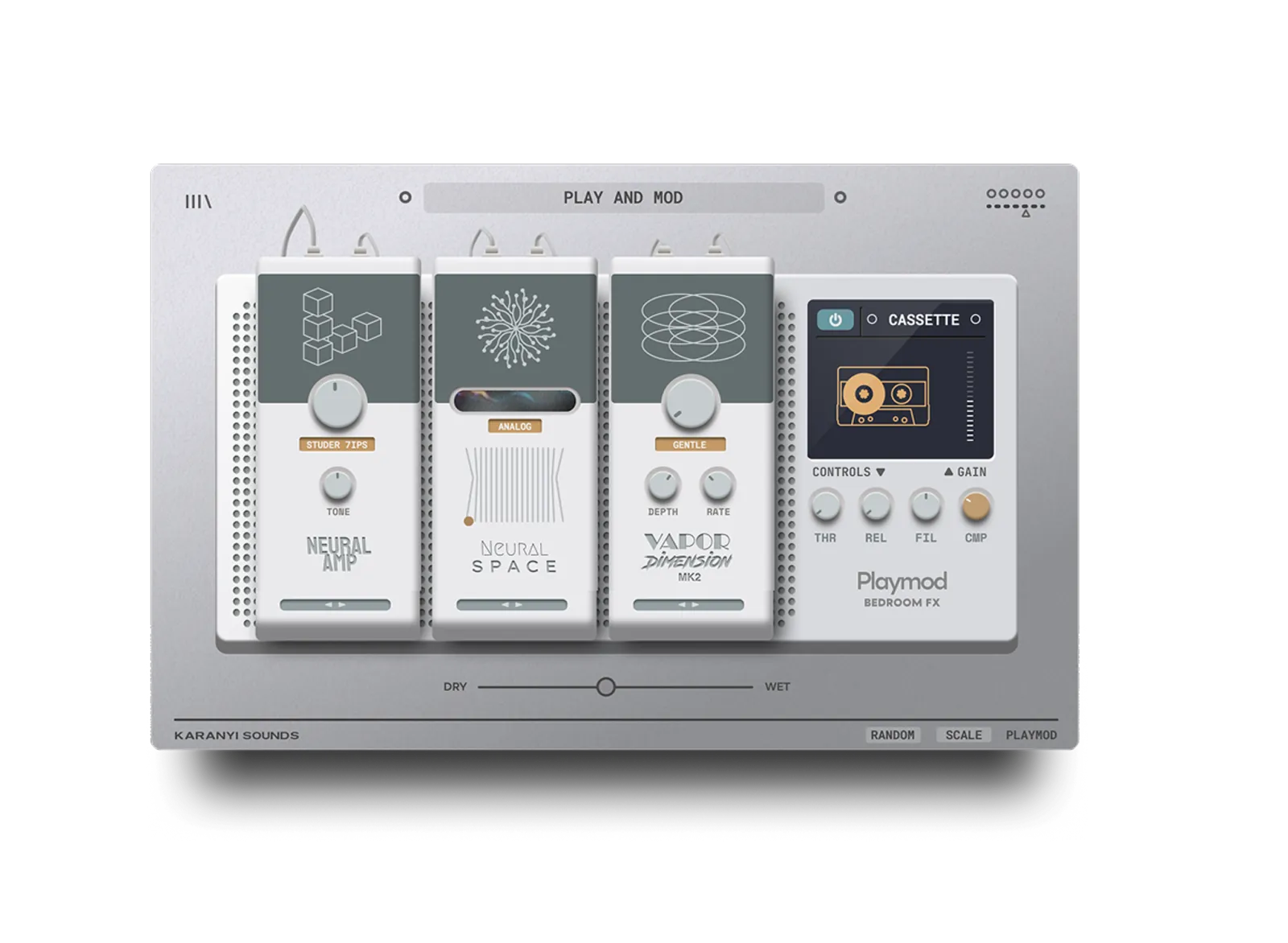
Honorable mention: Playmod by Karanyi Sounds
Its Playback Engine section with vinyl, tape, cassette, and bitcrush modes is specifically built for the kind of textural character that makes an intro sound like something rather than nothing. Running an opening pad or melodic element through the tape mode, with the noise envelope shaping how the hiss fades in with the signal, adds immediate intimacy and a sense of lived-in character that purely digital sounds rarely achieve. The neural amp section (with analog saturation models) does similar work for intro rhythmic or bass elements - adding harmonic density that makes the sound feel present and physical before the full arrangement arrives. It’s not a subtle plugin, which is exactly right for the intro: this is the place to establish character aggressively, not tastefully.
A Practical Workflow
Start your next track by designing the intro sound before anything else. Not the kick, not the bassline, but the most characterful element the track contains. Process it heavily. Put it through saturation, modulation, a vintage playback effect, or all three. Ask: does this sound tell you something immediately about what kind of track this is? Does it make you want to hear what comes next?
If it does, you have an intro. If it sounds like a starting point that still needs development - like something you’d replace once the track is done - it’s scaffolding, and it’ll be skipped.
The first 8 bars are the hardest thing to get right in a track because they have to work hardest. No groove to carry them. No hook to justify them. Just sound, space, and the question of whether the listener is going to stay.
Make them stay.



1 comment
Randall
Reading through this, I found that my lifetime of listening to good music, the professional acts, from the 70s all the way to now, has given me this knowledge instinctually. I, myself, will skip many tracks at the beginning if they meh me. I have high standards, apparently. This album I did, it starts out with a couple pads in a minor Dorian and the American pledge of allegiance, except it’s been modified to the pledge of dissension. It’s political protest music, after all. But the disconcerting character of the key, coupled with the modified pledge, draws you in. 30 seconds later, a booming bass hit, which is a djembae processed to have the techno sub rumble via Submarine and two reverbs, combined with suitable and dramatically reverbed African Tribal chanting that does a ping pong delay once in each ear, then adds bongos, and finally, guitars and drums, pulls you into the first song.
Leave a comment
This site is protected by hCaptcha and the hCaptcha Privacy Policy and Terms of Service apply.