
Lo-fi music is built by keeping things imperfect on purpose: characterful instruments, tape or vinyl noise, loose timing, and a minimal arrangement that leaves room for mood. You don't need pristine gear to get there, you need noise, imperfection, and restraint used with intent.
What Lo-Fi Actually Is
Lo-fi (short for "low fidelity") is more than a sound, it's a mindset. It embraces the imperfections that traditional audio engineering tries to eliminate: crackles, tape hiss, detuned instruments, uneven timing. These aren't flaws, they're character. Lo-fi values emotion over perfection, and that's a big part of why it's loved by so many producers and listeners.
Over the past decade lo-fi has found a new audience, from study playlists and chillhop streams to ambient film scores and hazy indie pop. It's an aesthetic rooted in minimalism, nostalgia, and honesty, drawing from other art forms that celebrate imperfection, like analog photography, DIY zines, and the Japanese idea of wabi-sabi, the appreciation of transient, imperfect beauty.
Tempo, Chords, and a Starting Point
If you need somewhere concrete to start: most lo-fi sits between 70 and 90 BPM, slow enough to feel relaxed, rhythmic enough to groove. Jazz-inspired chords, major 7ths and minor 9ths, give that warm, nostalgic harmony. Keep drum patterns simple, 2 to 4 bar loops with a soft kick and a dusty, low-pass-filtered snare, and build the rest of the track around a single melodic idea rather than a dense arrangement.
Start With Instruments That Have Character
Instead of reaching for a pristine digital piano, sample a cheap toy keyboard or record a creaky upright piano on your phone's mic. Don't be afraid of background noise or pitch drift, these imperfections add charm. A used cassette deck or an old synth from a thrift store can become a lo-fi goldmine, even (especially) if it's a little broken.
Use Noise as a Musical Element
Layering vinyl crackle, tape hiss, or environmental hum anchors a track in a sense of place. Go a step further with envelope-followed noise, where the crackle or hiss swells and decays alongside your melody. Sidechain a vinyl crackle to your keys or chords so the noise "breathes" with the music, or resample and EQ field recordings like coffee-shop ambience or a subway car for texture.
Keep the Arrangement Minimal
Instead of building dense arrangements, focus on contrast and emotion. Try a track with just one melodic instrument, drums, and ambient noise, and let silence and space do the heavy lifting. Writing an entire song around a single chord progression or sample, then shifting textures and dynamics subtly over time, is a reliable way to keep it focused.
Preserve Dynamic Range
Don't squash everything with compression. Let soft parts stay soft and loud moments breathe naturally. Record at lower levels and resist the urge to normalize, this builds tension and gives the listener space to engage. A soft melody followed by a sudden tape-saturated swell can feel cinematic precisely because you left the dynamics alone.
Loosen Up Timing and Pitch
Drag drums slightly off-grid, or play them live with pads or a MIDI keyboard. Even quantized beats feel more alive with subtle swing or manual microtiming shifts, lo-fi thrives on rhythm that feels right rather than measuring perfectly. When chopping drum samples, leave a touch of space before the first transient. The same goes for melodies: slightly detuned instruments or gentle pitch drift add a fragile, human quality, whether from an effect plugin or a synth's built-in LFO.
Techniques Beyond the DAW
- Re-amp your audio. Play a mix or stem through a small speaker (even a phone or Bluetooth speaker) and record it back with a mic. This adds natural room coloration, reverb, and compression.
- Record to cassette or VHS and re-import into your DAW for authentic tape warble and saturation that's hard to fake digitally.
- Build rhythms from non-musical sources: a zipper, paper crinkling, or fingers drumming on a table, captured with a contact mic or a phone.
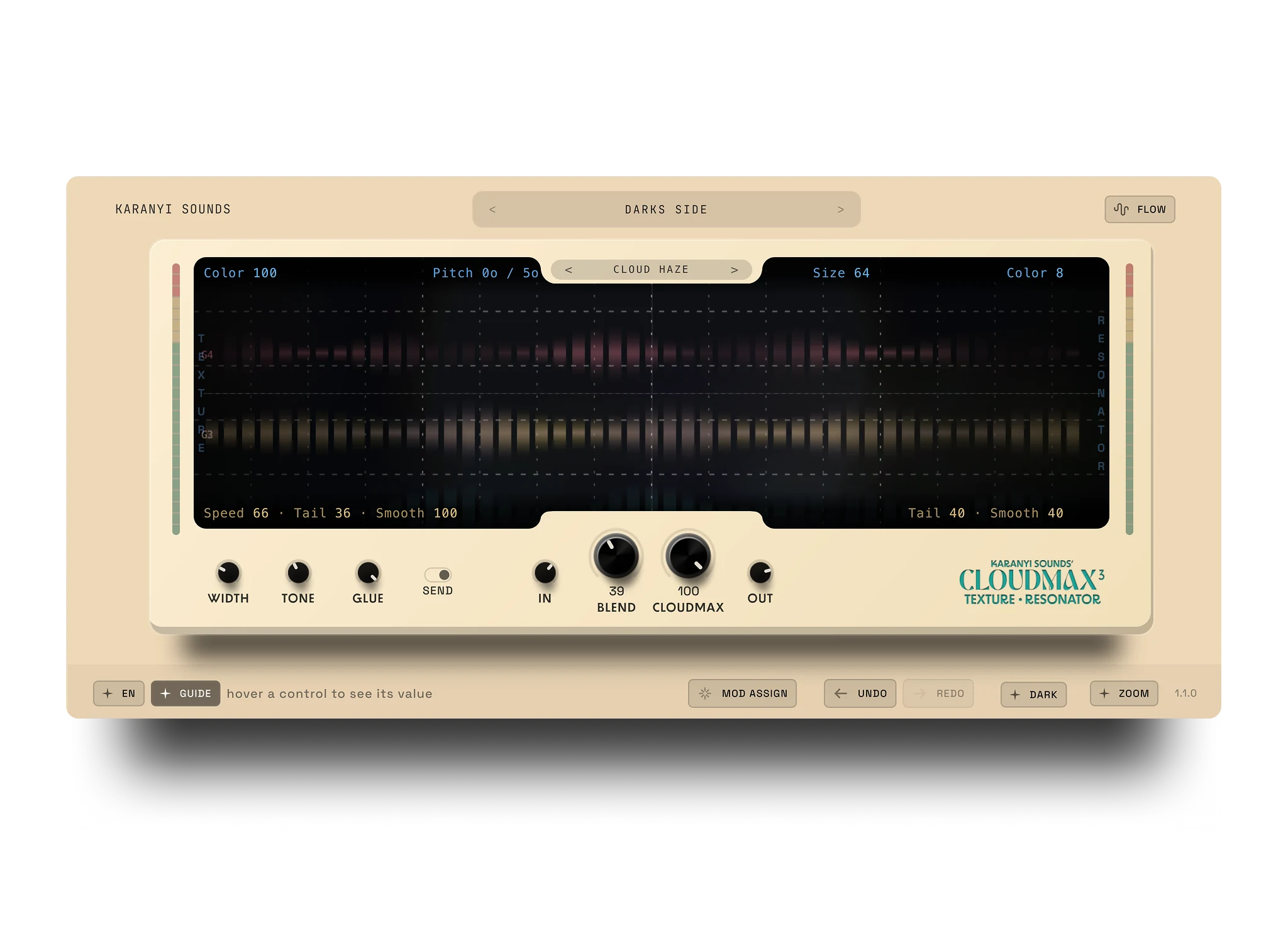
- Use vocal layers as texture. Hum, whisper, or speak lines into your phone and shape them with granular effects or heavy reverb, like Cloudmax 3. They don't need to be intelligible, just emotional.
Add Field Recordings for Emotional Context
Walk through your neighborhood, a nearby park, or even your kitchen with a portable recorder. A morning breeze, water boiling, birds in the distance, these small moments anchor a song emotionally. Layer them low in the mix to add realism and intimacy, and remind the listener that the music is part of the real world, not made in a vacuum.
Plugins Built for Lo-Fi
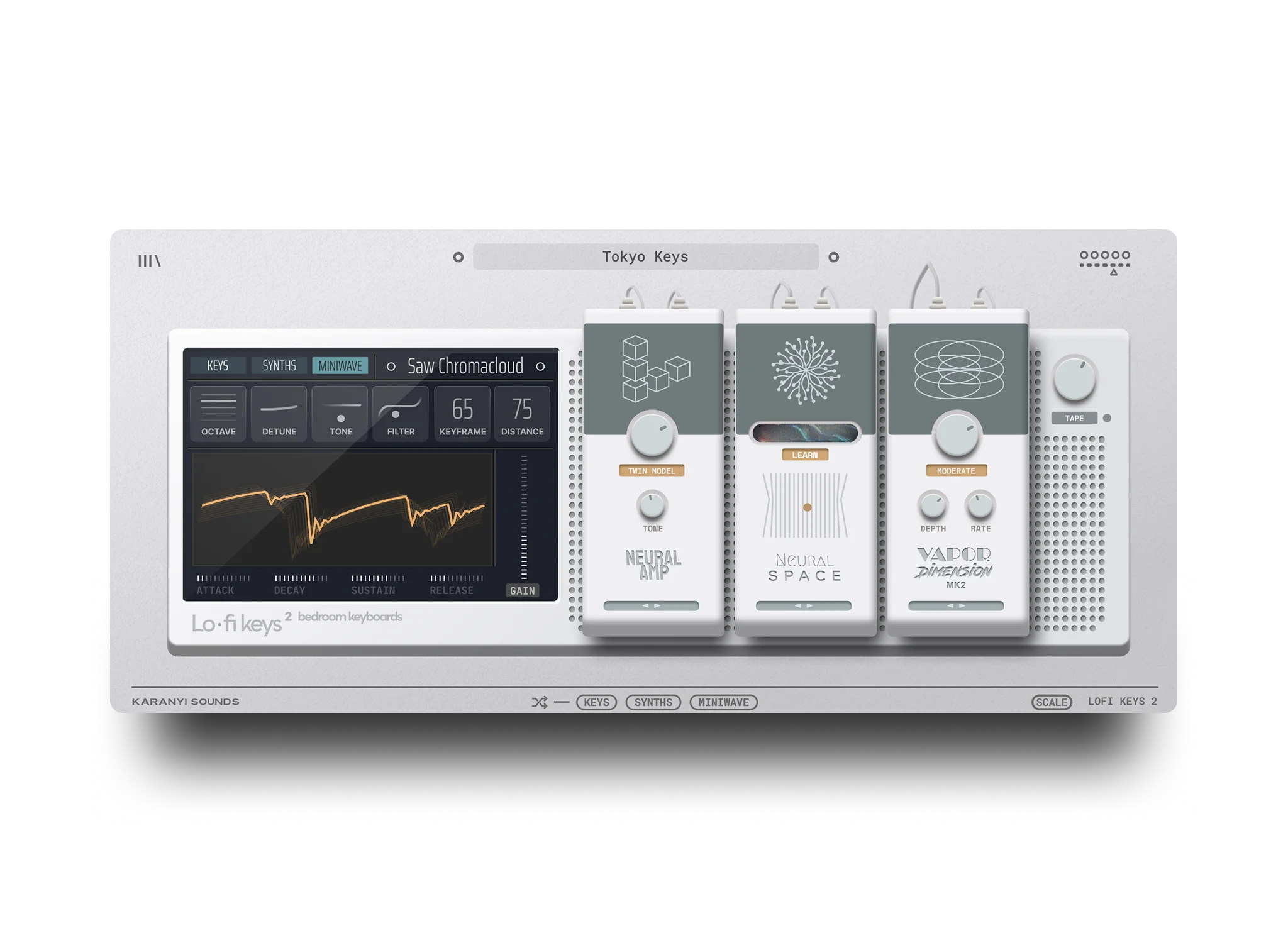
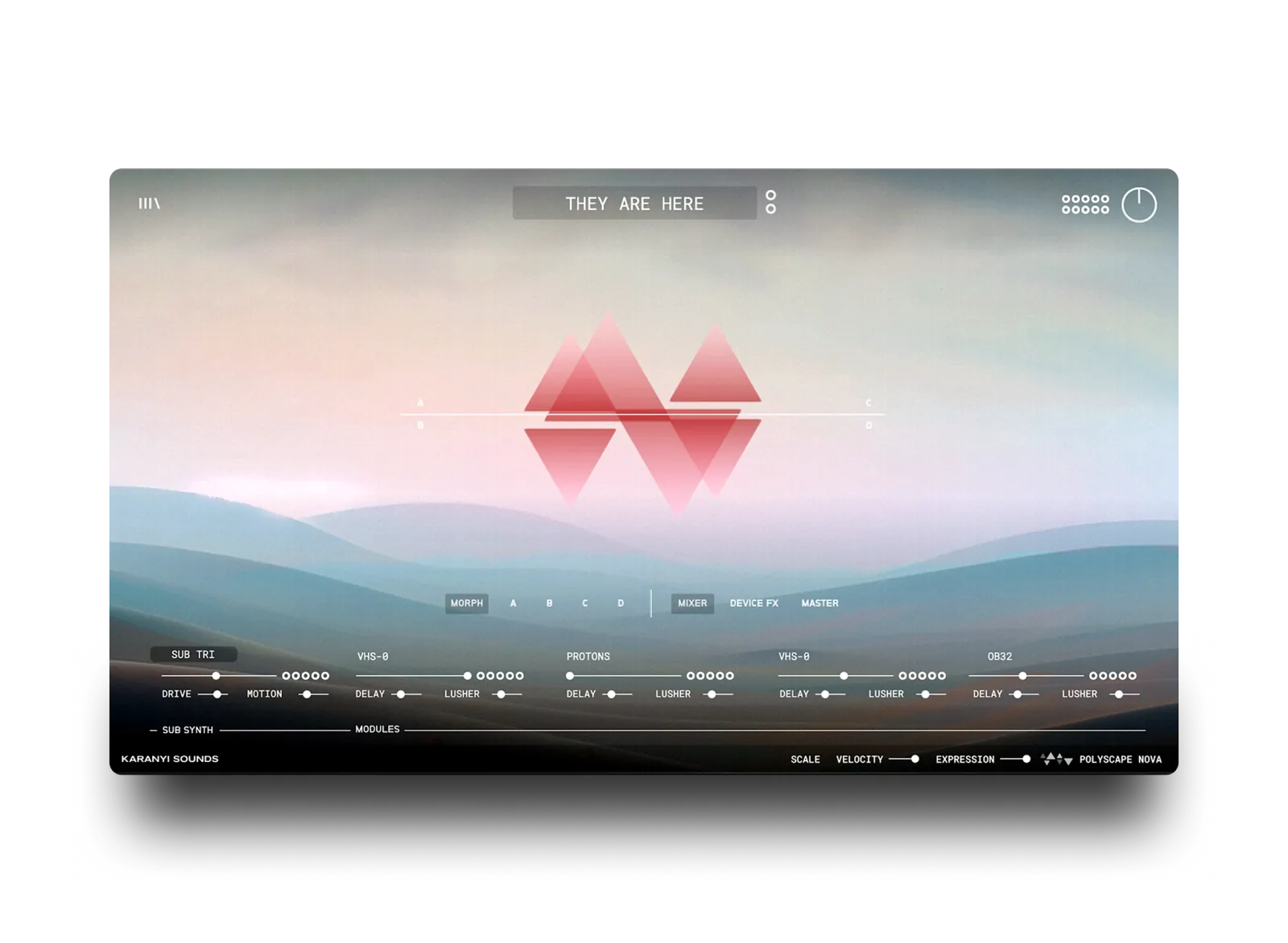
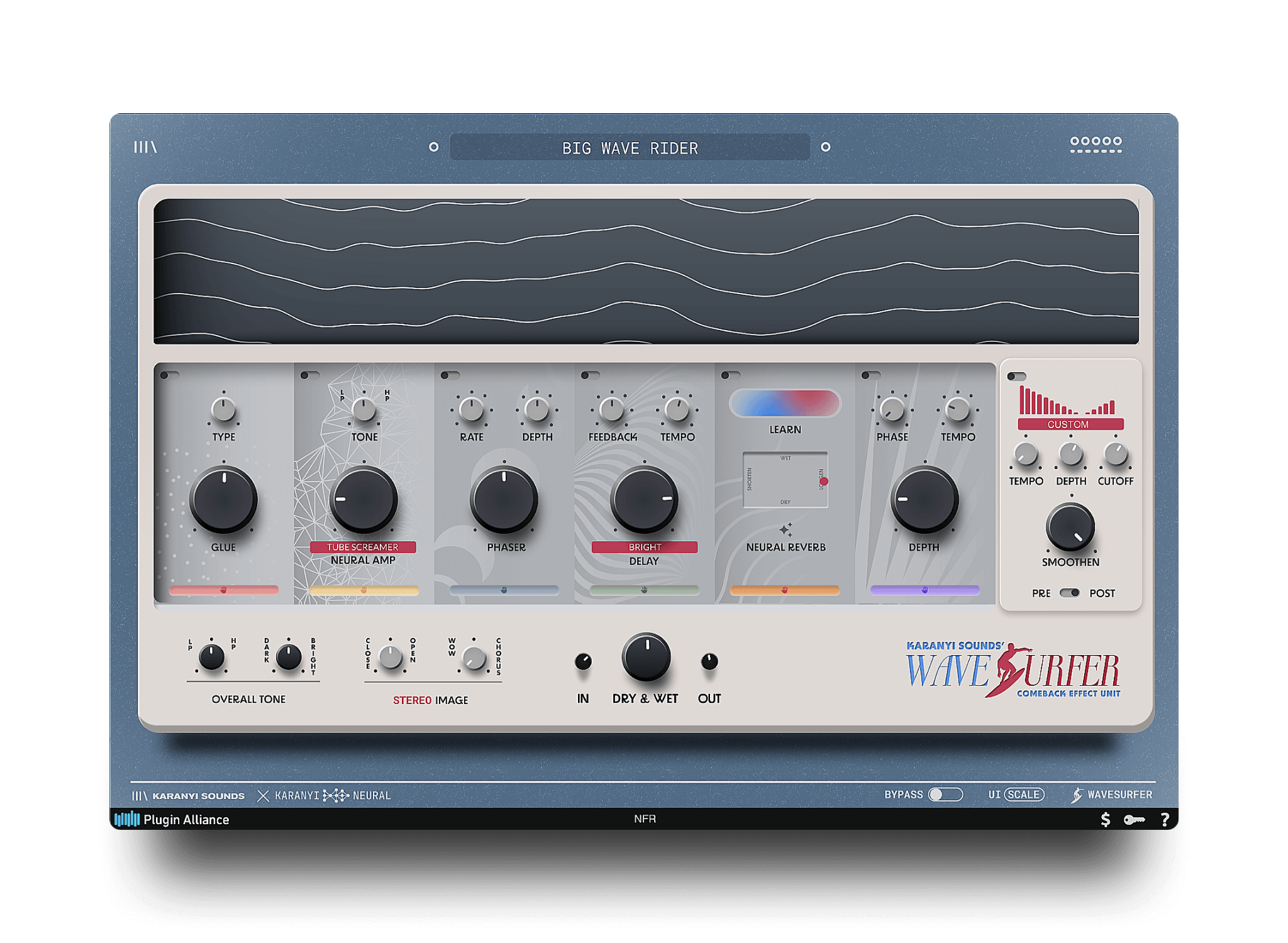
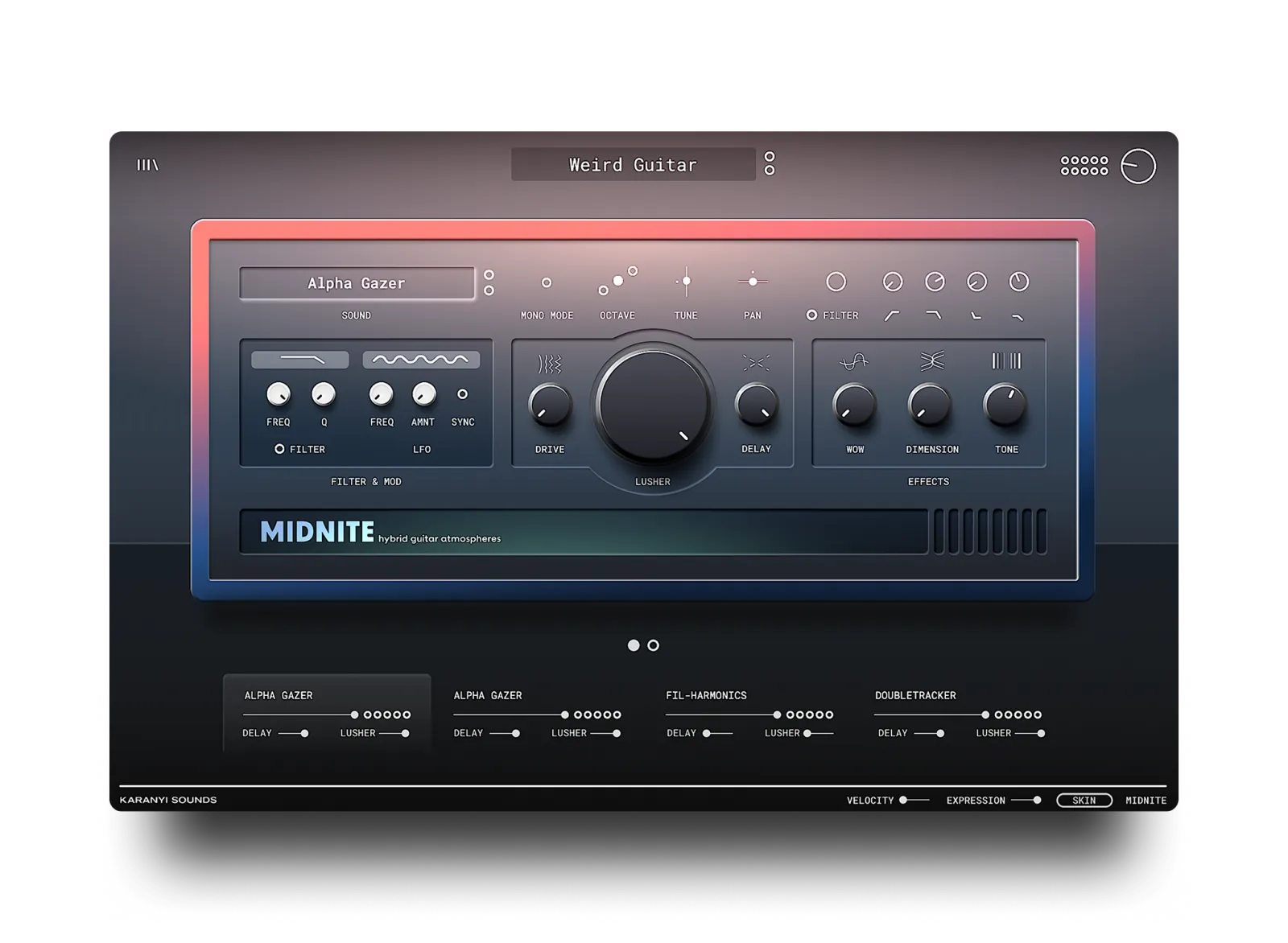
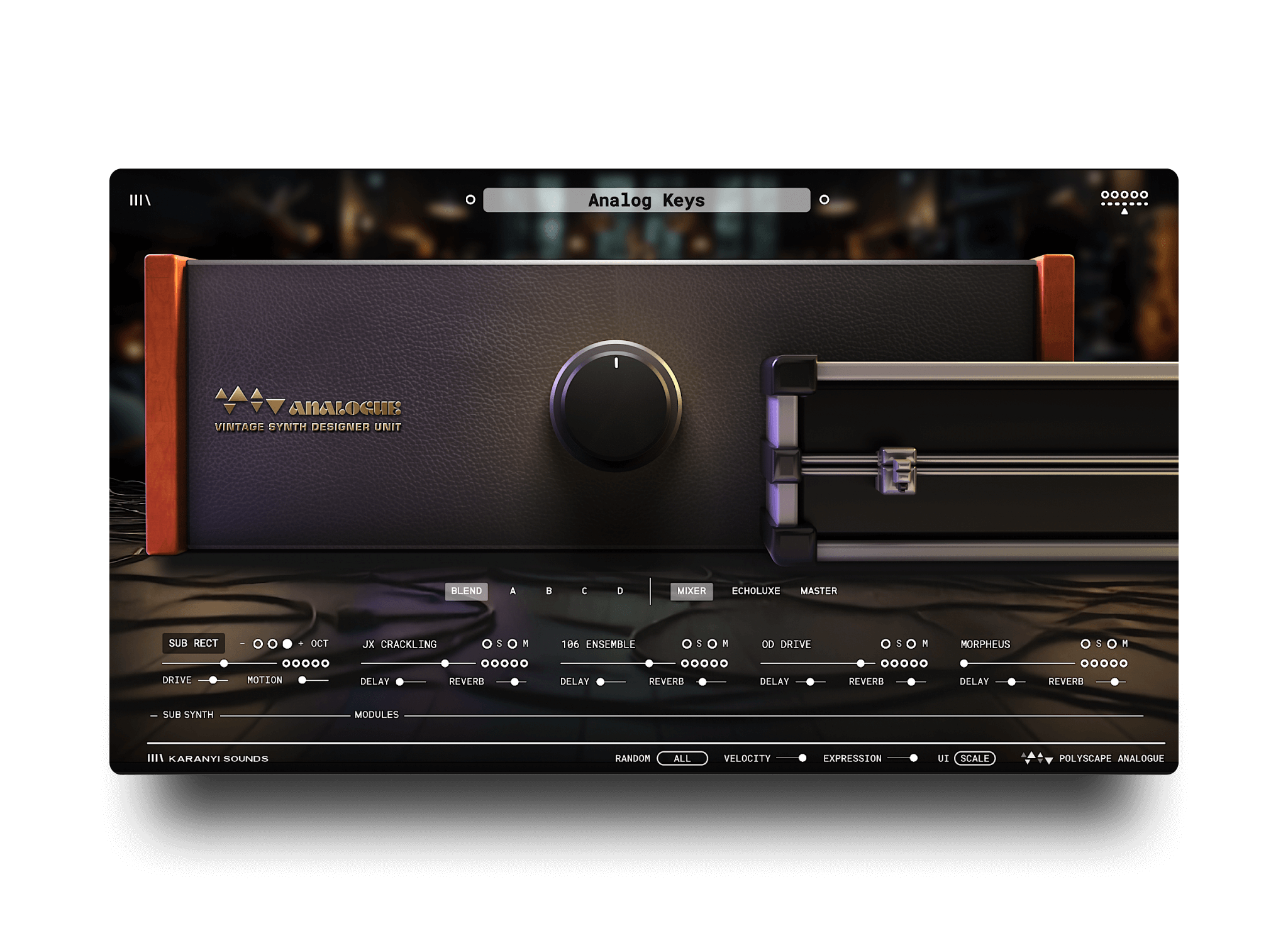
There's real value in building everything from scratch, but an instrument designed for lo-fi sound design can open up new creative paths and save time. Lofi Keys 2 is built around this exact idea: vintage sample playback, analog-style synths, and a custom wavetable engine called MiniWave, layered like a 3-oscillator synth with built-in vinyl noise, tape-style modulation, and dreamy reverb textures baked in. For noise, texture, and granular reverb work on vocals or found sounds, Cloudmax 3 handles the granular delay and reverb side of the process. Neither plugin replaces the techniques above, they just make them faster to reach. If you want a broader comparison of options in this space, see our roundup of lofi piano and keys plugins.
Final Thoughts
The art of lo-fi is about finding beauty in the broken, the aged, the raw. It's about feeling more than finesse. As a producer, it challenges you to listen differently, to prioritize mood, space, and intention over polish. Embrace the imperfections, chase the hiss, leave in the mistakes, and make something that feels real. For a deeper dive into getting the piano side of this sound right, read how to get a lofi piano sound in any DAW.
FAQ
What BPM is lo-fi music?
Most lo-fi tracks sit between 70 and 90 BPM. That range is slow enough to feel relaxed but still has enough motion for a beat to groove under it. Ambient and study-focused lo-fi often lean toward the lower end, around 70-80 BPM, while lo-fi hip-hop beats with a clearer drum pattern tend to sit closer to 85-90 BPM.
What plugins do I need to make lo-fi music?
You do not need any plugin to start, a DAW, a sampler and a noisy source (a phone mic, an old cassette, a field recording) are enough. An instrument built for the style, like Lofi Keys 2, speeds things up by giving you tape wobble, vinyl noise and detuned tones in one place instead of stacking several effects.
How do I add vinyl crackle without plugins?
Record a real source: play a vinyl record with the volume down, run a cheap contact mic over a cassette deck, or use a phone voice memo in a quiet room and boost the noise floor with a high-pass filter and some gain. Layer that noise under your track at a low level so it sits in the background instead of masking the music.
Is lo-fi hip-hop the same as lo-fi music?
They overlap but are not identical. Lo-fi hip-hop is a specific genre built on boom-bap style drums, jazzy chords and a chillhop groove, usually at 85-90 BPM. Lo-fi as a broader aesthetic, imperfect, warm, understated, shows up in ambient, indie, pop and experimental music at very different tempos and arrangements.
How much compression should I use on lo-fi tracks?
Use it lightly. Lo-fi relies on dynamic range to feel human, so gentle compression that rounds off peaks works better than heavy limiting that flattens everything. If a mix element sounds tired or ducked to the same volume as everything else, you have likely compressed past the point that suits the genre.
Want an instrument that already leans into this sound? Check out Lofi Keys 2.



1 comment
Patrick
Hello!
Loving my Cloudmax 2 which I bought a while back!
I’ve just downloaded the free Minipol (thank you for this btw!) but as I opened Logic I got an error message saying it couldn’t be opened as it could contain malware and the only option was to click “move to trash” right there from that window? I downloaded the Mac version, extracted the zip file, placed the AU component in the right location, yet this happened, not sure why? Any advice?
Thank you!
Leave a comment
This site is protected by hCaptcha and the hCaptcha Privacy Policy and Terms of Service apply.