
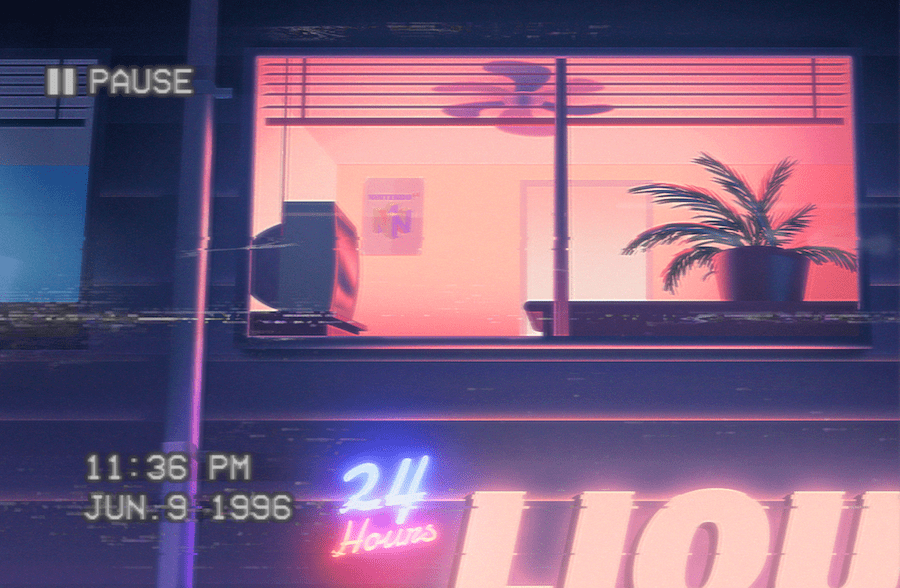
Vaporwave is built from slowed-down, heavily reverbed synth and sample sounds pulled from 80s and 90s pop, smooth jazz and mall music, usually sitting around 65-85 BPM. Chillwave is its warmer, song-based cousin: the same nostalgic palette, but with a beat you can nod to and a melody up front. Here is a practical path to both sounds, from source material to the effects chain that makes it click.
The birth of digital retro
Retrowave sounds have been making a comeback for years, riding the wave of renewed interest in 80s and 90s music. Atmospheric 80s synth work in film and video game scoring, in scores like Drive and games like Mirror's Edge, gave the aesthetic fresh momentum and pushed retro flavor into modern genres. Vaporwave grew out of that same nostalgia, but pointed it somewhere stranger and slower.
Vaporwave is an electronic music subgenre that combines 1980s-inspired synth sounds with modern production techniques to create a surreal listening experience. It has roots in late 1990s and early 2000s internet culture, when artists appropriated corporate logos and retro pixel art as album covers on blogs and early social platforms. Musically, it is known for a relaxed, "chill-wave" rhythmic feel: sounds often likened to 1980s synthpop, smooth jazz, R&B, lounge music and video game soundtracks. Vapor artists frequently sample directly from these genres and lean on other decade-specific references, from Japanese city pop to cyberpunk visuals.
Early adopters
The term "vaporwave" was coined by James Ferraro, and originally described not just music but a whole subculture of synth-based nostalgia for 1980s pop culture. Some of the earliest vaporwave tracks were posted to Tumblr and Reddit around 2010. One of them, "Chuck Person's Eccojams Vol. 1" by Oneohtrix Point Never (OPN), is widely considered the first vaporwave album.
How to sound "vapor"
Vaporwave is typically built by sampling and manipulating synthpop, synthwave and other synth-heavy music from the 80s and 90s. The results are usually marked by ethereal melodies, retro-futuristic tones, heavy use of (often obscure) sampling, loops with long delays or reverb, and heavily processed vocals that can be hard to make out. Instrumentation leans on synth pads, mallets, bells, electric pianos and guitar-style patches over a bed of ambient texture. Chillwave shares that palette but usually adds live or sampled distorted guitars, tape hiss and field recordings for extra warmth and grit, sitting somewhere between a vaporwave loop and an actual song.
Vaporwave's soft, atmospheric tone makes it a natural fit for scores that need to feel nostalgic, and its softer edges make it a good choice for setting an understated mood in film or game work, where synthwave would feel too aggressive.
8 tips for vaporwave and chillwave production
There are many ways to build that retro mood into your own tracks. Whether you want something historically accurate or a modern take on the sound, these are the moves that matter most:
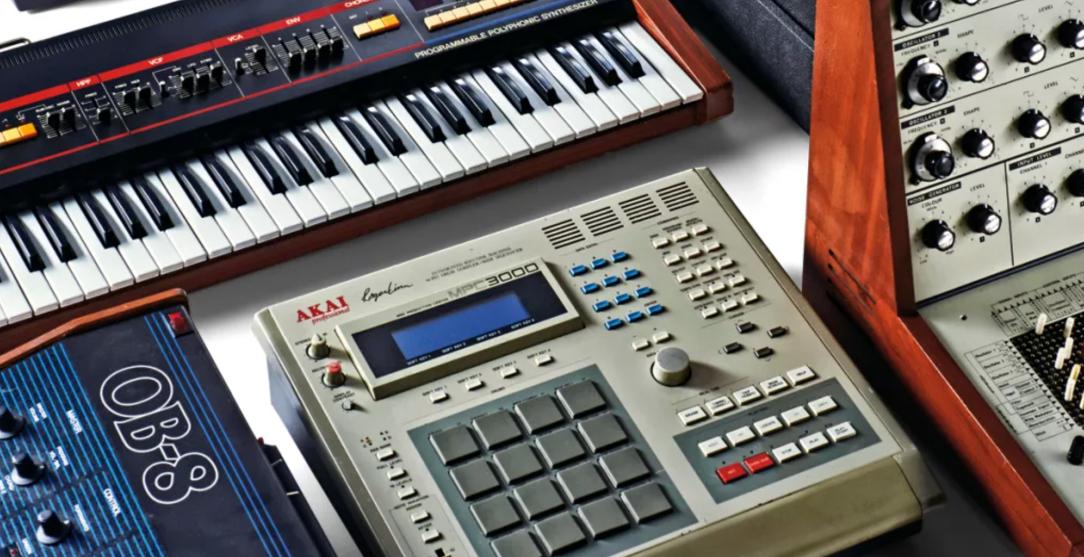
- Build a retro-futuristic sound palette: Japanese mallet or plucked tones played on early samplers or FM synths. Classic gear like the Yamaha DX7, Fairlight CMI, Korg M1 or Prophet 5 all point in the right direction.
- Resample analog synth and drum sounds from machines like the Casio CZ-101, Korg Polysix or Roland Juno-106, or any analog synth from the 80s or 90s, and bounce them down to 8-bit or 16-bit for grit.
- Play back your samples and themes at a much slower speed, whether that is drums, vocals, synths or full sampled sections. Dropping a source by 20-40% is a common starting point.
- Write soft-sounding pads and synth themes rather than sharp leads. Vaporwave lives in the mid and low-mid range, not the top.
- Build a nostalgic, ambient atmosphere with large reverbs and delays. If you want a deeper option than your DAW's stock reverb, our guide to ambient reverb plugins covers a few worth trying.
- Resample your bounces or run them through tape and cassette-style emulation plugins to add wow, flutter and saturation.
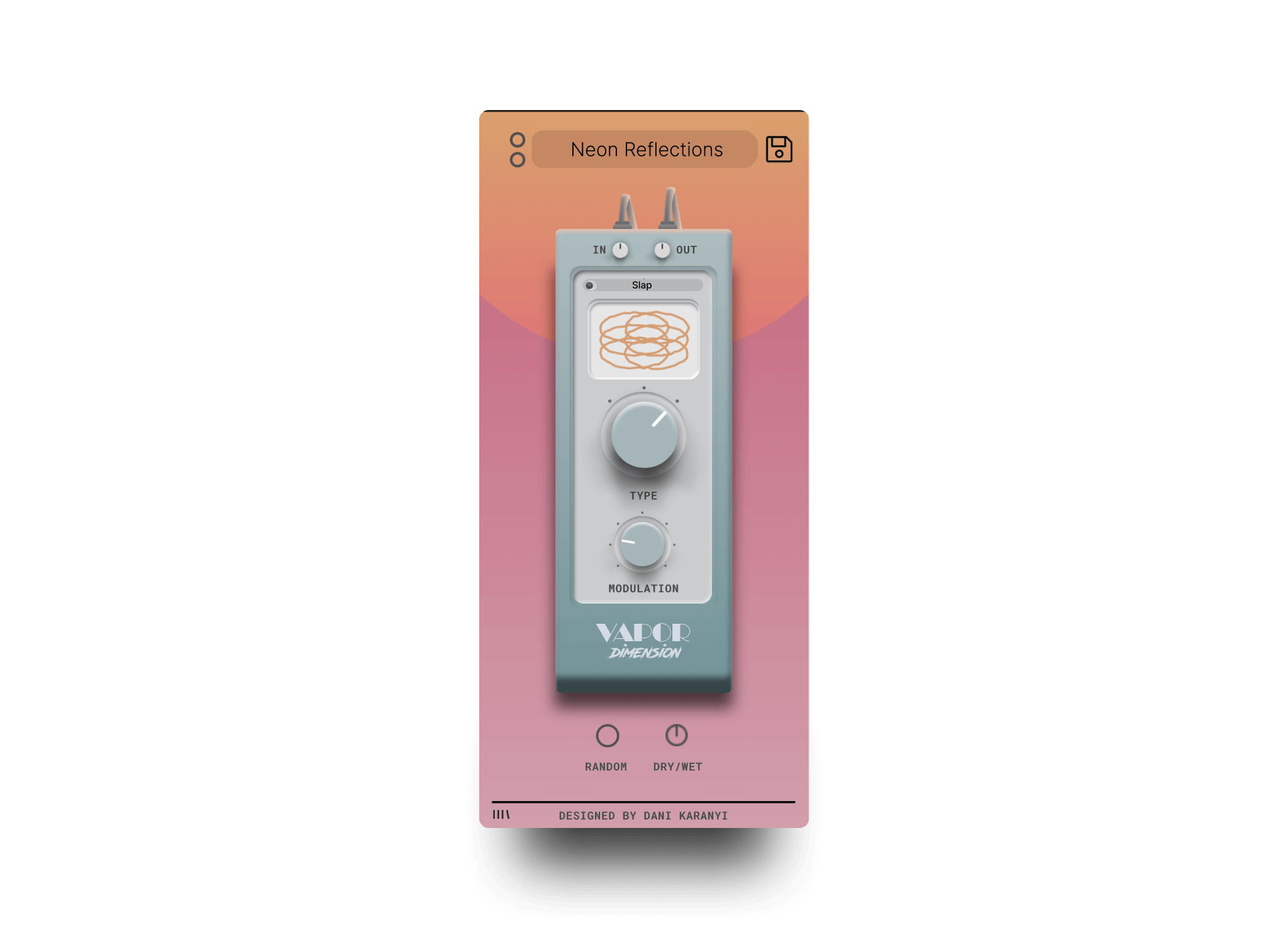
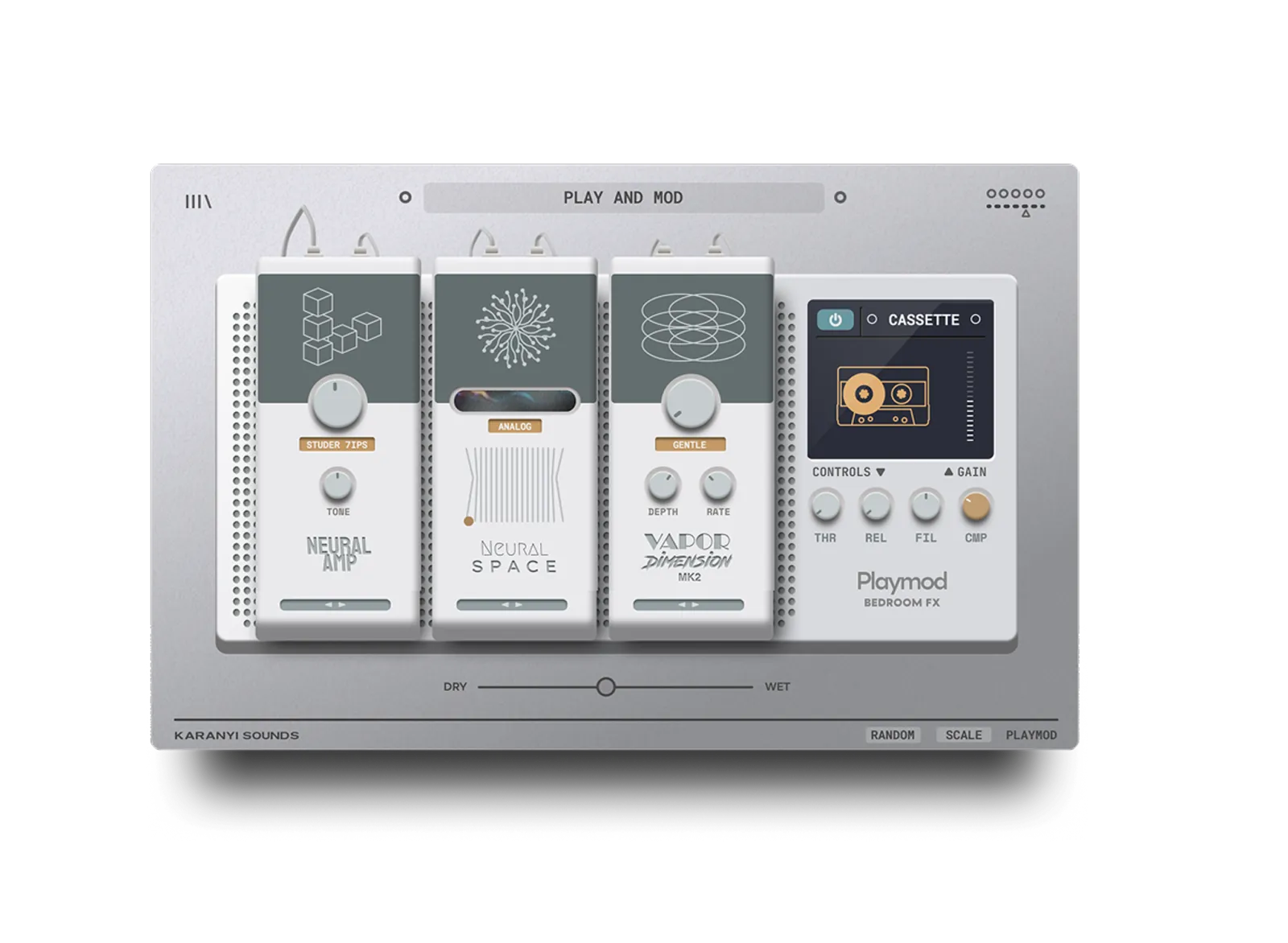
- Compress hard and let some artificial noise and hiss sit under the mix; a little chorus or phasing on top adds the "warped tape" wobble that ties a vapor mix together, which is the exact job a modulation effect like Vapor Dimension is built for.
- Roll off the extremes: cut bass below 100 Hz and treble above 8 kHz to push the sound behind glass, closer to a tape or muzak recording than a modern mix.
Create your own tunes
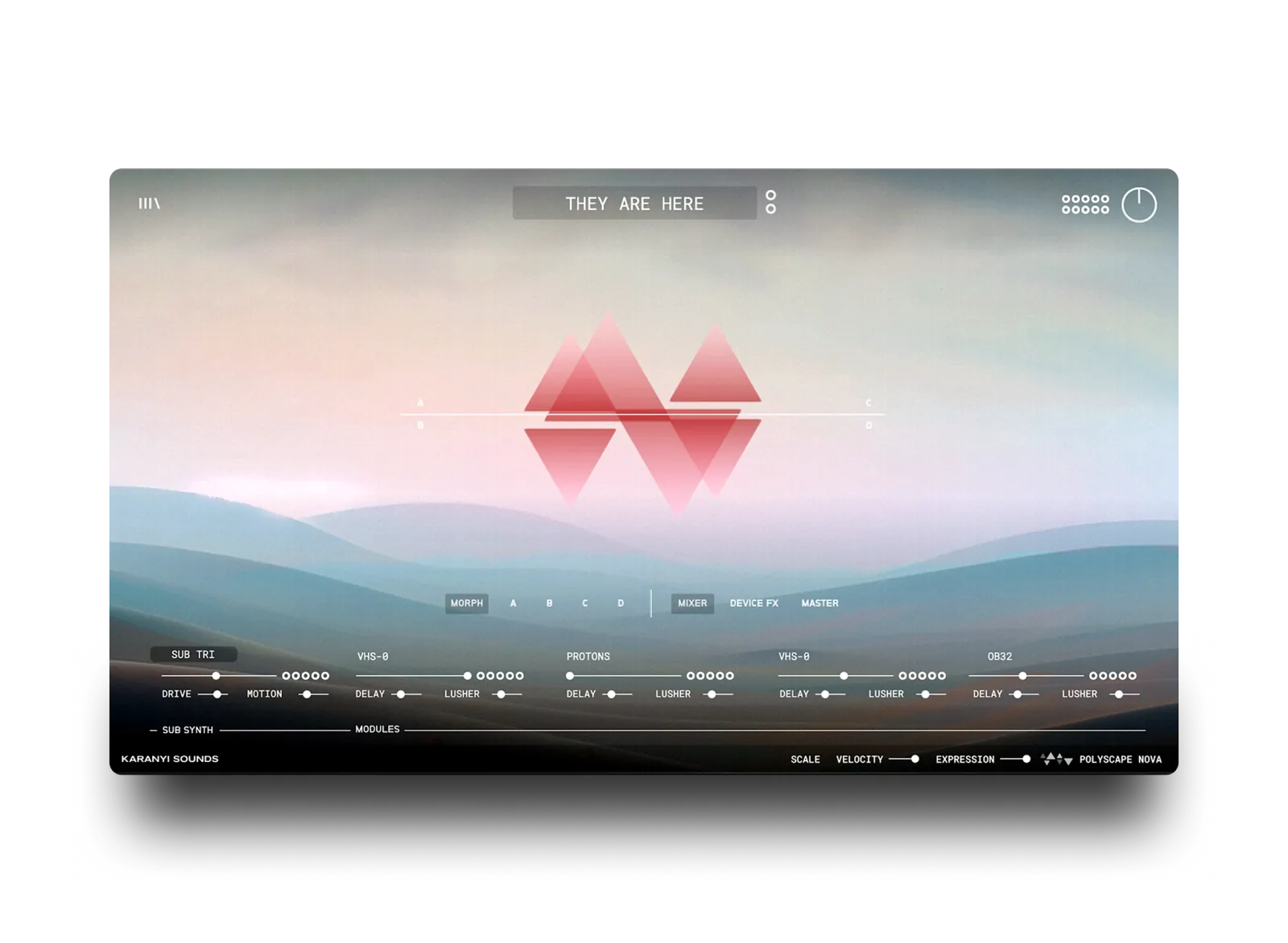
Got inspired? If you are looking for a quality soundset to shape your next track, Vapor Keys is a solid starting point. It is a dual-layer FM and ambient instrument with deep sample layering, detuned modulation and 100+ hand-crafted presets built for synthwave scores, melancholic piano textures and shimmering ambient vibes, the same territory this genre lives in. If your keys already sound close but the samples you are working from need that lofi electric piano feel first, our guide to getting a lofi piano sound is a good place to start.
For the modulation side of the sound, Vapor Dimension adds warm phasing and chorus movement modeled on classic hardware, with simple controls that get you to that "warped tape" character quickly, without digging through a rack of effects.
Explore Vapor Keys and Vapor Dimension to hear both in action.
FAQ
What BPM is vaporwave?
Most vaporwave sits around 65-85 BPM, noticeably slower than house, techno or pop. That slower tempo is part of what gives the genre its hazy, half-asleep feel, along with pitched-down samples and heavy reverb.
What is the difference between vaporwave and chillwave?
Vaporwave leans on chopped, pitched-down samples and loops with little traditional song structure, while chillwave is closer to a regular song, with live instruments, a clear melody and a beat built for listening rather than looping.
What effects define the vaporwave sound?
Long reverbs and delays, tape or cassette-style saturation, pitch instability (wow and flutter), and heavy low-pass filtering define the sound. Chorus or phasing on top adds the warped, underwater movement that separates vapor from plain synthwave.
Do I need original samples to make vaporwave?
No. Sampling old smooth jazz, muzak or synthpop is the traditional route, but you can build the same palette from scratch with an instrument that already leans retro, like an FM electric piano or ambient pad synth, then apply the same slow tempo and heavy effects.
What genres influence vaporwave the most?
Smooth jazz, 80s R&B, muzak and elevator music, synthpop and Japanese city pop are the main sources vaporwave draws from, usually chopped, slowed and soaked in reverb rather than sampled straight.
Ready to build your own hazy, retro-futuristic tracks? Check out Vapor Keys and start shaping the sound.



Leave a comment
This site is protected by hCaptcha and the hCaptcha Privacy Policy and Terms of Service apply.