
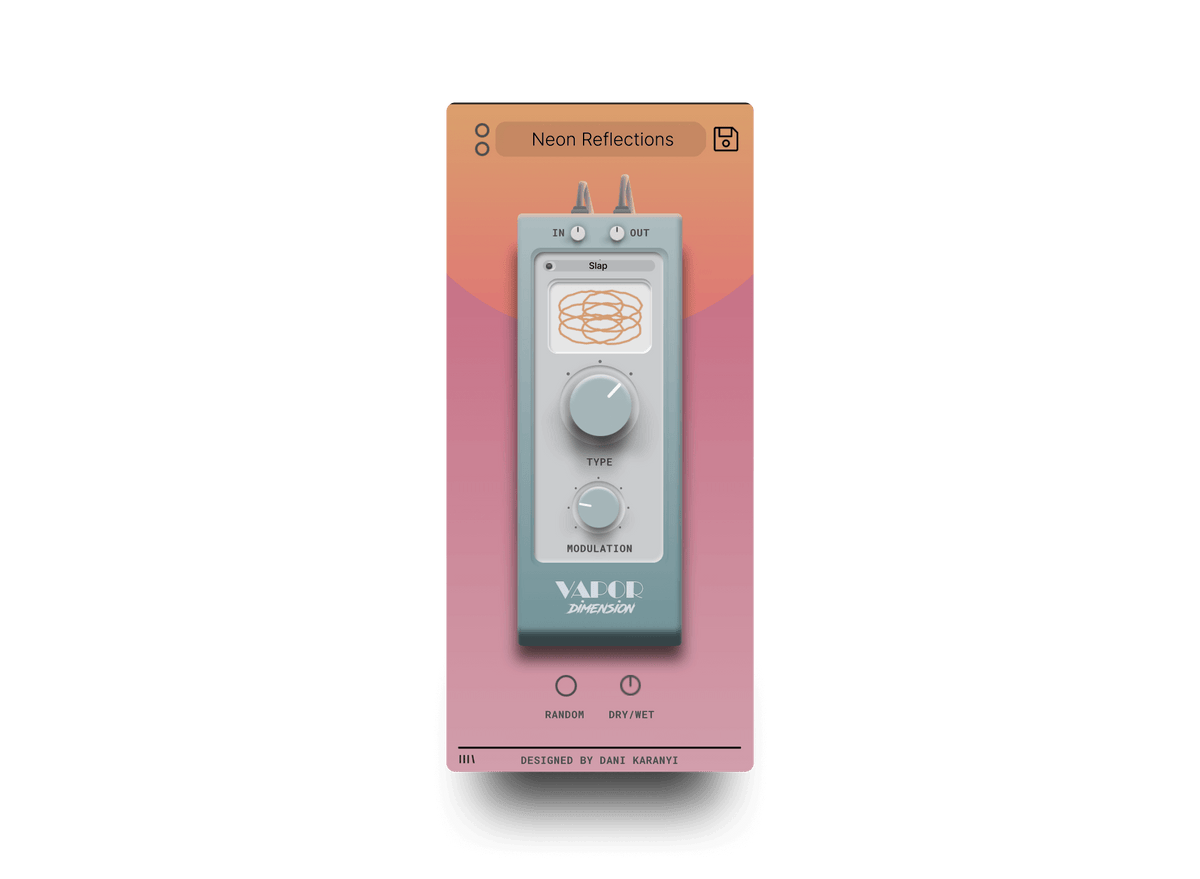
Chorus, flanger and phaser all mix a signal with a moving copy of itself, and the difference is how that copy is made. A chorus delays it by roughly 15 to 30 ms for a thicker, wider sound, a flanger uses 1 to 10 ms plus feedback for a metallic jet sweep, and a phaser swaps the delay for all-pass filters, which gives a softer swirl.
That is the whole chorus vs phaser vs flanger question in 2 sentences. The rest of this page covers what each one does to a real part, which one to reach for on keys, guitar, pads and vocals, and where to set rate and depth before you start tweaking.
| Effect | How it works | Sounds like | Reach for it when |
|---|---|---|---|
| Chorus | Copy delayed about 15 to 30 ms, delay time moved by an LFO | Thicker, wider, slightly detuned | A part sounds thin or too static |
| Flanger | Copy delayed about 1 to 10 ms, usually with feedback | Hollow, metallic, jet-like sweep | You want an obvious, dramatic effect |
| Phaser | Copy run through all-pass filters, no delay line | Soft, vocal-like swirl | You want movement without detune |
What does a chorus do?
A chorus makes 1 sound behave like several players at once. It copies the signal, delays the copy by about 15 to 30 ms and lets a slow LFO move that delay time, which bends the pitch of the copy slightly up and down. Mixed with the dry signal you hear thickness and width, not a separate echo. It is the mellowest of the 3 effects.
What does a flanger do?
A flanger creates a sweeping comb filter. It works like a chorus, but the delay is much shorter, about 1 to 10 ms, so the copy cancels and reinforces the dry signal at evenly spaced frequencies. As the LFO moves the delay, those notches sweep up and down. Feedback makes the sweep sharper and more metallic, which is the classic jet plane sound.
What does a phaser do?
A phaser sweeps a small number of notches through the spectrum without using a delay line. The copy goes through a chain of all-pass filters that shift its phase, and where it meets the dry signal out of phase, a notch appears. Fewer, unevenly spaced notches make it sound softer and more vocal than a flanger. More filter stages mean more notches and a deeper effect.
Chorus vs phaser: which one for keys and pads?
Use chorus when the part needs width and size, and phaser when it needs motion. Chorus on a plain saw pad or an electric piano gives the wide, slightly detuned sound of 80s polysynths. A slow phaser on a Rhodes-style part or a sustained pad adds a turning, breathing movement and keeps the pitch stable. On long chords, try the phaser first: it stays out of the way of the tuning.
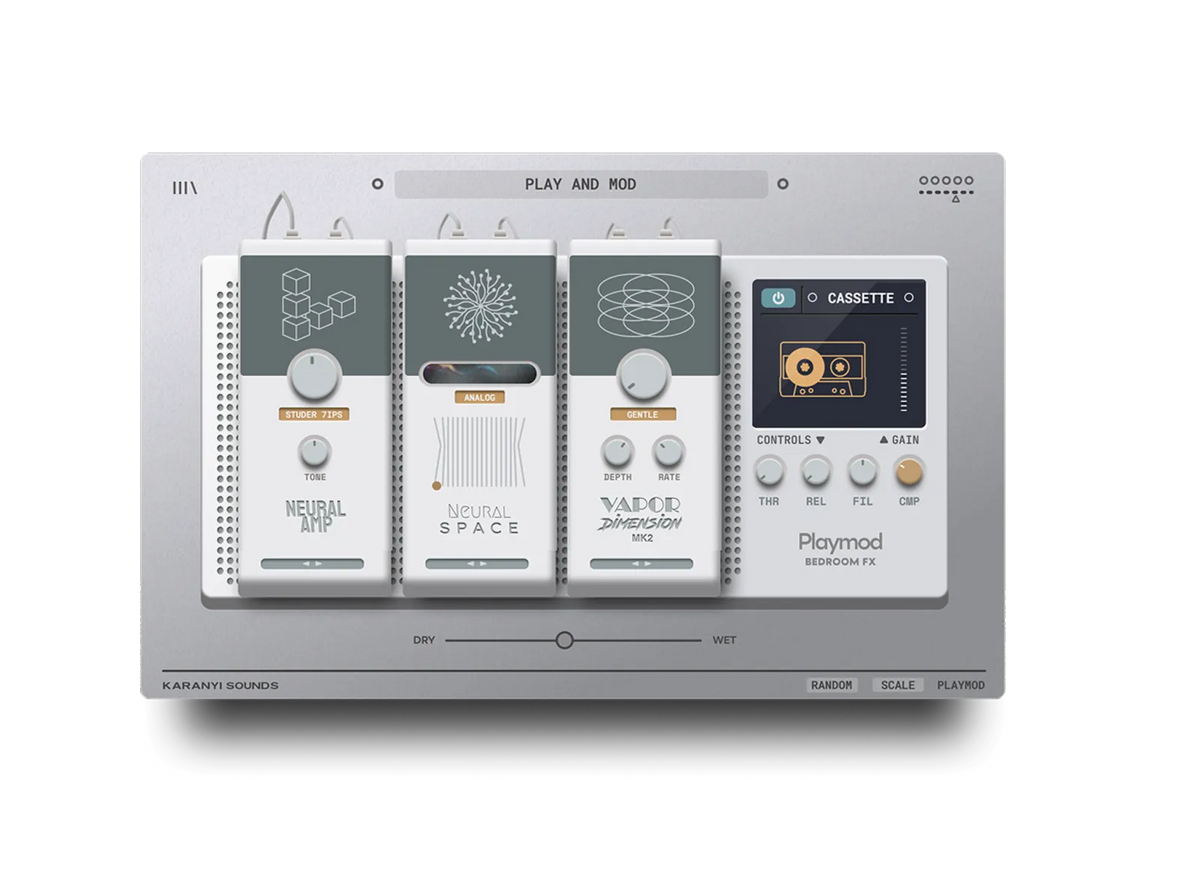
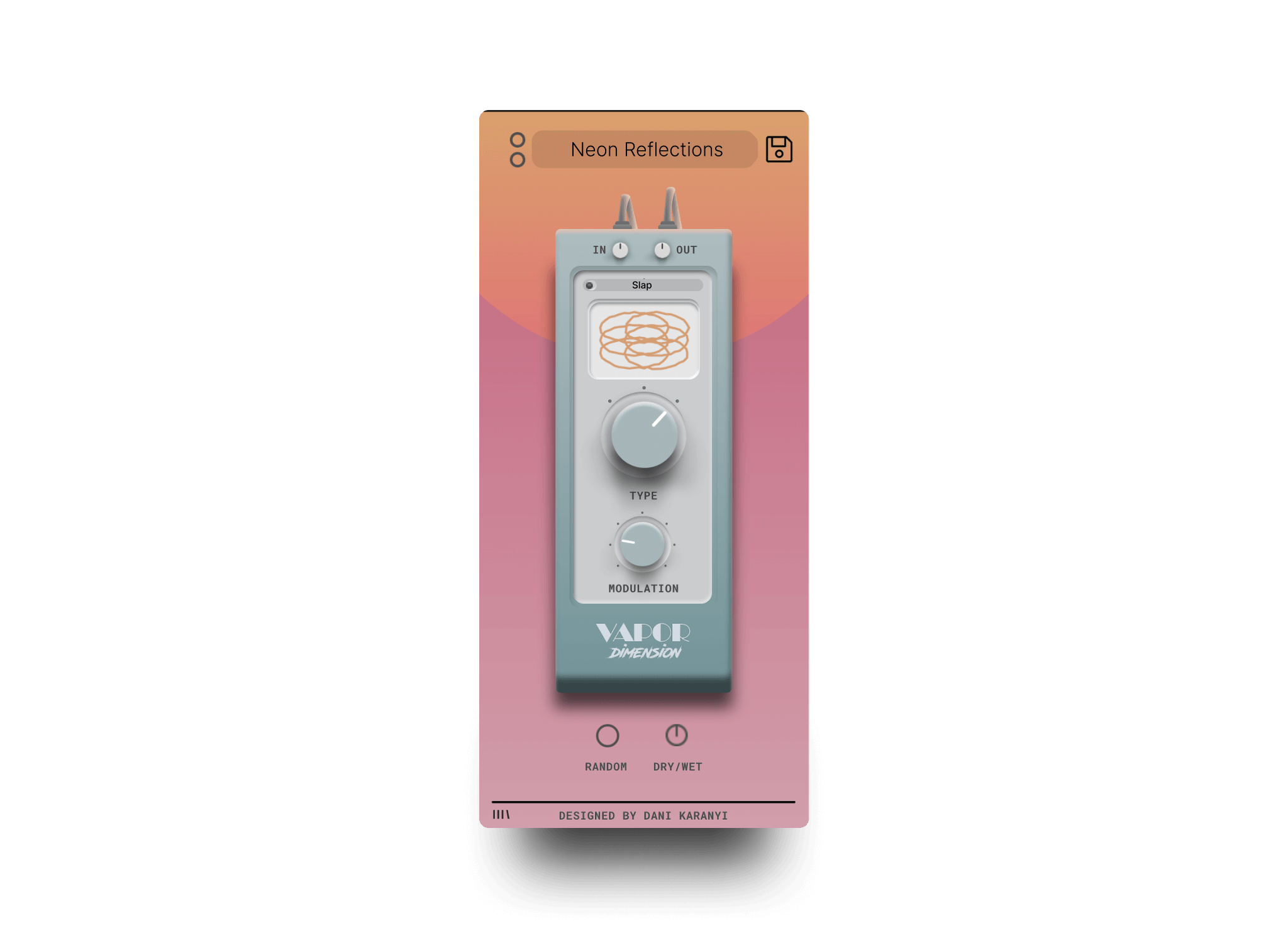
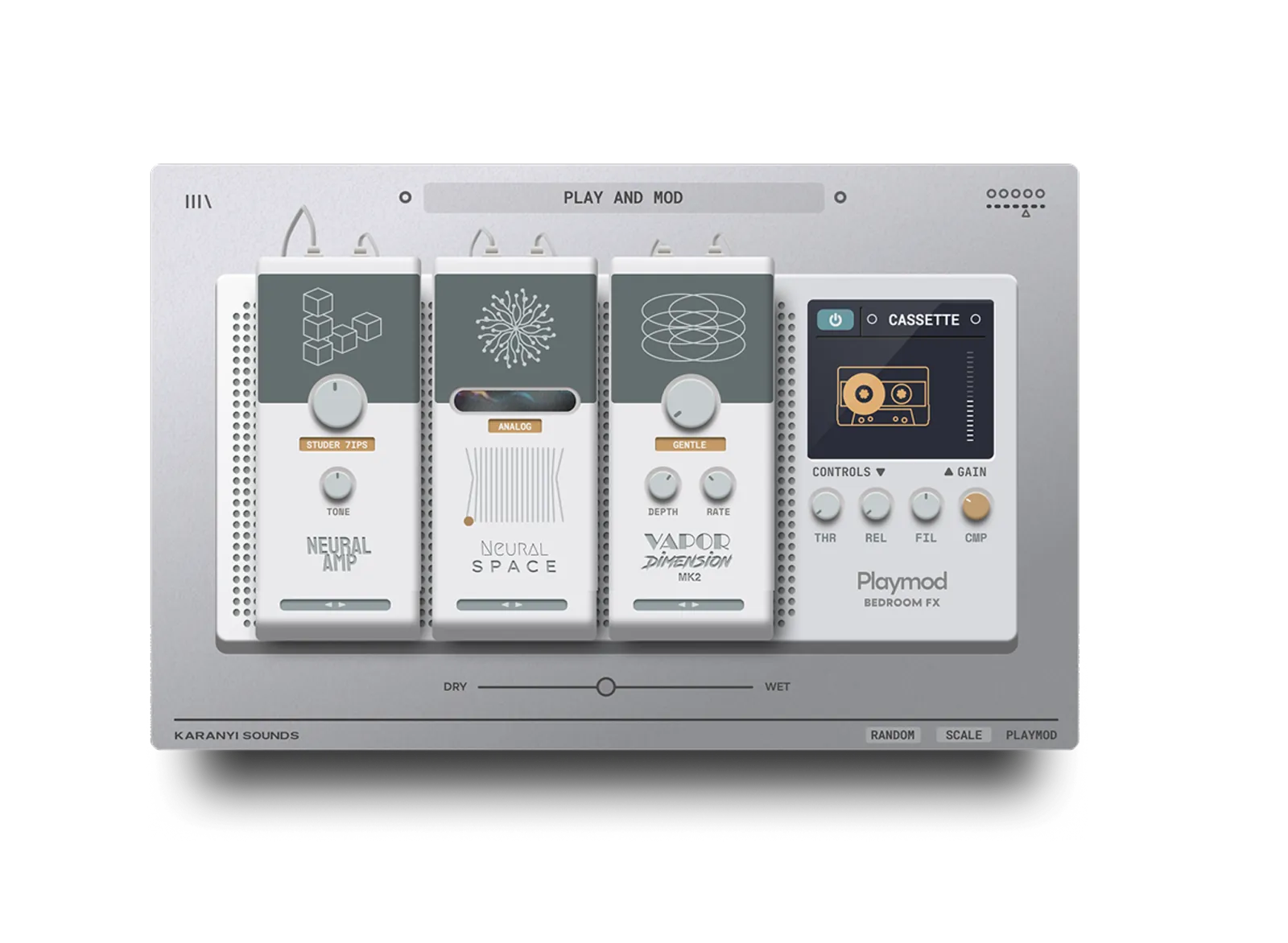
This is the territory Vapor Dimension covers: a modulation effect that adds warm phasing and chorus movements inspired by classic hardware, with simple controls so you get to the right character quickly. It pairs naturally with FM keys like Vapor Keys, and it is the kind of movement behind the washed-out chords in our vaporwave production guide.
Which one works best on guitar?
Chorus suits clean guitars, phaser suits rhythm parts, and flanger suits moments. Chorus on clean arpeggios gives the glassy 80s tone. A slow phaser on funk chords or a crunchy riff adds motion without blurring the pick attack. Flanger is the loudest statement of the 3, so it usually works better on a single section, a fill or a transition than across a whole song.
Which one should I use on vocals?
On a lead vocal, a subtle chorus is the safe choice and a flanger is a special effect. Keep chorus mix low, around 10 to 20%, or put it on a send so the dry vocal stays in front. It thickens doubles and backing vocals very well. Phaser works on ad-libs and breakdown lines. Heavy modulation on the main vocal makes lyrics harder to follow.
What rate and depth should I start with?
Start slow and shallow, then raise depth until you notice it and back off a little. Useful starting points:
- Chorus: rate 0.3 to 1 Hz, depth 20 to 40%, mix 30 to 50% on an insert.
- Phaser: rate 0.1 to 0.5 Hz, or synced to 1 or 2 bars, depth around 50%, low feedback.
- Flanger: rate 0.1 to 0.3 Hz, feedback 30 to 50%, mix near 50% for the deepest notches.
Fast rates with high depth turn into vibrato and seasick pitch wobble. That can be the goal, but it should be a decision.
Do chorus, phaser and flanger cause mono problems?
They can, and wide stereo chorus is the usual suspect. Many stereo modes get their width by modulating left and right in opposite directions, and when the channels are summed to mono, part of the effect cancels. The part gets quieter or thinner on a phone speaker or a club system. Check in mono before you commit, lower the width or mix if it collapses, and keep bass and kick dry.
FAQ
Is a flanger just a chorus with a shorter delay?
Mostly, yes. Both mix the signal with a copy whose delay time is moved by an LFO. A flanger uses a much shorter delay and usually adds feedback, which turns gentle detune into a sweeping, metallic comb filter.
Which is the most subtle: chorus, phaser or flanger?
At gentle settings a slow phaser is the least intrusive, because it does not detune the sound. Chorus is the mellowest in character but adds audible pitch movement. Flanger is the most obvious of the 3.
Can I use chorus and phaser together?
Yes. A common order is phaser first, then chorus, so the chorus widens the sweep. Keep both slow and at different rates, and lower the mix on each. 2 deep modulation effects on 1 part quickly sound smeared.
Should modulation go before or after reverb?
Before the reverb is the default: the reverb then smooths the movement and the part stays clear. Modulation after the reverb moves the whole tail, which sounds bigger and more obvious. Try that on pads and ambient parts.
Next step
If you want to compare specific tools, our roundup of the best chorus and phaser plugins in 2026 covers who each one is for. And if you want warm chorus and phasing with very little setup, take a look at Vapor Dimension and try it on the next pad or keys part that sounds too static.

Leave a comment
This site is protected by hCaptcha and the hCaptcha Privacy Policy and Terms of Service apply.