
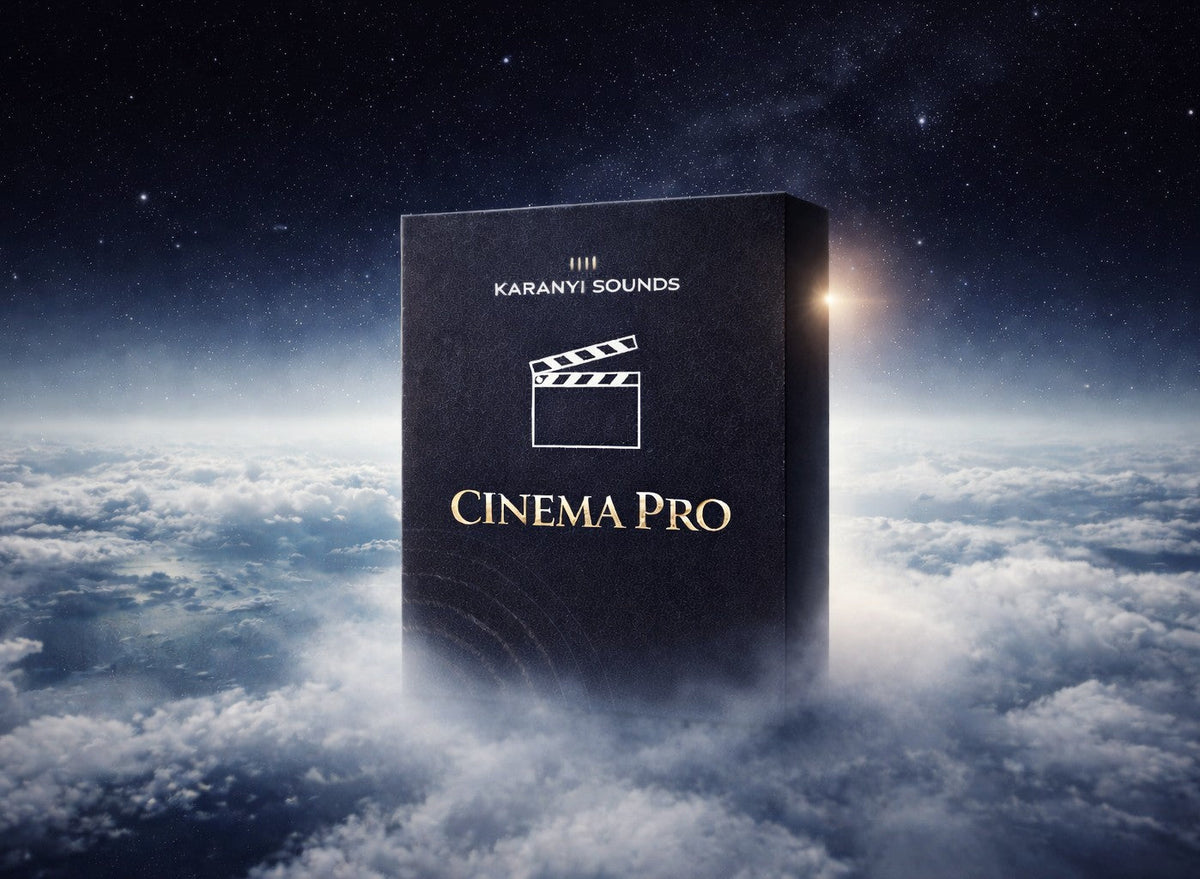
The best cinematic instrument plugins for atmosphere and tension in 2026 are Spectrasonics Omnisphere 3, Heavyocity Gravity 2, Karanyi Sounds Cinema Pro, Output Signal, Output Analog Strings and u-he Zebra Legacy. None of them is an orchestral library: each one is built to make the dark beds, pulses, swells and textures that sit under a scene and tell the audience how to feel.
This list skips full orchestral sample libraries on purpose. If you already have strings, brass and percussion covered and you need the layer that makes a cue feel uneasy, hopeful or huge, these are the tools that do that job. Prices below were checked on each developer's own site for this article. They change often (sales are common), so check the product page before you buy.
What makes a cinematic instrument useful for scoring
For film and game work, 3 things matter more than the size of the sample library. First, speed: can you get from an empty track to a usable tension bed in a few minutes? Second, movement: does the sound evolve on its own over a 30-second hold, or do you have to automate everything by hand? Third, how it sits under dialogue and sound effects: the best atmospheric instruments leave room in the midrange instead of fighting the voice.
Also check the format. Some of the picks below run inside Native Instruments Kontakt, others are native VST3, AU or AAX plugins. If you do not want another sampler in your template, that alone narrows the list.
Quick comparison
| Plugin | Best for | Format | Price |
|---|---|---|---|
| Spectrasonics Omnisphere 3 | Deep, all-round sound design | Standalone, VST3/AU/AAX | $499 |
| Heavyocity Gravity 2 | Ready-made pads, pulses, risers and hits | Kontakt 7.6 or later | $449 list, often on sale |
| Karanyi Sounds Cinema Pro | Dark atmospheres and emotional textures on a small budget | Native plugins, any DAW | $34 at the time of writing (list $149) |
| Output Signal | Tempo-synced tension pulses | Kontakt 5.8.1 or later | $199 |
| Output Analog Strings | Hybrid string pads and swells | Kontakt | $199 |
| u-he Zebra Legacy | Programming your own dark synth sounds | Plugin | 99 € |
The best cinematic instrument plugins in 2026
1. Spectrasonics Omnisphere 3
Omnisphere is the synth a lot of media composers reach for first, and version 3 adds Quadzone synthesis, 36 new filter types, granular synthesis, a polyphonic dual frequency shifter and the Orb and Patch Mutations for generating variations of a patch. It ships as a standalone app and as a VST, AU and AAX plugin.
Who it is for: composers who want one instrument that covers pads, drones, pulses and strange hybrid sounds. Strength: depth. You will not run out of material. Limitation: that depth costs time and money: it is the most expensive single instrument here, and finding the right sound in a huge library can slow you down on a deadline. Price: $499 for a new license on the Spectrasonics webstore.
2. Heavyocity Gravity 2
Gravity 2 is a scoring toolkit rather than a synth. Its content is split into tonal, atonal and modal textures (atonal is the folder for eerie atmospheres), 144 tempo-synced rhythmic pedals, 324 transitions (reverses, swells and risers), 144 hits with separate sub, mid and tail layers, 252 stings and 600+ presets.
Who it is for: trailer, game and TV composers who need the whole tension vocabulary in one place. Strength: everything is already designed and tempo-synced, so a cue comes together fast. Limitation: it needs Kontakt 7.6 or later, and because the sounds arrive finished, you will want to process them to avoid sounding like every other trailer. Price: $449 list. The Heavyocity site showed it at $249 when we checked.
3. Karanyi Sounds Cinema Pro
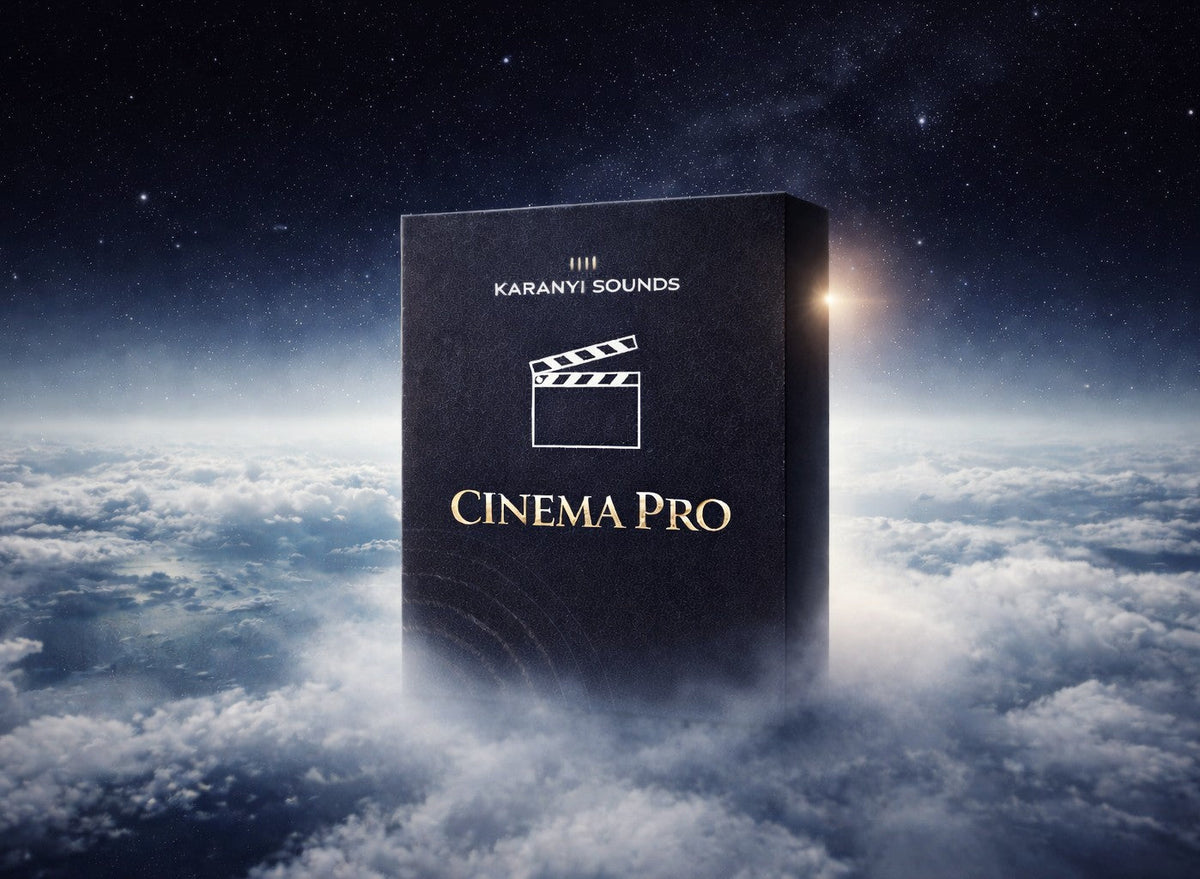
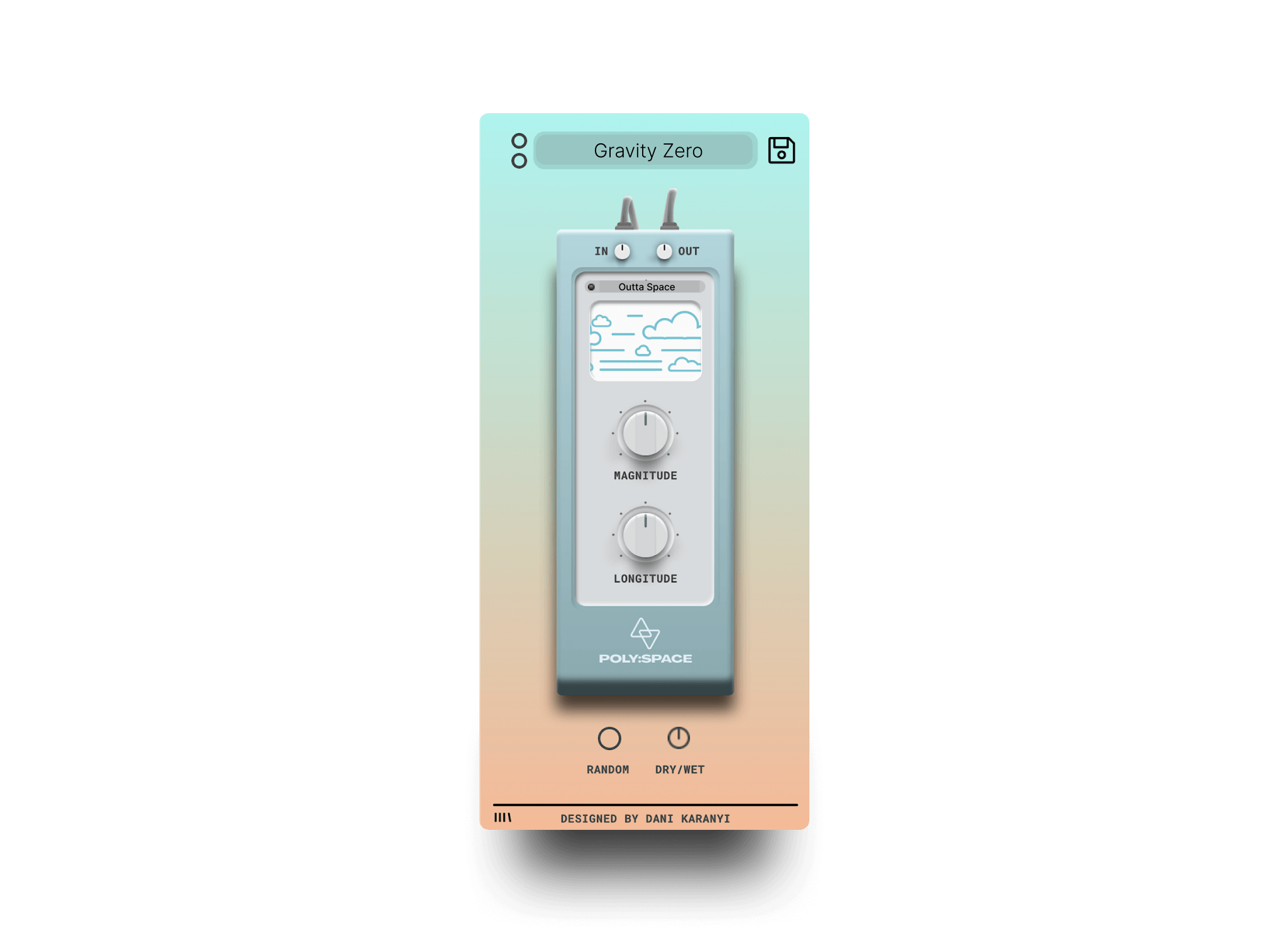
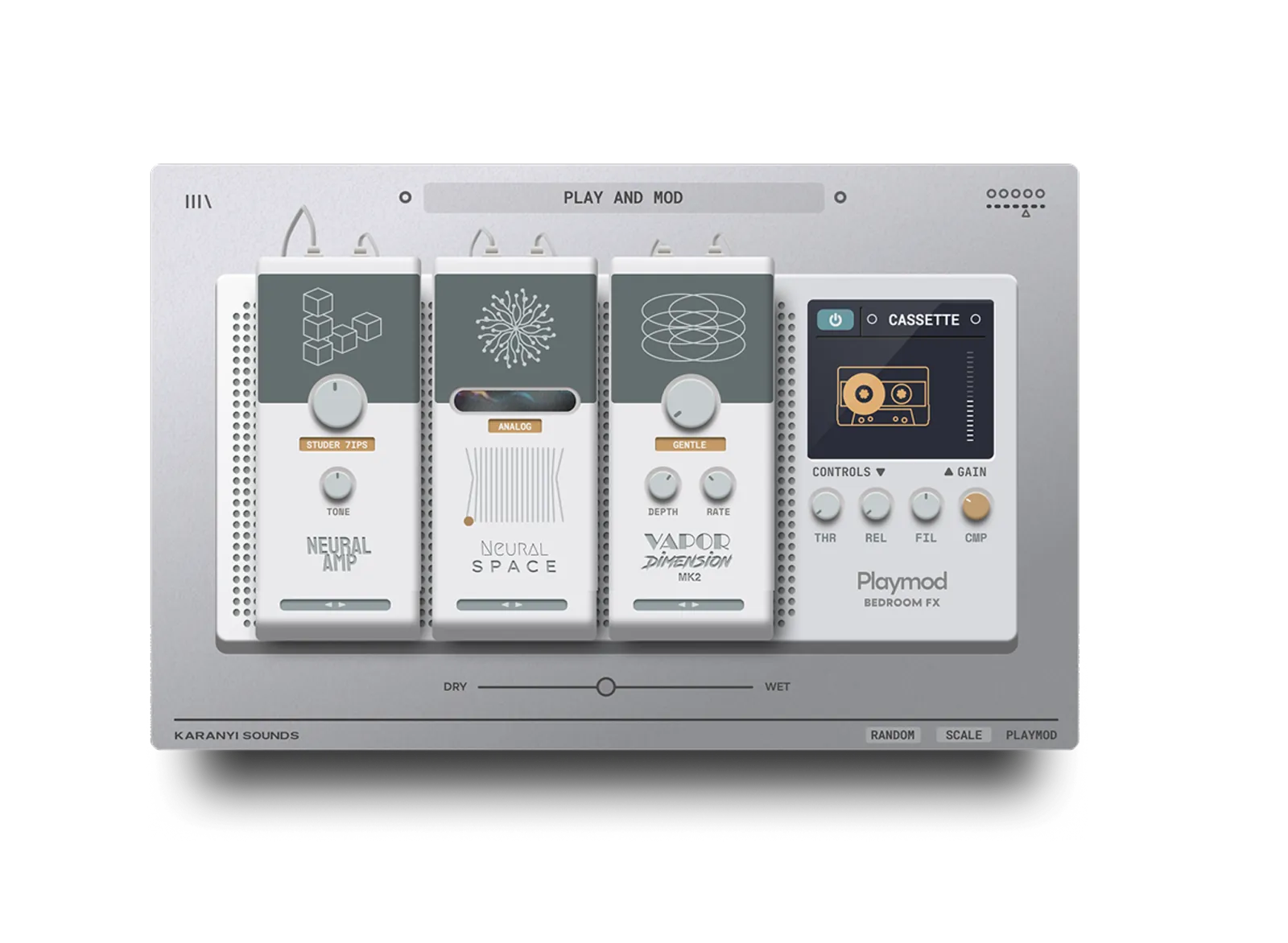
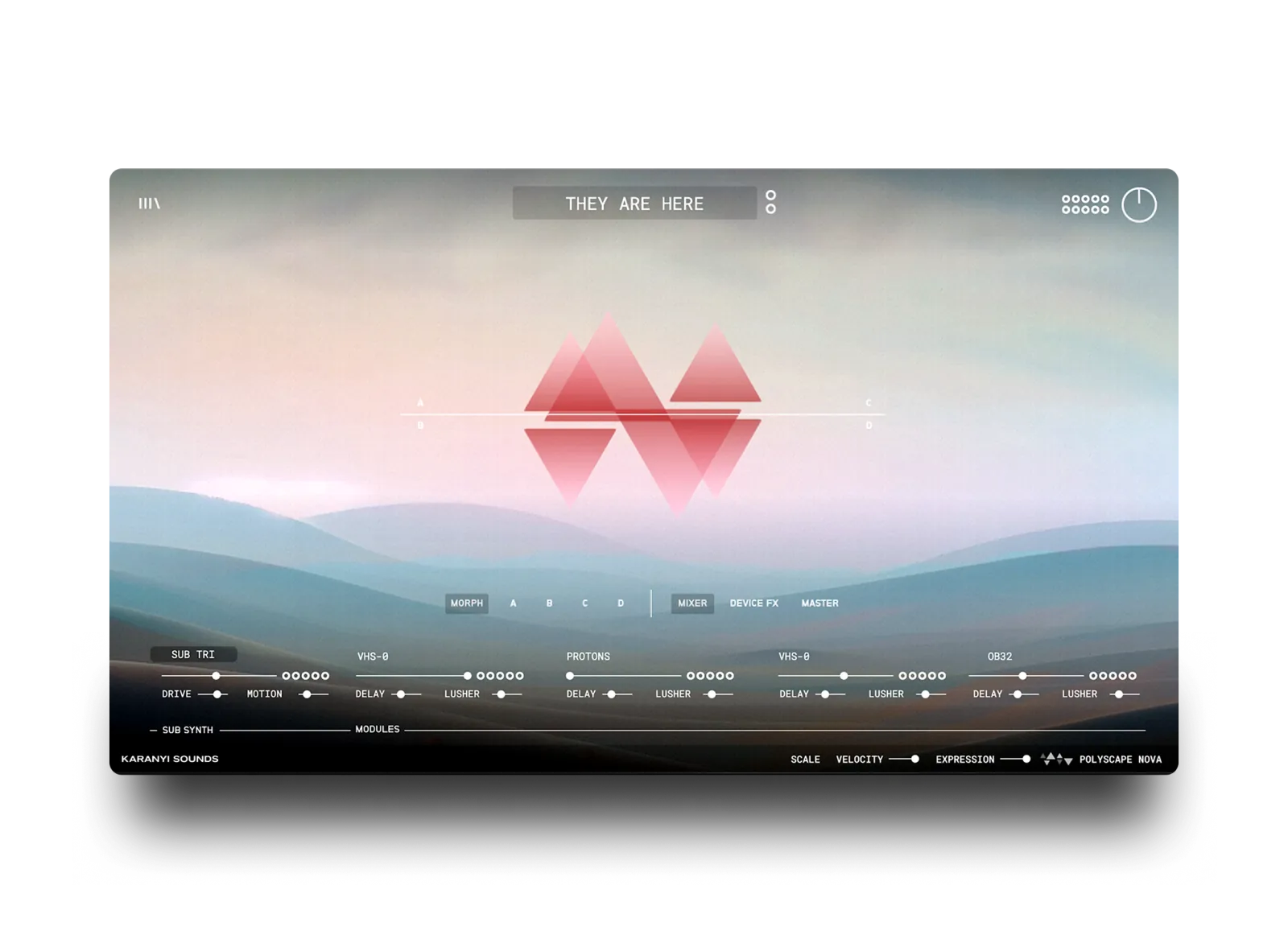
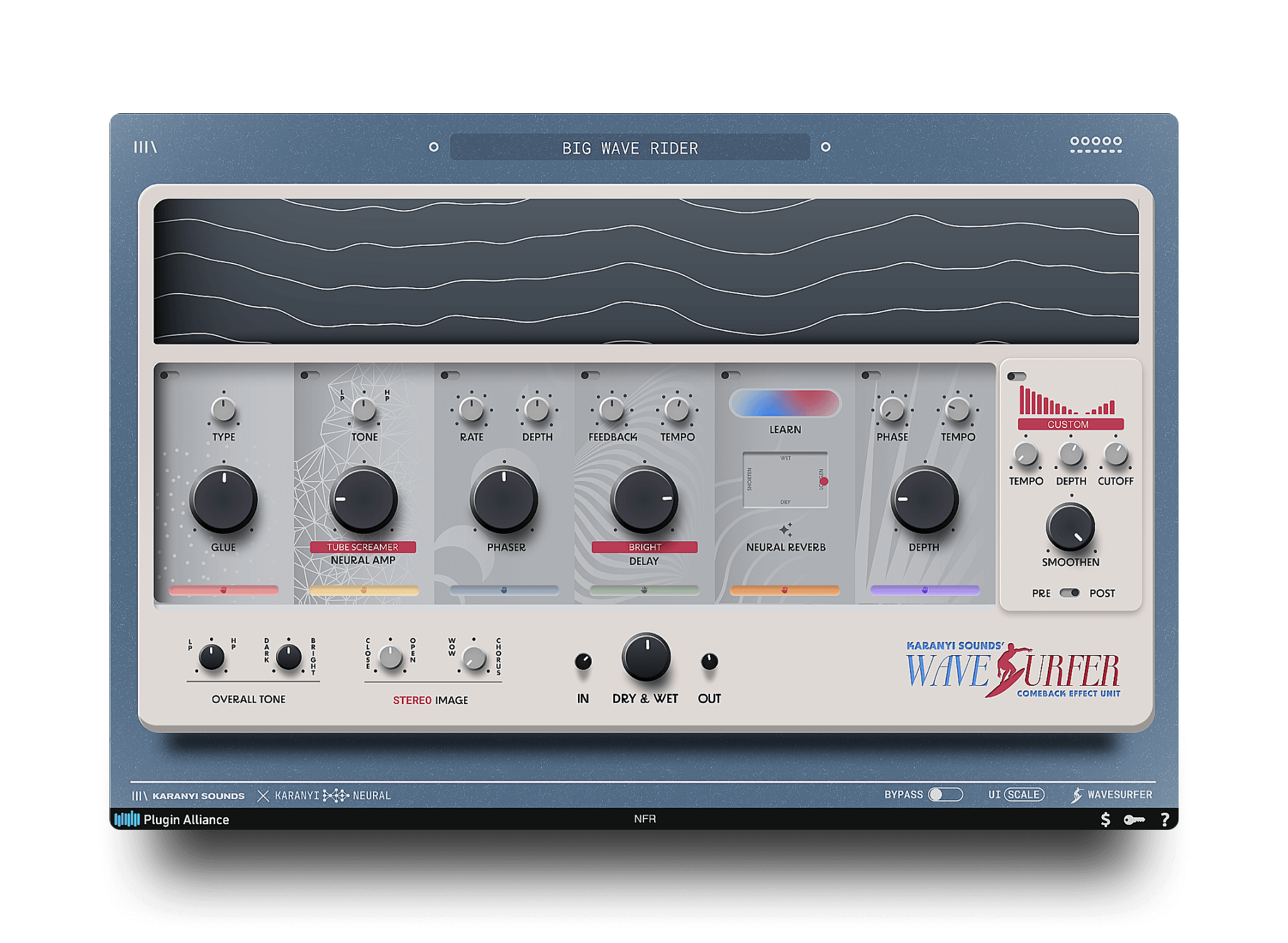
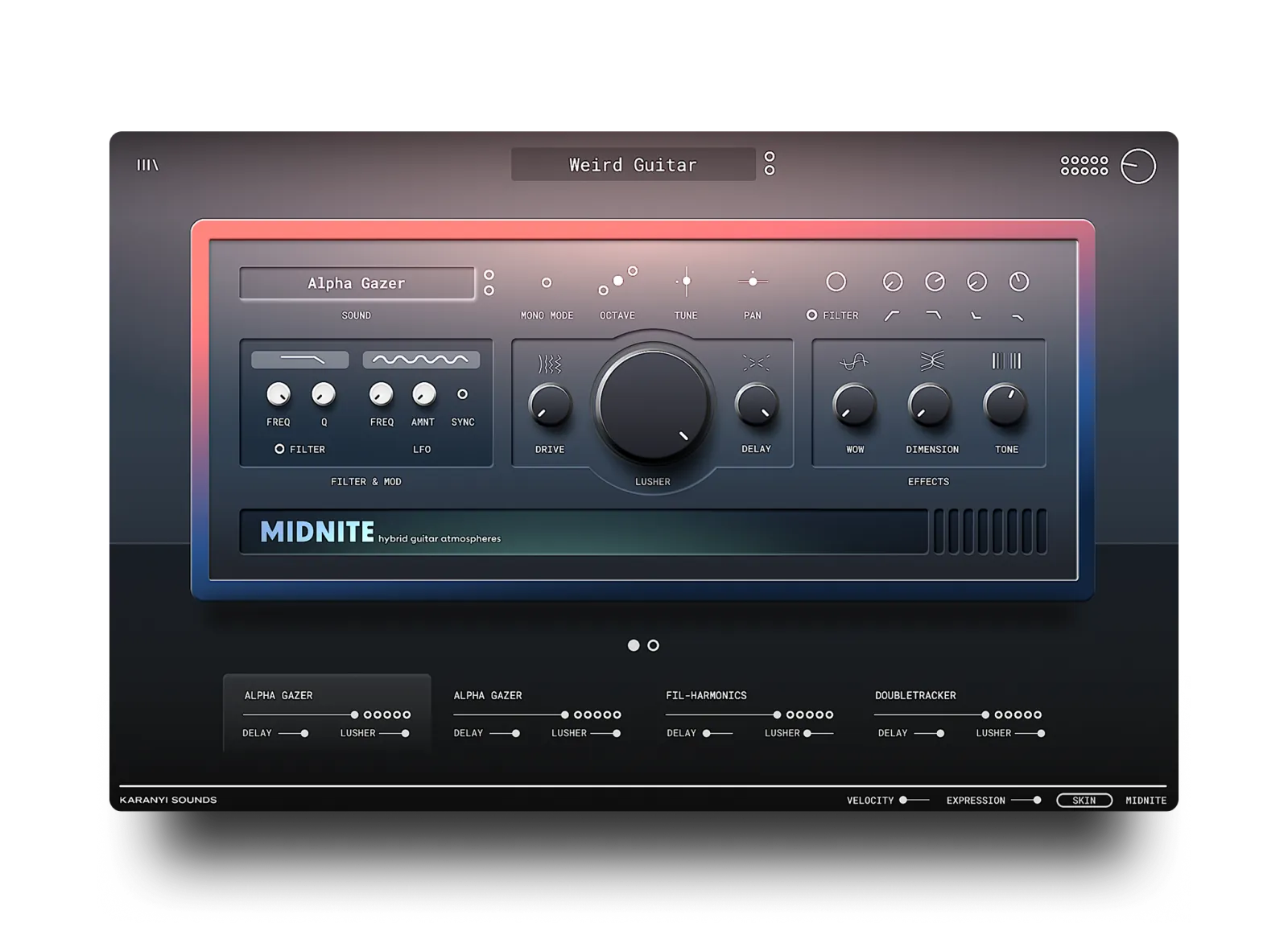
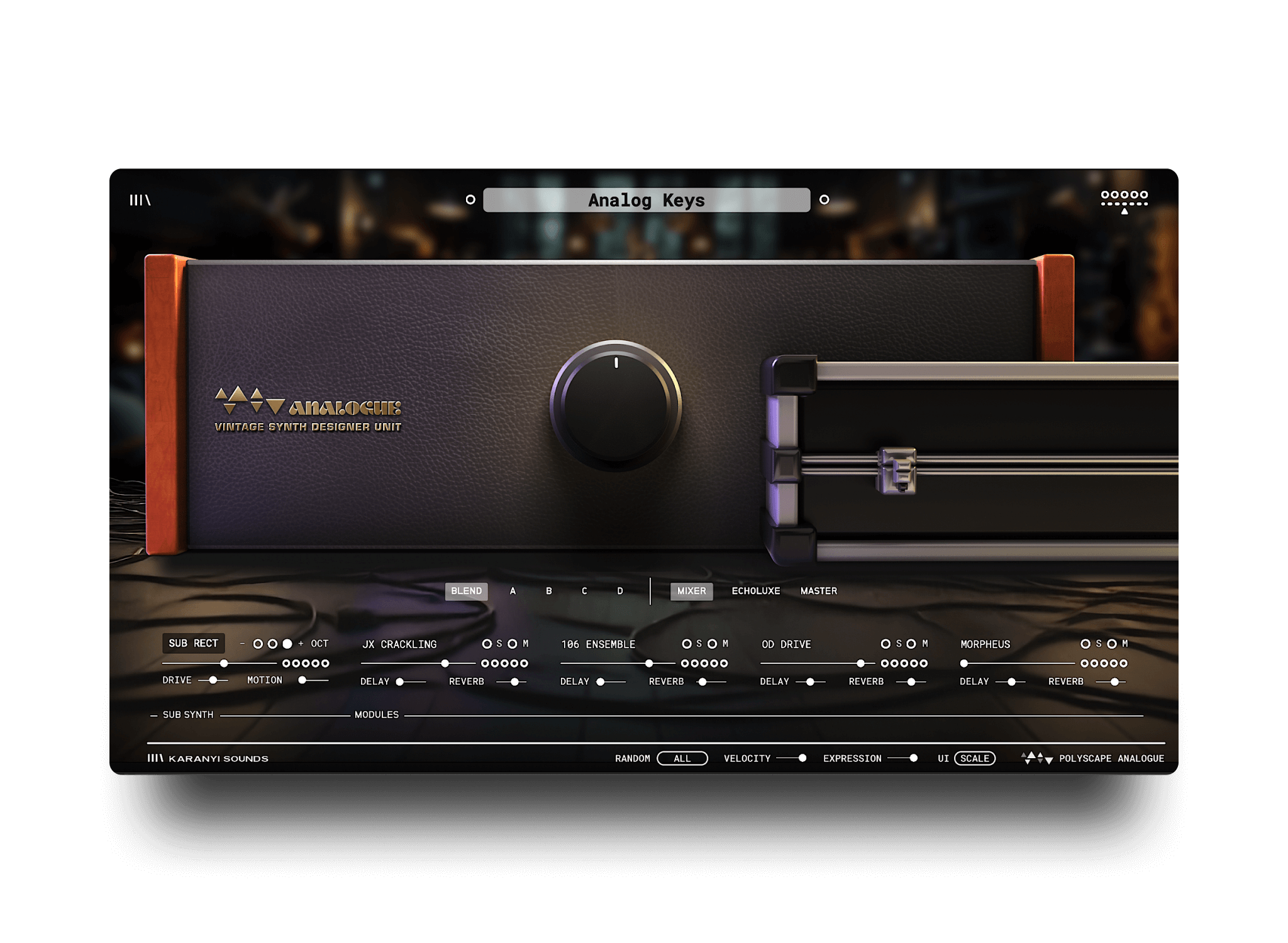
Full disclosure: this one is ours. Cinema Pro is a collection of 3 modern instruments for cinematic storytelling, from dark atmospheres and emotional textures to evocative tones, with 200+ artist presets. One of the 3 is Polyscape Nova, a hybrid string synthesizer that fuses string instruments with modern synthesis for evolving soundscapes, dynamic pads and rhythmic textures.
Who it is for: film, game and ambient composers who want a focused set of atmospheric instruments without Kontakt. Strength: the price-to-material ratio, and native plugins that load in any DAW. Limitation: these are sound-design instruments, not a realistic orchestral section, so a traditional string or brass line still needs a dedicated library. Price: $34 at the time of writing (list $149).
4. Output Signal
Output calls Signal a pulse engine, and that is exactly what it is good at: rhythmic, tempo-synced movement that turns a static chord into a ticking clock. It runs in Kontakt 5.8.1 or later.
Who it is for: composers who write tension through rhythm, the low pulse under a chase or a countdown. Strength: it makes motion fast, with the pulse locked to your tempo. Limitation: it is focused on pulses, so it will not replace a pad or drone instrument, and it wants at least 22 GB of drive space. Price: $199.
5. Output Analog Strings
Analog Strings blends orchestral string recordings with vintage synths and tape processing, and lets you balance the acoustic and processed layers. Output pitches it for pads, swells and evolving parts, and for the cue where the director wants something hybrid without obvious electronics up front.
Who it is for: composers who want strings that feel human but sit in a modern, slightly synthetic world. Strength: the acoustic/processed blend gives you a lot of range from one patch. Limitation: it runs in Kontakt, and it is not built for detailed, articulated string writing. Price: $199 standard (Output often runs sales).
6. u-he Zebra Legacy
Zebra Legacy is u-he's modular workhorse synth, and a new license now includes The Dark Zebra soundset with the ZebraHZ plugin. It suits composers who would rather program a sound than browse for one.
Who it is for: sound designers who want full control over dark, evolving synth tones. Strength: a deep synth engine at a low price. Limitation: you get the most out of it by programming, which takes time, and u-he does not offer an upgrade path from Zebra Legacy to the newer Zebra 3. Price: 99 € for a new license.
How to choose
If you want one deep instrument and have the budget, Omnisphere 3 covers the most ground. If you need finished pulses, risers and hits for a trailer this week, Gravity 2 is the fastest route. If rhythm is your tension tool, Signal earns its place. If you want hybrid strings, compare Analog Strings with Polyscape Nova inside Cinema Pro: the first runs in Kontakt, the second is a native plugin. And if you would rather build every sound yourself, Zebra Legacy is the cheapest way in.
Most working composers end up layering 2 of these: one for the bed (a pad or drone) and one for movement (a pulse or riser). For layering ideas, our walkthrough on crafting cinematic ambience and the guide to building evolving pads from string instruments go deeper.
Already working in Kontakt? We compared texture libraries in the best Kontakt soundscape libraries and larger packs in the best Kontakt bundles for film and ambient, including our Complete Kontakt Suite.
"The versatility and cinematic quality of Karanyi Sounds plugins reveal layers of emotion."
Adam Balazs, Composer (Academy Award Winner “Sing” & Academy Award-Nominated “On Body and Soul”)
FAQ
What is a cinematic instrument plugin?
It is a virtual instrument designed for scoring rather than for playing a realistic acoustic part: pads, drones, pulses, risers, hits and hybrid textures. Composers use them to build the mood under a scene, usually alongside or instead of an orchestral library.
Do I need Kontakt for these plugins?
Not for all of them. Gravity 2, Signal and Analog Strings run in Kontakt. Omnisphere 3, Zebra Legacy and Cinema Pro are native plugins that load directly in your DAW.
Which plugin is best for tension cues?
For rhythmic tension, Output Signal and the rhythmic pedals in Gravity 2 are the most direct. For slow-building unease, use an atonal texture or a dark evolving pad from Omnisphere 3 or Cinema Pro, and add movement on top.
Can these replace an orchestral library?
No. They are built for atmosphere and texture. If a cue needs a realistic string melody or a brass line, you still need an orchestral library. These instruments sit underneath and around it.
What is the cheapest way to start?
Among the paid options here, Cinema Pro and Zebra Legacy have the lowest entry prices. Cinema Pro gives you 3 ready instruments with presets, Zebra Legacy gives you one deep synth to program yourself.
Want dark atmospheres and emotional textures without loading Kontakt? Take a look at Cinema Pro.

Leave a comment
This site is protected by hCaptcha and the hCaptcha Privacy Policy and Terms of Service apply.