
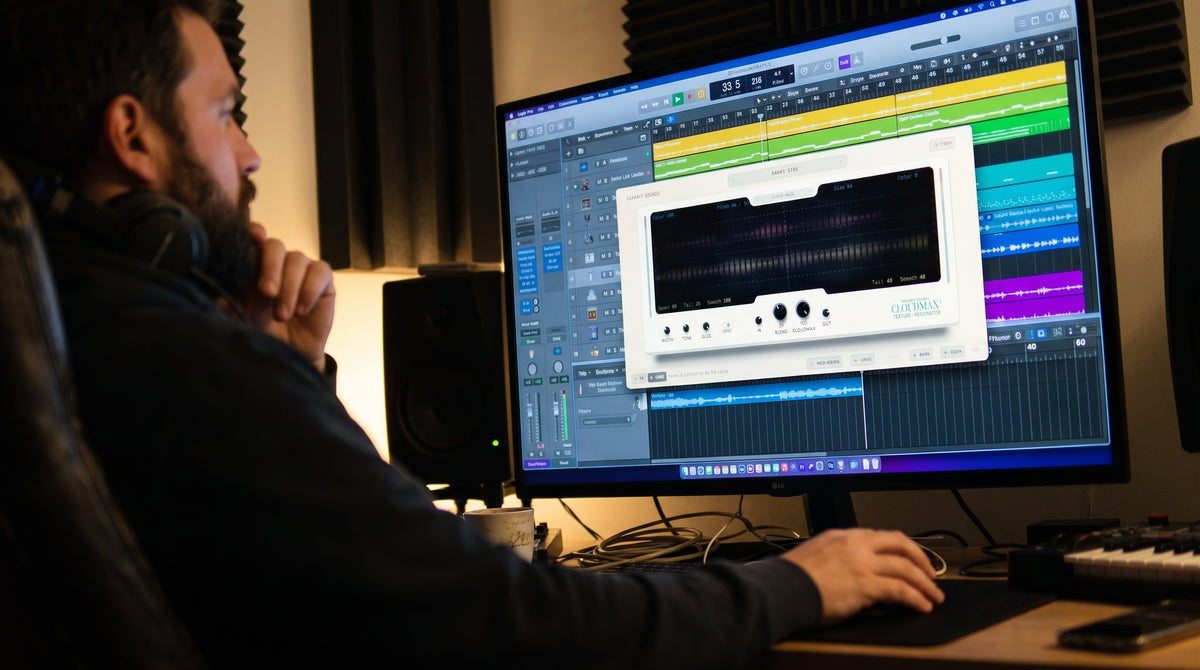
A granular delay cuts incoming audio into tiny grains and replays them as rhythmic, pitched or smeared repeats. A reverb blends reflections into one continuous wash of space. Reach for reverb when you want a sound to sit in a room, and for granular delay when you want it to move, shimmer or turn into a texture.
What is the difference between a granular delay and a reverb?
A reverb simulates reflections that pile up and fade, so you hear one smooth tail. A granular delay captures small slices of the signal and re-triggers them, often with changes in pitch, position and density. You hear patterns and layers instead of a tail. Granular effects are closer to sound design, while reverb is closer to placing a sound in a space.
Is a granular delay just a weird reverb?
No, although the two can overlap. At high density and long grain lengths, a granular effect can sound like a reverb tail. Most of the time it behaves differently: grains can repeat in a rhythm, jump in pitch or freeze a moment of the source. A reverb tail only decays. If you want repeats you can feel in the groove, that is a delay-style job.
When should I use reverb?
Use reverb to add depth and a sense of place: vocals, snares, pianos, pads. It glues elements together because they share one space. Put it on a send, not on every channel, and filter the low end of the return so the mix stays clear. Reverb is also the safer choice when the part needs to stay natural.
When should I use a granular delay?
Use it when the source needs motion or character: a drum loop that should become a pad, a vocal phrase that should trail off into shimmer, a guitar that should turn into an ambient layer. It works well on sparse parts, because the grains need space to be heard. Ambient, cinematic and lofi productions use it a lot for exactly this reason.
Can I use both on the same sound?
Yes, and it often works better than either alone. A common order is granular delay first, then a reverb after it, so the grains melt into a shared space. Keep the wet signal of both on sends, high-pass the returns and check the mix in mono. If the track gets cloudy, reduce the reverb first, not the granular layer.
Which one works better on vocals?
A short, subtle reverb keeps a vocal natural and present. A granular delay is better for accents: the last word of a line, a phrase before the chorus, a throw into a breakdown. Automate it in and out instead of leaving it on all the time, so the lyrics stay clear. For more on layering textures, see Crafting Cinematic Ambience.
What does Cloudmax 3 do?
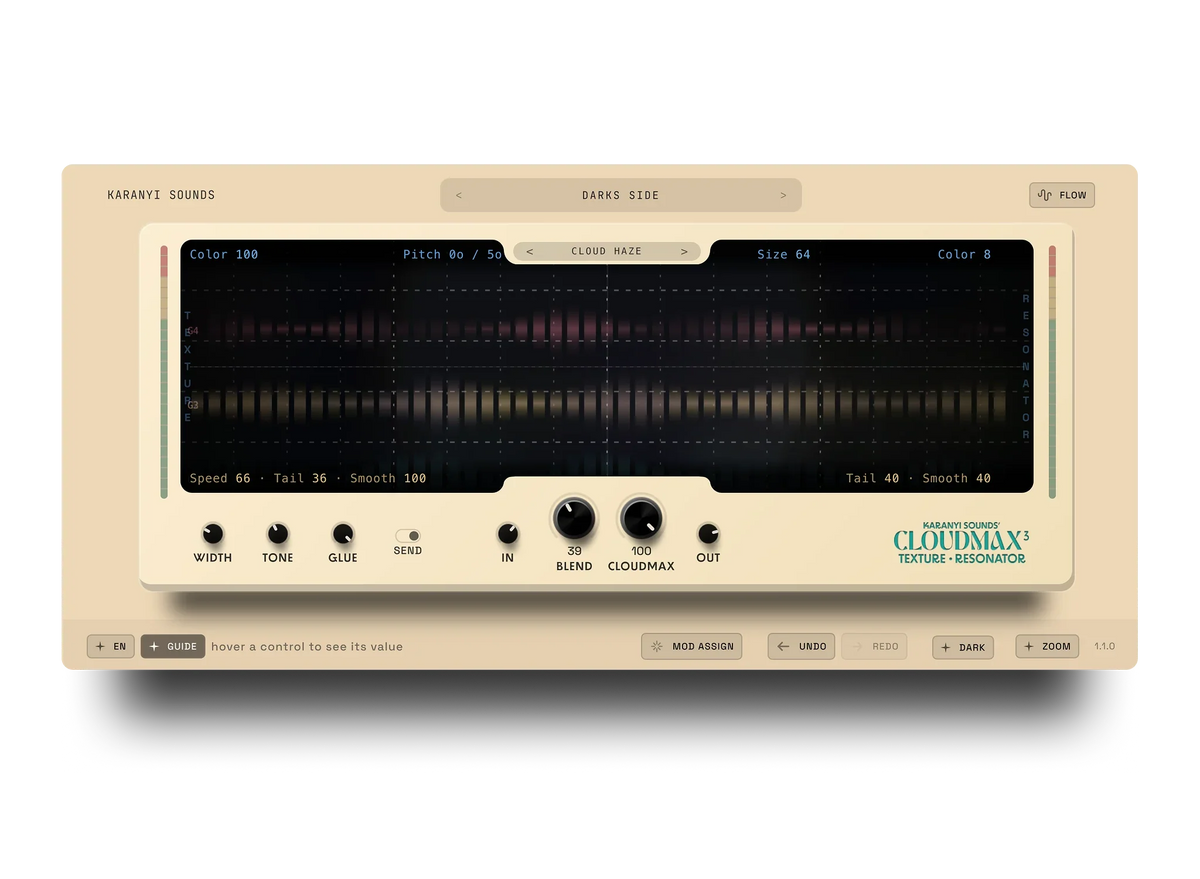
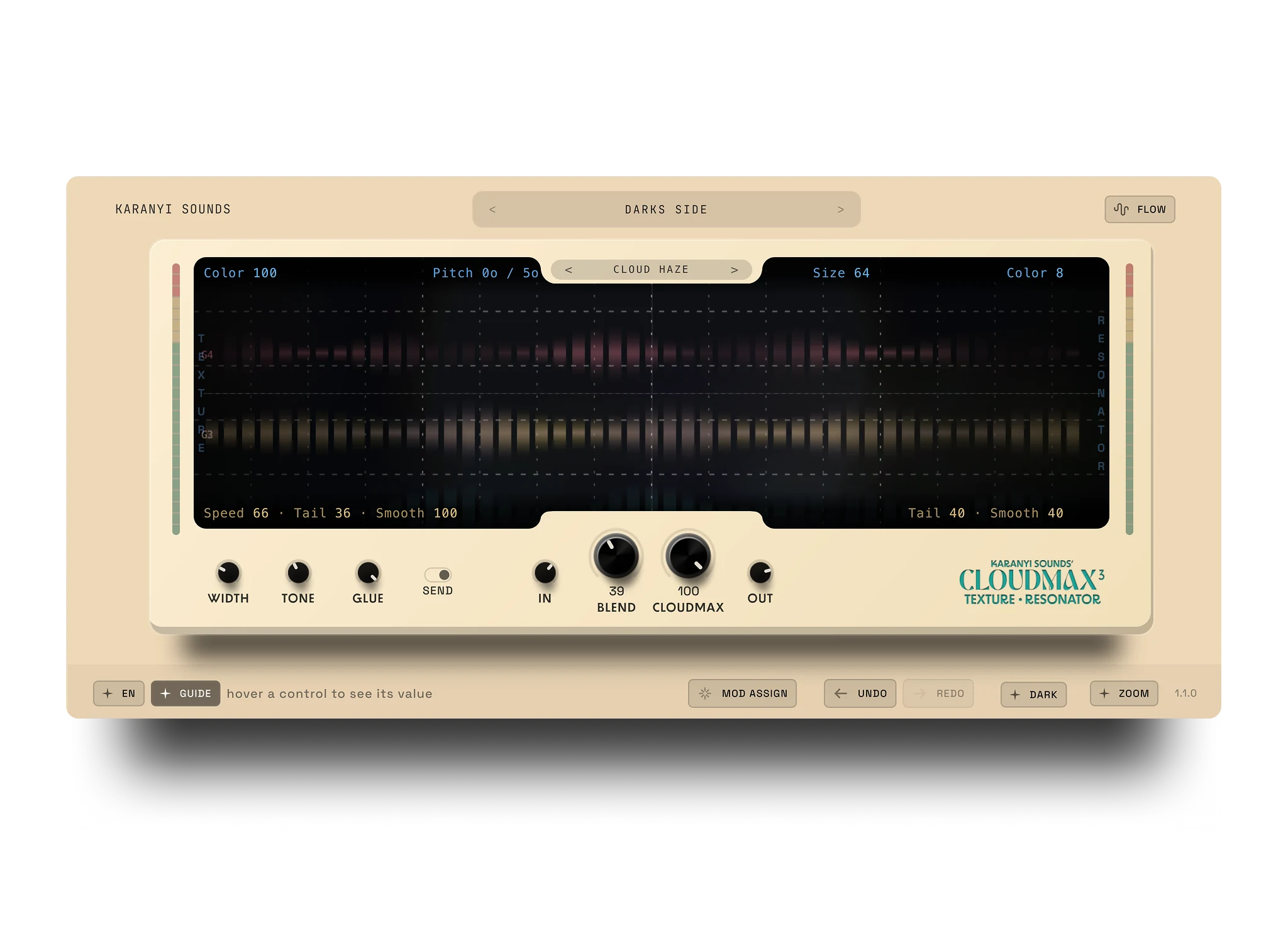
Cloudmax 3 is a texture resonator plugin that turns any audio into rhythmic patterns, harmonic layers and musical textures. Its core runs 4 parallel grain engines for shimmer, stretch and smear. It comes as VST3 and Audio Unit (Mac) and starts at $59. The 7-day trial has full functionality and needs no credit card.
Where to go next
If grains are still a vague idea, What Is Granular Synthesis? explains the basics in plain terms. For a worked example of building layers from acoustic sources, read How to Build Evolving Pads from String Instruments. Then load a loop into Cloudmax 3 and compare it against your favorite reverb on the same part.


Leave a comment
This site is protected by hCaptcha and the hCaptcha Privacy Policy and Terms of Service apply.