
Shimmer reverb is a reverb with a pitch-shifted feedback loop, so the tail glows upward in a smooth, airy way. Granular reverb-style processing chops the sound into tiny grains and rearranges them, so the tail moves, smears and gets textured. For ambient, pick shimmer for a clean, heavenly bloom and granular when you want the space itself to feel alive.
How shimmer reverb works
A shimmer reverb puts a pitch shifter in the reverb's feedback path. Every pass through the tail is pushed up (often an octave), so the decay gets brighter and more harmonic the longer it rings. The result is smooth, because the underlying reverb is smooth. It sounds like a pad that grows out of your note.
What to listen for: a bright halo that follows the pitch of what you played. It works best on sustained, simple material like single notes, pads, slow chords and clean vocals.
How granular processing works
A granular engine cuts audio into very short grains and plays them back with changes in position, pitch, density and timing. Used as a reverb-like effect, this does not just prolong the sound, it re-composes it. You get shimmer-like pitched layers, but also stretch, smear and rhythmic flutter, and the tail can sound grainy or glitchy rather than polished.
What to listen for: texture and motion inside the tail. Short, percussive input turns into pulses and clouds, which is why granular tools shine on loops, drums, guitars and vocals you want to transform. For a deeper definition, see what granular synthesis actually is.
Granular vs shimmer reverb at a glance
| Shimmer reverb | Granular | |
|---|---|---|
| Core idea | Reverb with a pitch-shifted feedback loop | Audio cut into grains and rearranged |
| Character | Smooth, bright, harmonic | Textured, moving, sometimes glitchy |
| Best source | Pads, sustained notes, clean vocals | Loops, drums, guitars, any audio you want to reshape |
| Risk | Can get sugary or harsh in the top end | Can get messy and wash out the groove |
Choose shimmer if
- You want a classic ambient bloom behind a pad or a sparse piano line.
- The part is slow and the track needs polish, not movement.
- You want the effect to stay clearly tonal and predictable.
Choose granular if
- The source is a drum loop, guitar or vocal you want to turn into a texture.
- You want rhythm or pulse inside the tail, not just length.
- You are building the atmosphere itself, not just placing the sound in a room.
Where Cloudmax 3 and Poly Space fit
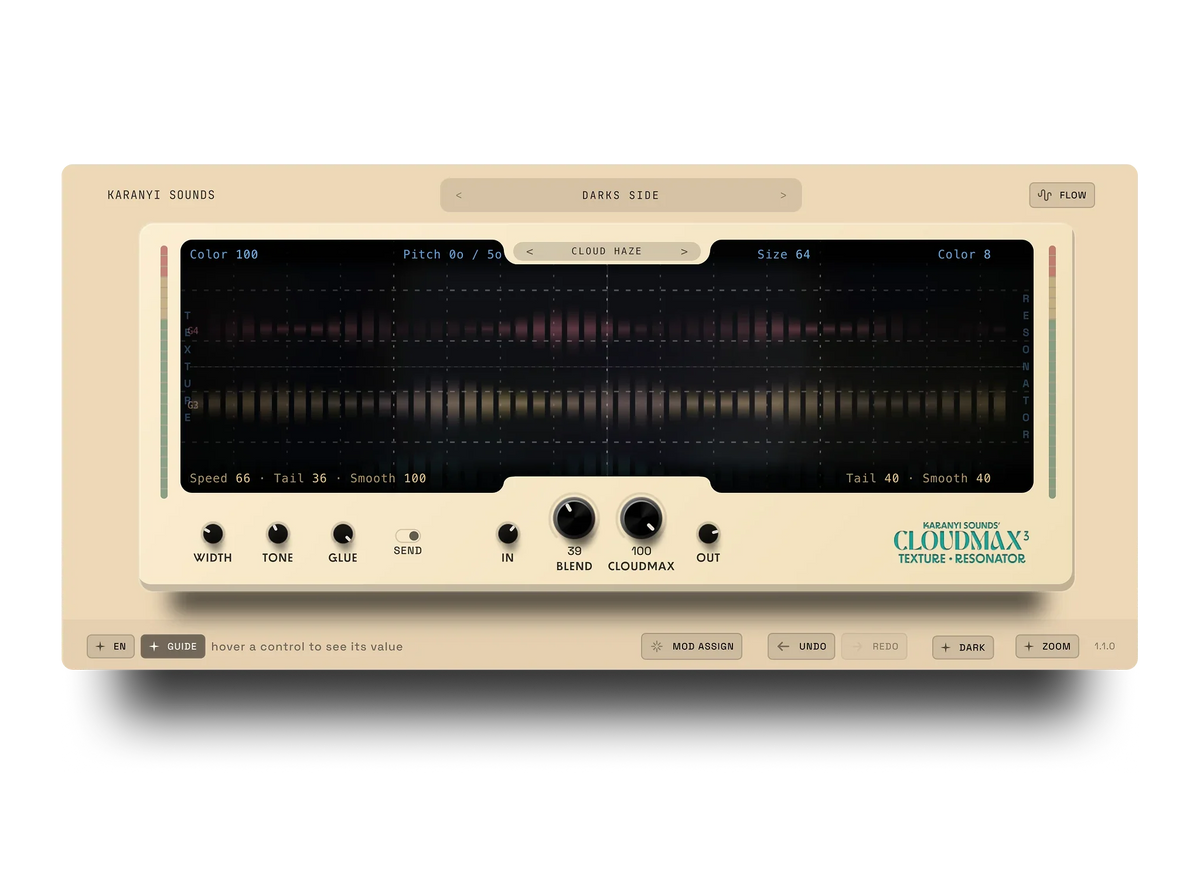
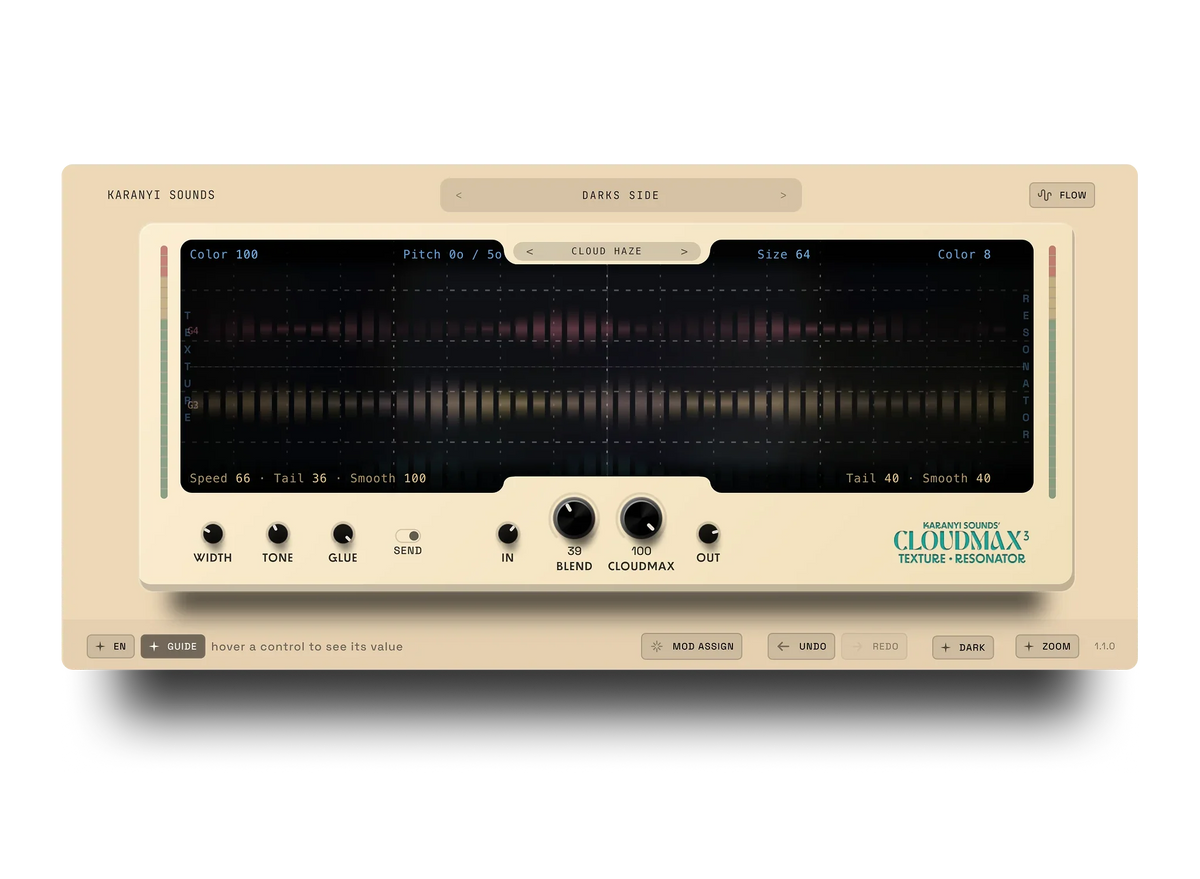
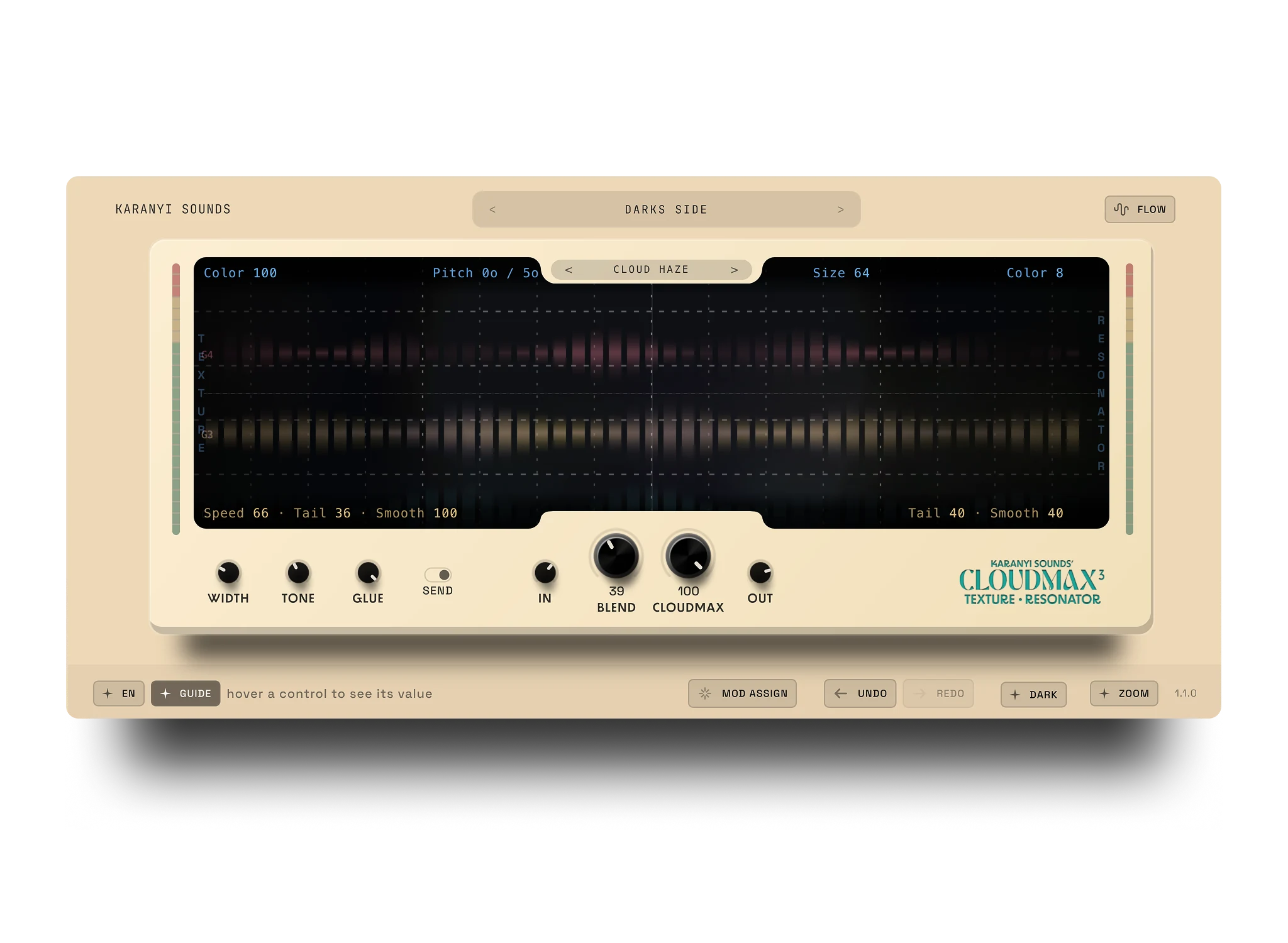
Cloudmax 3 is a texture resonator with a 4-engine granular core: four parallel grain engines for shimmer, stretch and smear. It turns any audio into rhythmic patterns, harmonic layers and musical textures. It is a creative transformation tool, not a transparent mix reverb, and it comes as VST3 and AU only (no AAX). It starts at $59 and has a 7-day full trial with no credit card.
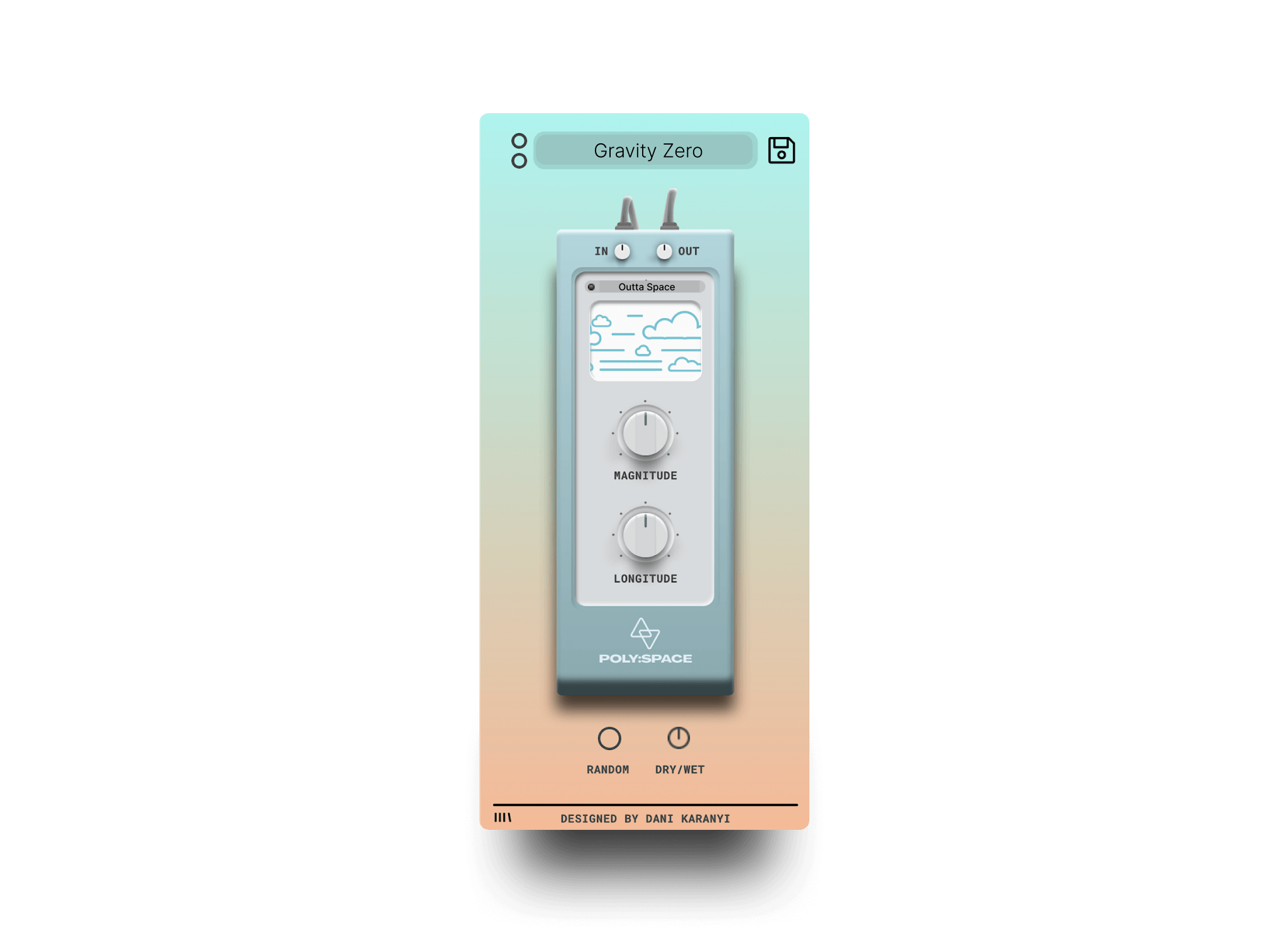
Poly Space is the other direction: an ambient reverb with 50+ space combinations of sampled vintage hardware and algorithmic reverbs, and two main controls, Magnitude (gentle to epic) and Longitude (longer, smoother tails). It is built for big, lush spaces, not small realistic rooms, and it starts at $49. If you want a deep, smooth ambient space, start there. If you want the sound to morph, start with Cloudmax 3.
A simple way to use both
- Put the dry part on its own track and keep it clear in the low mids.
- Send it to an ambient reverb for depth, with a low cut on the return so the tail does not blur the bass. More on that in how to use big ambient reverb without a muddy mix.
- Send a copy to a granular effect on a second return, and blend it in under the reverb until you just notice it.
- Automate the granular send up in the breakdown and pull it back when the drums return.
If you are also comparing delay-based options, read granular delay vs reverb.
FAQ
Is shimmer reverb the same as granular reverb?
No. Shimmer adds a pitch shift to a reverb's feedback, which gives a smooth upward glow. Granular processing cuts audio into grains, which gives more texture and movement.
Which is better for ambient music?
Neither is better in general. Shimmer suits pads and sustained notes that need a clean bloom. Granular suits sources you want to transform into evolving textures.
Can I use both on the same track?
Yes. Use a reverb for the space and a granular effect on a separate send for texture, then keep the granular layer lower in the mix.
Will granular effects muddy my mix?
They can. Cut the lows on the wet signal, use a send instead of an insert, and automate the amount per section.
Is Cloudmax 3 a reverb?
No. It is a granular texture resonator. It can create shimmer, stretch and smear, but it is not meant as a transparent mix reverb.
Want to hear the granular side on your own material? Try Cloudmax 3 free for 7 days, no credit card needed.



Leave a comment
This site is protected by hCaptcha and the hCaptcha Privacy Policy and Terms of Service apply.